


There are days when caring for health feels like another task on a long list. We wake to notifications, plans, and quiet worries before our feet even touch the floor. In that noise, it is easy to forget that health does not always ask for effort or discipline. Sometimes it asks for softness. A slower pace. A moment of listening. Thinking about gut health and immunity through this lens can feel deeply comforting. It becomes less about fixing and more about tending. Like watering a plant in the morning light or opening a window for fresh air, small choices begin to support us gently. When we approach gut health with patience, it starts to feel like part of daily living rather than another demand on our time.
Gut health and immunity as quiet companions in daily life
Gut health and immunity are often spoken about in scientific terms, yet in everyday life they show up quietly. They are present in how steady we feel during the day, how our energy carries us through an afternoon, or how quickly we recover from a restless night. The gut microbiome, with its vast community of tiny organisms, responds to rhythm and routine. It seems to prefer consistency over extremes. Regular meals, calm mornings, and a sense of ease can help create an inner environment that feels supported. Immunity follows this same gentle pattern, rising and resting with the body as we move through familiar days.
Mornings that begin with softness and awareness
Morning has its own texture. Light moves slowly across the room, and the air still feels untouched. This is a natural moment to support gut health without effort. A glass of water resting on the bedside table becomes a small act of care. It signals waking and hydration without rush. Quiet mornings allow the digestive system to ease into the day rather than being startled awake. When mornings feel calm, gut health and immunity feel less reactive. The body seems to respond with steadiness, appreciating the lack of urgency and the sense of being gently guided into movement.
The role of mindful meals in gut health foods
Meals do not need to be perfect to be supportive. Gut health foods often look simple and familiar. A warm bowl, soft textures, natural colors on a plate. Eating slowly gives the gut time to respond. It allows the body to notice when it feels satisfied rather than rushed. Sitting near a window or at a clean table adds to this sense of presence. Over time, these small pauses can help the gut microbiome feel balanced. Immunity benefits as well, since the body digests and absorbs nutrients more calmly when meals are treated as moments rather than interruptions.
Gentle movement and the feeling of flow
Movement does not have to be intense to support gut health and immunity. A short walk as the day warms, a stretch between tasks, or light movement that follows the breath can be enough. Gentle movement supports digestion by encouraging circulation and easing tension. It also reduces stress, which plays a quiet but important role in gut balance. When movement feels enjoyable rather than forced, the body responds with openness. The gut microbiome seems to appreciate this flow, responding to the rhythm of motion and rest rather than strain or pressure.
Understanding the gut microbiome through everyday experience
The gut microbiome is often described as complex, yet its needs feel surprisingly simple. It thrives on consistency, variety, and calm. Just as a garden grows best with regular care rather than sudden attention, the gut responds to daily habits more than occasional efforts. Regular meals, sleep that follows a pattern, and moments of calm allow the microbiome to settle. Gut health and immunity become reflections of this steady care. Over time, the body begins to feel more predictable, less reactive, and more in tune with its surroundings.
Sleep as a quiet foundation for immunity
Sleep arrives softly when invited. Dimming lights in the evening, setting aside screens, and creating a familiar routine can support both gut health and immunity. During rest, the body repairs and balances itself. The gut continues its work, processing and restoring. Immunity also finds space to strengthen. When sleep feels protected rather than postponed, mornings tend to feel lighter. Even if the night is not perfect, the act of honoring rest sends a message of care. This message seems to echo through digestion, energy, and emotional steadiness.
Stress easing rituals and digestive comfort
Stress often shows up in the gut before we notice it elsewhere. A tight schedule, unresolved thoughts, or constant noise can disrupt digestion. Small rituals can help. A pause between tasks. A few slow breaths while waiting for water to boil. An evening walk as the air cools. These moments ease the nervous system, which in turn supports gut health. When stress softens, immunity feels less burdened. The body seems better able to respond to daily challenges when it is not carrying unnecessary tension.
Probiotics for gut health in a gentle context
Probiotics for gut health are often discussed as supplements, but they also represent a broader idea of balance. Fermented foods enjoyed slowly, familiar flavors that feel comforting, and routines that include them naturally can support the gut microbiome. The key lies in consistency rather than intensity. When probiotics are introduced as part of a calm routine, the gut responds more smoothly. Immunity benefits from this steady support, as the digestive system remains engaged without feeling overwhelmed.
Hydration as a quiet form of nourishment
Water is often overlooked because it feels ordinary. Yet hydration plays a subtle role in gut health and immunity. Sipping water throughout the day supports digestion and helps nutrients move through the body with ease. A cup of warm tea in the afternoon or water beside the bed at night becomes a form of gentle care. Hydration supports the gut lining and keeps processes flowing. When hydration is approached with awareness rather than obligation, it becomes another quiet ritual woven into daily life.
Listening to the body through subtle signals
The body often speaks softly. A feeling of ease after a meal. A sense of heaviness during stressful days. Paying attention to these signals can guide gut health without strict rules. Gut health and immunity respond well to curiosity rather than control. Noticing how certain routines feel over time allows adjustments to happen naturally. This listening builds trust. The body feels seen and supported, and digestion becomes less of a mystery and more of a conversation.
The idea of leaky gut syndrome in everyday language
Leaky gut syndrome is a term that can sound alarming, yet it reflects a simple idea of balance and boundaries. When the gut lining feels stressed, the body may respond with discomfort or fatigue. Gentle habits can help restore a sense of containment. Regular meals, stress easing routines, and adequate rest support the gut barrier over time. Approaching this topic without fear allows gut health and immunity to improve quietly, through patience rather than urgency.
Seasonal rhythms and digestive harmony
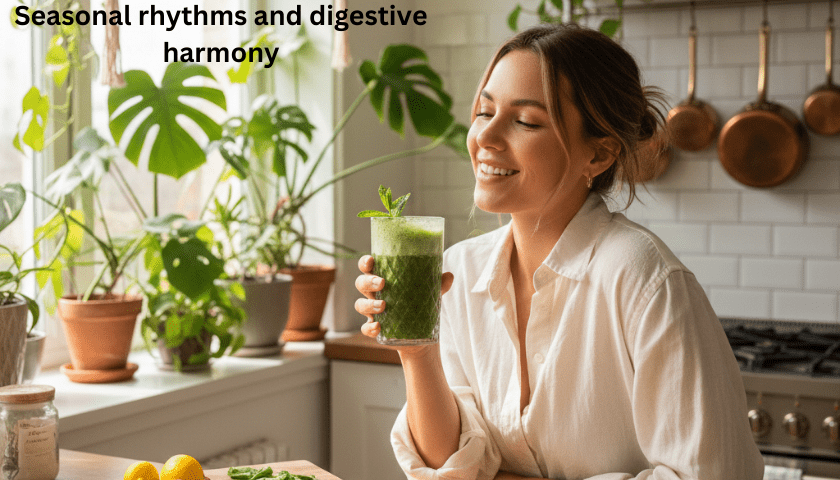
The body often responds to seasons even when we do not notice. Cooler months invite warmer foods and earlier evenings. Warmer days encourage lighter meals and more movement. Aligning routines with seasonal changes can support the gut microbiome. Immunity also benefits when the body feels in sync with its environment. Seasonal awareness adds another layer of gentleness to gut health, reminding us that balance shifts naturally and does not need to be forced.
Emotional comfort and its effect on digestion
Emotions live in the body, and the gut often reflects them. Comforting routines, familiar foods, and calming environments can ease digestion during emotionally heavy times. Gut health and immunity do not exist separately from feelings. Creating spaces that feel safe and welcoming allows the body to relax. When emotional comfort is prioritized, digestion often becomes smoother, and the immune response feels steadier. This connection reminds us that wellness includes tenderness toward emotional states.
The place of routine without rigidity
Routine can be supportive when it feels flexible. Eating around similar times, moving daily, and resting in the evening create predictability for the gut. Yet rigidity can add stress. Gut health foods enjoyed with variety, movement chosen by mood, and rest adjusted to need allow immunity to adapt. The balance lies in gentle structure. When routines feel like support rather than rules, the body responds with cooperation rather than resistance.
Quiet afternoons and digestive balance
Afternoons often carry a dip in energy. Instead of pushing through, allowing a pause can support gut health. A light snack, a short walk, or a moment of stillness can reset digestion. These small choices prevent stress from building and affecting the gut microbiome. Immunity benefits as the body is not constantly in a state of alert. Quiet afternoons become a bridge between morning activity and evening rest, offering balance to the day.
Gut health test kit as a tool for awareness
A gut health test kit can be viewed as a source of information rather than judgment. For some, it offers insight into patterns that were already sensed. When used with curiosity, it can support a deeper understanding of the gut microbiome. This awareness can guide gentle changes rather than strict plans. Gut health and immunity improve when information is integrated calmly, respecting the body’s pace and individuality.
Creating a calming eating environment
The environment where we eat influences digestion more than we realize. Soft light, minimal distractions, and a sense of ease allow the gut to function smoothly. Eating in a rush or while multitasking can disrupt this process. Creating a calming eating space does not require effort. Clearing the table, sitting comfortably, and taking a breath before beginning can change how the body responds. Over time, these small adjustments support gut health and immunity naturally.
Social connection and shared meals
Sharing meals with others adds a layer of comfort that supports digestion. Conversation slows eating, and laughter eases tension. Gut health foods enjoyed in company often feel more nourishing. Immunity also benefits from social connection, as the nervous system relaxes. Even simple meals shared quietly can create a sense of belonging. This emotional nourishment complements physical nourishment, supporting the body as a whole.
Evenings that allow the body to settle
Evenings set the tone for rest. Gentle lighting, familiar routines, and calming activities help the gut slow down. Heavy meals late at night or constant stimulation can interfere with digestion and immunity. Allowing the body time to settle before sleep supports the gut microbiome. A warm drink, a book, or soft music can signal that the day is winding down. These cues help the body transition into repair and restoration.
Patience as a guiding principle
Gut health and immunity respond slowly. Changes often appear subtly rather than suddenly. Patience allows these shifts to unfold without pressure. Trusting the process reduces stress, which in itself supports digestion. When patience becomes part of daily living, wellness feels sustainable. The body seems to respond with quiet resilience, appreciating the lack of urgency and the presence of care.
Creativity in daily wellness rituals
Wellness does not need to follow a template. Creativity allows routines to feel personal. Trying new gut health foods, adjusting meal timing, or exploring different forms of gentle movement keeps the process engaging. Creativity invites curiosity rather than judgment. Immunity benefits when the body feels supported rather than constrained. These small explorations add warmth to daily living, making gut health a living practice rather than a fixed plan.
Nature as a calming influence
Time spent outdoors often brings immediate relief. Fresh air, natural light, and gentle movement support digestion and immunity. Nature reduces stress, which directly affects the gut microbiome. Even brief moments outside can reset the nervous system. Watching leaves move or feeling sunlight on the skin adds sensory comfort. These experiences ground the body, reminding it of rhythm and balance beyond schedules and screens.
Read Also- Improvement tips for better wellness
Balancing information with intuition
Information about gut health is abundant, yet intuition remains important. Listening to how the body feels after certain routines guides choices more gently than constant research. Gut health and immunity improve when information supports intuition rather than overrides it. This balance allows wellness to feel integrated into life rather than imposed. Over time, confidence grows, and the body feels more familiar.
Adapting routines during busy periods
Life does not always allow for ideal routines. During busy or stressful times, simplicity becomes valuable. Familiar foods, basic hydration, and moments of rest can maintain gut health even when schedules change. Immunity benefits from this steadiness. Accepting imperfect days reduces stress, which supports digestion. Flexibility allows routines to bend without breaking, keeping wellness accessible.
Honoring rest without guilt
Rest is often undervalued, yet it supports gut health and immunity deeply. Taking a break when tired allows the body to recover. Guilt free rest sends a message of safety. The gut responds by settling, and immunity finds space to strengthen. Rest can be as simple as sitting quietly or closing the eyes for a few moments. These pauses add up, creating a foundation of care.
Noticing progress through feeling rather than measurement
Progress in gut health often appears as subtle changes. Feeling more comfortable after meals. Experiencing steadier energy. Sleeping more soundly. These signs are easy to overlook when focused on metrics. Paying attention to feeling allows progress to be acknowledged gently. Gut health and immunity thrive when success is defined by comfort and ease rather than numbers.
Cultivating kindness toward the body
Kindness changes how wellness is experienced. Speaking to the body with respect, allowing mistakes, and celebrating small comforts support digestion. Gut health foods chosen with care, rest taken without apology, and routines adjusted with compassion create a supportive environment. Immunity benefits from this kindness, as stress diminishes and balance returns. The body responds to how it is treated, often more than to what it is given.
Embracing slow living as a wellness foundation
Slow living aligns naturally with gut health and immunity. It values presence over productivity and care over control. Slower mornings, mindful meals, and restful evenings create a rhythm the body understands. The gut microbiome responds to this consistency with stability. Immunity follows, strengthened by reduced stress and increased awareness. Slow living does not require less ambition, only a different measure of success.
Finding comfort in familiar routines
Familiarity offers safety. Returning to trusted meals, favorite walks, or calming evening habits supports digestion. The body recognizes these patterns and responds with ease. Gut health and immunity benefit from this sense of predictability. Comfort does not mean stagnation. It means having a base to return to when experimenting or adjusting routines.
Allowing wellness to evolve naturally
Wellness is not static. Needs change with age, season, and circumstance. Allowing gut health routines to evolve prevents frustration. Listening to new signals and adjusting gently keeps immunity supported. This adaptability reflects respect for the body’s wisdom. When wellness is allowed to grow naturally, it remains sustainable and aligned with real life.
A gentle closing thought on everyday balance
Caring for gut health and immunity does not need to feel heavy or demanding. It can be woven into ordinary days through small comforts and thoughtful pauses. A glass of water in the morning light. A calm meal enjoyed without rush. A walk as evening settles. These moments add up quietly, creating balance over time. When health is approached with patience and kindness, it becomes less about improvement and more about relationship. The body responds to this care with steadiness, reminding us that wellness often lives in the simplest parts of daily life.

Home Healthy Remedy — trusted natural remedies, honest product reviews, and simple wellness tips for skin, eyes, teeth, and overall health.