
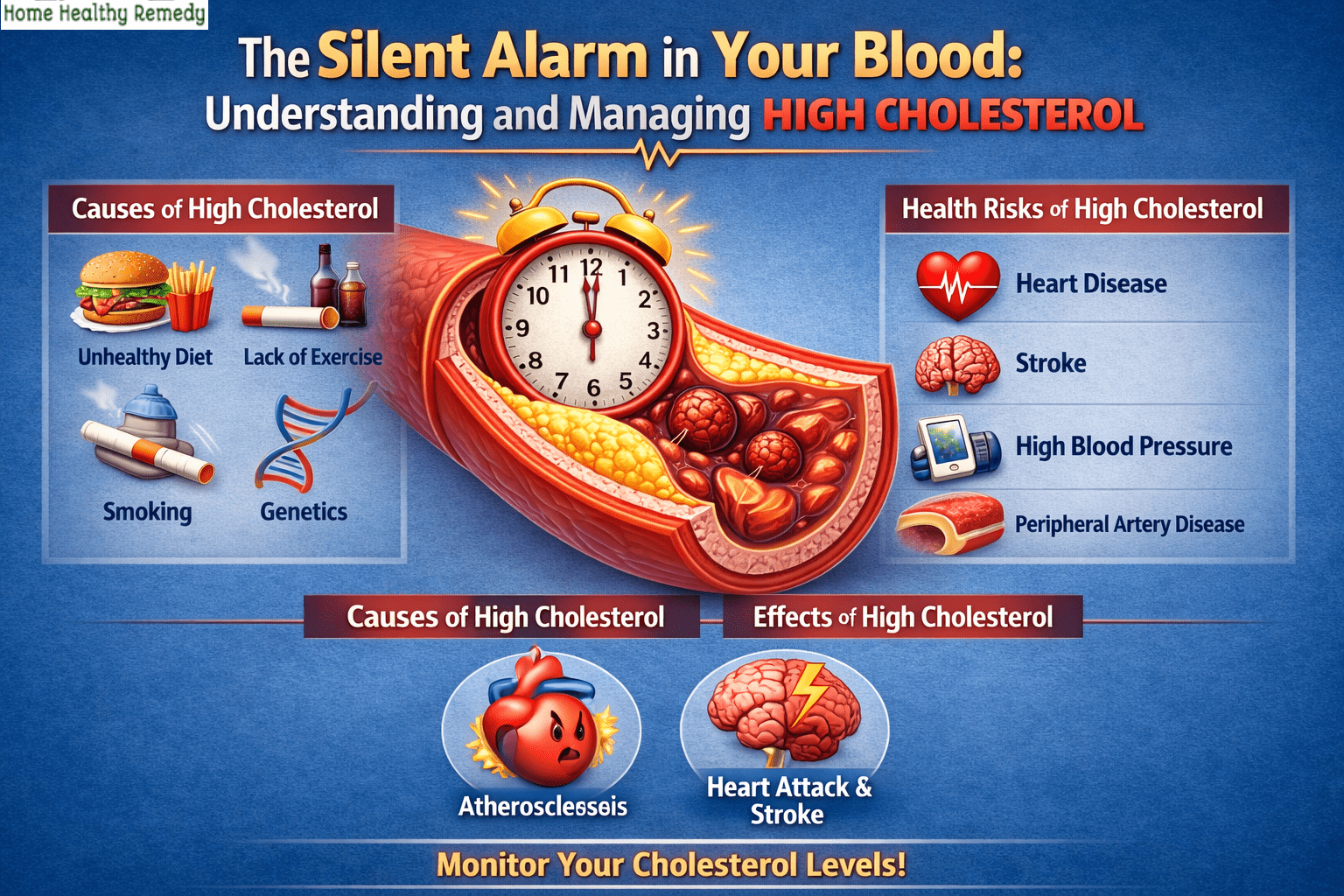
In today’s fast-paced lifestyle, many people unknowingly ignore their heart health—especially when the body shows no clear warning signs. High cholesterol is one of those silent threats that slowly damages your arteries without causing pain or discomfort. You may feel perfectly fine, yet inside your body, cholesterol can quietly build up and increase the risk of heart attacks, strokes, and poor blood circulation. The good news is that high cholesterol is manageable. With the right knowledge, everyday lifestyle choices, and timely action, you can protect your heart and keep your body’s vital systems working smoothly. This article explains everything you need to know in simple terms.
Introduction
Imagine your bloodstream as a vast network of roads that is constantly full of traffic that carries oxygen and essential nutrients to your every body part. Your every heartbeat sends these delivery vehicles to your body, which helps it run and work smoothly without any problem.
Now imagine if some of those delivery vehicles start to lose their cargo. That sticky, greasy stuff spills all over the roads. At first, it might seem harmless or unnoticeable. But slowly, this will accumulate, making the road narrow and delivery slower. Eventually, it’ll block the road completely, which will become a real threat.
This roadblock is what happens inside your arteries when your cholesterol levels increase too much. If not treated in time, it can cause serious issues like heart attacks, strokes, and other life-changing situations that may come without any expectations.
But you’re not powerless in this situation. By understanding how cholesterol works, why it becomes dangerous, and what everyday choices can make a real difference, you can take control of your heart health and keep your body’s highways clear and flowing smoothly.
In this blog, we are going to cover everything important you need to know about managing the high cholesterol condition.
What is Cholesterol?
Cholesterol is like a soft, greasy substance that your body makes. Even though sometimes it’s considered bad, cholesterol is actually important for your good health. Your body uses it as a building material. Every cell in your body needs cholesterol to stay strong and work properly. Your cells can’t do their work properly without cholesterol.
Cholesterol is made in your liver, where it is used to create hormones, vitamin D, and bile that helps to digest food. In simple words, cholesterol is a substance that helps your body grow, repair itself, and run smoothly.
A problem arises when there is too much cholesterol in your body. Your body makes necessary cholesterol, but it also comes through foods like cheese, butter, meat, and eggs. When the quantity of cholesterol is very high, it sticks to the walls of your blood vessels. Over time, this buildup of cholesterol starts to affect blood flow, which becomes very harmful to your body.
There is both good and harmful cholesterol in your bloodstream. The good one helps remove extra cholesterol from the blood, while the harmful one causes arteries to block. Having the right balance between them is necessary.
So, cholesterol is not harmful. It becomes harmful when there is too much of it. Understanding the balance and taking steps to keep it balanced can be healthy for your heart.
Understanding “Good” and “Bad” Cholesterol
To understand cholesterol better, you have to first know how it travels in your body. Cholesterol is a type of fat, and your blood is mostly liquid, which makes it impossible to mix and travel in your body. Instead, it travels with the help of tiny carriers called lipoproteins. They are like vehicles that move cholesterol from one place to another.
There are two main types of lipoprotein you’ll hear about most often: LDL and HDL.
LDL, also known as the “Bad” Cholesterol
LDL acts like a delivery vehicle. Its main job is to carry cholesterol from the liver to every part of your body, whether it’s needed or not. This lipoprotein is normal and helpful, but if its quantity increases too much, it becomes harmful to your body.
When LDL levels increase too much, these carrying vehicles start to leave a residue of cholesterol in the blood vessels. Over time, this dropped cholesterol piles up into a thick, greasy layer called plaque. As this plaque grows with time, it makes your blood vessels and arteries narrow, making it difficult for your blood to flow.
It can lead to a blood clot in an artery, which can cause a heart attack and stroke. This is why LDL is often called “bad” cholesterol.
HDL, also known as the “Good” Cholesterol
HDL works like a cleanup crew for your cholesterol. Instead of dropping cholesterol, it collects cholesterol left in blood vessels by LDL and takes it back to your liver. The liver breaks it down and removes it from your body.
Higher levels of HDL are good for your heart because it helps to keep your blood vessels clean and open, which leads to better blood flow.
Note: For a healthy heart, you should try to keep LDL low and HDL high.
Why Should You Care? The Real-Life Impact of High Cholesterol
There are no warning symptoms or signs of high cholesterol. It doesn’t cause you pain, make you feel uncomfortable, or spin your head. Most people with high cholesterol feel completely normal, and that is also what makes it more dangerous. It silently keeps damaging your health without you knowing.
The most dangerous issue is what it does to your arteries. These arteries are very important for your heart, brain, and overall health. Over time, making it difficult for your blood to flow easily affects your whole body.
Heart Disease and Heart Attacks
One of the biggest dangers of high cholesterol is heart disease. When cholesterol plaque builds up in the arteries that supply blood to the heart, it stops getting enough oxygen. This leads to chest pain, especially during physical activities, because your heart is not getting enough oxygen. If, over time, your arteries get completely blocked, it can lead to a heart attack.
Stroke:
The same situation of heart arteries can happen to arteries supplying blood to your brain. If your brain doesn’t get a proper flow of blood, even for a short moment, it can cause a stroke. This can affect your speech, movements, and memory, or it can even be a threat to your life.
Poor Blood Flow to Limbs
The brain and heart are not the only ones that get affected by high cholesterol. It can also block the arteries connecting to your arms and legs. This blockage can lead to feeling pain while walking, slow healing of wounds, numbness, or a higher chance of infections in the affected area.
Risk Factors You Can and Cannot Control
Understanding your risk factors of high cholesterol is like planning a trip. Just like on a road trip, not everything is in your control. You can’t change the weather or unexpected road conditions. But you can decide how carefully you drive, which route you take, who travels with you, and what food you pack along the way. The same is with cholesterol. While there are some things you cannot control, there are also things you can control, which can help to reduce the chances of high cholesterol.
Factors You Cannot Control
Genetics and Family History
Your genes and family history play an important role in how your body manages cholesterol. Some of the people are born with high levels of bad cholesterol. Even if they eat right and follow healthy habits, it doesn’t get better. This can happen if your parents or siblings have or had this condition.
Age and Sex
Your age and sex are also big factors in high cholesterol that you cannot control. As you get older, your cholesterol levels generally increase. Men often get high cholesterol earlier in life, while women usually don’t have problems till menopause, after which their bad cholesterol also starts to rise.
Certain Health Conditions
Some health conditions can also increase your cholesterol levels without you even knowing. Underactive thyroid or chronic kidney issues are some of the examples of conditions that can affect how your body manages fat in the blood.
Factors You Can Control
Diet
What you eat every day has a big influence on your cholesterol level. When meals are often loaded with things like red meat, butter, full-fat milk or cheese, and heavily processed foods, your “bad” cholesterol can slowly start to rise. The same goes for fried snacks and packaged foods that contain trans fats because they quietly add to the problem over time. Eating too much animal-based fat doesn’t cause instant harm, but little by little, it can lead to LDL cholesterol building up in your blood, making it harder for your heart and blood vessels to stay healthy.
Physical Activity
Regular physical activity helps to increase HDL, your good cholesterol. This helps to clear out extra cholesterol left by LDL in your blood vessels. Being too physically inactive can do exactly the opposite, decreasing HDL and making you gain weight.
Body Weight
Being obese and having extra weight, especially around your belly, often increases LDL and lowers HDL. Even small and slow weight loss can also improve your cholesterol levels.
Smoking
Smoking is a factor that you can control. It damages your blood vessel walls, which makes it easy for cholesterol to stick and form plaque. It also lowers HDL levels, which is one of your body’s natural defense mechanisms against high cholesterol.
The main point is that you don’t have to control everything. Even if there are factors out of your control, using simple things like a healthy diet, regular exercising, maintaining good health, and avoiding smoking can also help you lower the significant risk of high cholesterol.
Understand Your Cholesterol Levels
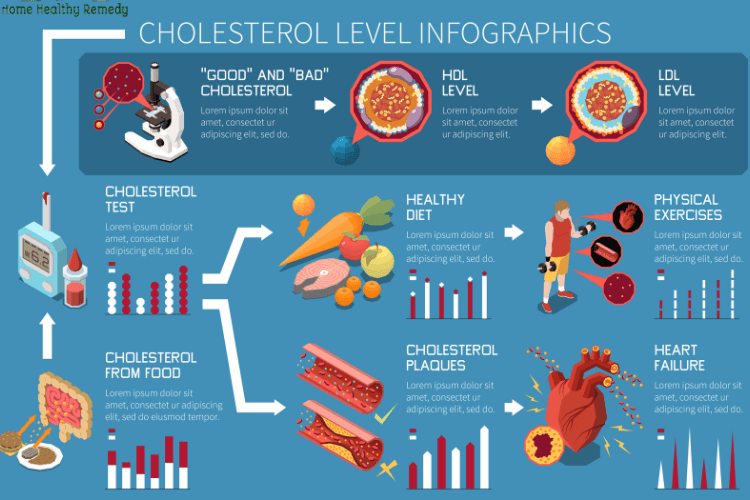
You need to know about cholesterol levels. It helps you see when you are in danger and when you are not. The standard numbers for your cholesterol levels are as follows:
| Component | What it is | The “Green Light” Zone | The “Red Light” Zone |
| Total Cholesterol | The sum of all traffic. | Less than 200 mg/dL | 240 mg/dL or higher |
| LDL Cholesterol | The Delivery Trucks. | Less than 100 mg/dL | 160 mg/dL or higher |
| HDL Cholesterol | The Cleanup Crew. | 60 mg/dL or higher (Higher is better!) | Men: <40, Women: <50 |
Note: If you have diabetes or have already had a heart attack, your doctor might want your LDL much lower, sometimes under 70 or even 55.
Your Action Plan to Prevent High Cholesterol
If you are diagnosed with high cholesterol levels, don’t panic. Most people can control and fix this with proper planning and following healthy habits. Below, I have provided a small plan, which can help you get an idea of what to do in this situation. You can think of this as a prevention plan for high cholesterol.
1. Eat Smart:
You don’t have to stop eating your favorite and delicious food. You just need to change foods that are not good for your health and choose something healthy.
Pick the “healthy” Fats:
Not all fat is harmful. Start choosing olive oil or avocado instead of butter. Eat snacks like walnuts or almonds instead of chips. Try fatty fish like salmon, because it has special oils that act as a defense for your heart.
Eat Fiber-rich Foods:
Fiber-rich foods, and especially foods with soluble fiber, act like a sponge in your digestive system, soaking up bad cholesterol and removing it from the body. Best options for these types of foods are oats, barley, beans, lentils, apples, pears, and Brussels sprouts.
Include plant-based cholesterol blockers:
Some plant foods contain natural substances that reduce how much cholesterol your body absorbs. These are found in certain fortified foods like some spreads, yogurts, and juices.
Limit Refined Carbs and Sugar:
Consuming too much sugar and refined carbohydrates like white bread and white rice can lower your HDL and increase triglycerides. Try not to eat too much of these foods.
2. Move Your Body:
Exercise is like medicine, but free!
- Try to do physical exercise for 30 minutes a day, five days a week.
- You don’t need to be an athlete. A simple brisk walk, a bicycle ride, or a swim also counts. As long as you are moving your body, you are doing something effective. Physical exercise helps wake up the “good” cholesterol (HDL) so it can start cleaning.
3. Manage Your Weight:
You don’t have to be super light or skinny. Make sure your weight is within a healthy range. If it’s not, then you should start managing your weight. A healthy weight helps to lower bad fats and increase the good ones.
4. Stop Smoking:
Smoking damages your blood vessels and makes it difficult for your body to clean up the mess. If you stop smoking, it helps to increase your HDL levels. It is one of the single best things you can do for your overall cardiovascular health.
Understanding Cholesterol Medications
There are some people for whom eating healthy, exercising daily, and following healthy habits are not enough to control cholesterol levels. This can happen to people who have very high cholesterol levels, genetic issues, or existing heart issues. In these situations, medication is the way to get cholesterol levels under control.
Statins are the most common cholesterol medication prescribed by doctors. They help to reduce the cholesterol manufactured by the liver, which helps remove LDL “bad” cholesterol. Statins also stabilize already existing plaque, so it doesn’t harm you. Atorvastatin and rosuvastatin are some common statins.
Your doctor can suggest other medications if statins don’t work for you. The same medication may not work for everyone because each person’s needs may be different. You should discuss with your doctor before starting any medication. Remember, medication cannot replace healthy habits and lifestyle, but it can give an extra boost for controlling cholesterol levels fast if both are combined.
Uncovering Some Myths About Cholesterol
Myth 1: Eggs are very harmful.
- Truth: Dietary cholesterol (in eggs) has a relatively small impact on blood cholesterol for about 75% of the population. Saturated fat (in bacon/sausage) is the bigger driver.
Myth 2: Coconut oil is a heart-healthy superfood.
- Truth: Coconut oil is 90% saturated fat. While it raises HDL, it also increases LDL significantly. Leading health organizations advise against using it as a primary cooking oil, preferring olive or canola oil instead.
Myth 3: High cholesterol is only for fat people.
- Truth: Thin people can have extremely high cholesterol, especially if they have FH or a poor diet. You cannot look at someone and know their lipid status.
Myth 4: I’m too young to worry about cholesterol.
- Truth: Atherosclerosis is a cumulative disease. Plaque begins forming in childhood. Screening in your 20s allows for early prevention that pays off in your 60s.
Final Thoughts
High cholesterol can be scary because it doesn’t give you any warnings before harming you. But you don’t have to let its fear control you. Cholesterol itself isn’t the real enemy because your body needs it for building cells. The real problem happens when your body has too much cholesterol with higher numbers of LDL, or “bad,” cholesterol. Because of this, your HDL cholesterol (the good one) is unable to properly clean up your blood vessels.
You cannot control high cholesterol overnight with a miracle. You need a consistent, healthy lifestyle and to follow healthy habits to manage your cholesterol levels and improve your overall health. You can simply start by eating nutritious food, exercising regularly, and quitting smoking.
Even after following healthy habits and a lifestyle, if you don’t get better, then you should consult with your doctor for proper medication. Both medication and a healthy lifestyle will be very helpful.
You can start taking care of your cholesterol levels with the knowledge you have gained from this blog and improve your future health.
Frequently Asked Questions
1. What exactly is high cholesterol?
High cholesterol simply means there is too much fatty, greasy stuff, which is called cholesterol, in your blood. When your cholesterol goes above a certain number with a higher percentage of LDL cholesterol (the bad one), it can block your blood vessels and harm you. You can even think of a vessel as a pipe getting clogged with too much cholesterol, making it hard for blood to flow.
2. Can I tell if my cholesterol is high?
No. There are no warning signs or symptoms of your cholesterol being high. You will feel as usual and nothing different, but it will silently build up and attack suddenly when it crosses a certain amount. The only way to know if you have it is to get a blood test from a doctor.
3. Is all cholesterol bad for me?
No! Your body actually needs cholesterol to survive. It uses it to build cells and keep you growing. The problem only starts when you have too much of the “Bad” kind (LDL) and not enough of the “Good” kind (HDL).
4. Which foods make it worse?
Foods that are full of trans and saturated fat, like red meat (like steak or burgers), butter and cheese, fried foods, and packaged snacks (like chips and cookies), are some that contribute to high cholesterol.
5. Which foods help fix it?
Foods that are full of fiber and healthy oils and fats, like oatmeal and beans, fruits and vegetables, nuts and seeds, and olive oil, are some that can help with high cholesterol conditions.
6. Do I have to take medicine?
Not everyone has to take medicine because, for some people, only a healthy lifestyle and healthy habits are enough to fix this problem. However, if you think you are not getting results from healthy habits and a healthy lifestyle, then you should speak with your doctor for proper medication.
7. Can kids also get high cholesterol?
Yes, even kids can get high cholesterol. Eating too much junk food or a family history of high cholesterol can be some of the reasons for it.
8. Is high cholesterol permanent?
No. In most cases, you can change it by eating healthy food, exercising, and sometimes taking medicine. But for some people, it can also be permanent.

Natural home remedies, skincare secrets, dental & eye health tips, and real product reviews to help you stay healthy the natural way.