

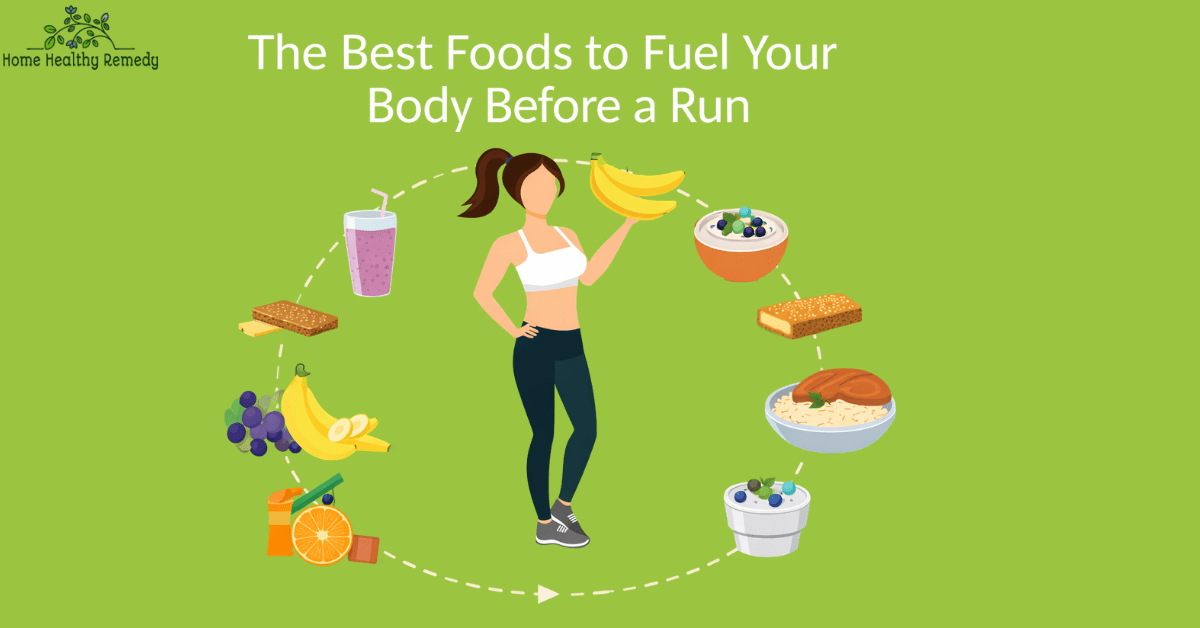
Foods to Eat Before a Run play a crucial role in how energized, strong, and comfortable you feel during your workout. At Home Healthy Remedy, we believe that smart, natural nutrition is the foundation of better health and better performance. Running may seem simple, but the fuel you choose beforehand can determine whether you finish feeling powerful or completely drained.
Many runners focus only on distance and pace while ignoring pre-run nutrition. The truth is, your body needs the right balance of carbohydrates, moderate protein, and proper hydration to perform at its best. Eating wisely before heading out helps maintain steady energy, supports muscle function, and reduces the risk of fatigue or discomfort.
In this guide, we’ll break down the best choices, practical timing tips, and simple strategies to help you make healthier decisions. With the right approach, fueling your body becomes easy, natural, and effective — just the way it should be.
Running feels simple. You put on your shoes, step outside, and start moving. But if you’ve ever felt tired halfway through, struggled with cramps, or experienced heavy legs early in your run, chances are your pre-run nutrition needed attention. What you eat before running can directly affect how strong, steady, and energized you feel.
Fueling your body properly isn’t complicated, but it does require understanding what your body needs and when it needs it. The right food at the right time can improve endurance, prevent early fatigue, and make your run feel smoother and more enjoyable.
This guide explains everything clearly — what to eat, when to eat it, and how to adjust based on your running goals.
Why Eating Before a Run Is Important
When you run, your body relies mainly on stored carbohydrates for energy. These carbohydrates are stored as glycogen in your muscles and liver. Once glycogen runs low, you may feel weak, dizzy, or suddenly exhausted. Many runners describe this as “hitting the wall.”
Eating before a run helps you:
- Maintain steady energy
- Improve endurance
- Prevent muscle breakdown
- Stay mentally focused
- Reduce recovery time
Skipping food might seem harmless for short runs, but for longer or more intense workouts, proper fuel makes a noticeable difference.
Understanding What Your Body Needs
Your body uses three main nutrients for energy: carbohydrates, protein, and fat. Each one plays a role, but they affect your run differently.
Carbohydrates: Your Main Energy Source
Carbohydrates are the most important nutrient before a run. They break down quickly into glucose, which your muscles use for fuel. The higher the intensity of your run, the more your body depends on carbs.
Good pre-run carbohydrate sources include:
- Bananas
- Oats
- Rice
- Potatoes
- Whole grain or white bread
- Pasta
- Fruits
Carbs should be the focus of your pre-run meal.
Protein: Helpful but Moderate
Protein helps repair and protect muscles, but it isn’t your primary fuel source during a run. Including a small amount of protein can help keep your blood sugar stable and reduce muscle breakdown.
Simple options include:
- Greek yogurt
- Eggs
- Nut butter
- Cottage cheese
Keep protein moderate before running. Too much can slow digestion and make you feel heavy.
Fat: Keep It Light
Fat digests slowly. While healthy fats are important in your daily diet, eating too much before a run can cause discomfort.
Try to limit:
- Fried foods
- Heavy cream sauces
- Large portions of nuts
- Fatty meats
A small amount is fine, but avoid heavy meals before heading out.
When Should You Eat Before a Run?
Timing matters just as much as food choice.
3–4 Hours Before
If you have time, this is ideal for a full meal. Choose balanced foods that include carbohydrates, moderate protein, and low fat.
Example:
Grilled chicken with white rice and lightly cooked vegetables.
This gives your body enough time to digest and store energy.
1–2 Hours Before
If your run is closer, eat something lighter that focuses on easy-to-digest carbs.
Example:
Oatmeal with banana.
This provides steady energy without feeling too heavy.
30–60 Minutes Before
Keep it small and simple. At this point, your body needs quick energy.
Example:
Half a banana or toast with honey.
Avoid large meals in this time window.
Best Foods to Eat Before a Run
Here are some simple and effective options.
Bananas
Bananas are easy to digest and rich in natural sugars and potassium. They provide quick energy and support muscle function. They are especially helpful before short or moderate runs.
Oatmeal
Oats offer slow-releasing carbohydrates that provide sustained energy. They work well for runs lasting longer than 45 minutes.
Adding fruit increases energy availability without making the meal heavy.
Toast with Honey or Jam
This is a great early morning option. Toast is light, and honey or jam provides fast-acting carbs.
It’s simple, easy on the stomach, and effective.
Yogurt with Fruit
Greek yogurt combined with berries or banana provides carbs and moderate protein. This combination works well 1–2 hours before a run.
Rice or Pasta
For longer runs or endurance training, white rice or pasta can help increase glycogen stores. These are best eaten several hours before running.
Smoothies
A smoothie made with banana, oats, milk, and a small amount of nut butter can be an excellent pre-run option. Liquid meals are often easier to digest.
What to Avoid Before Running
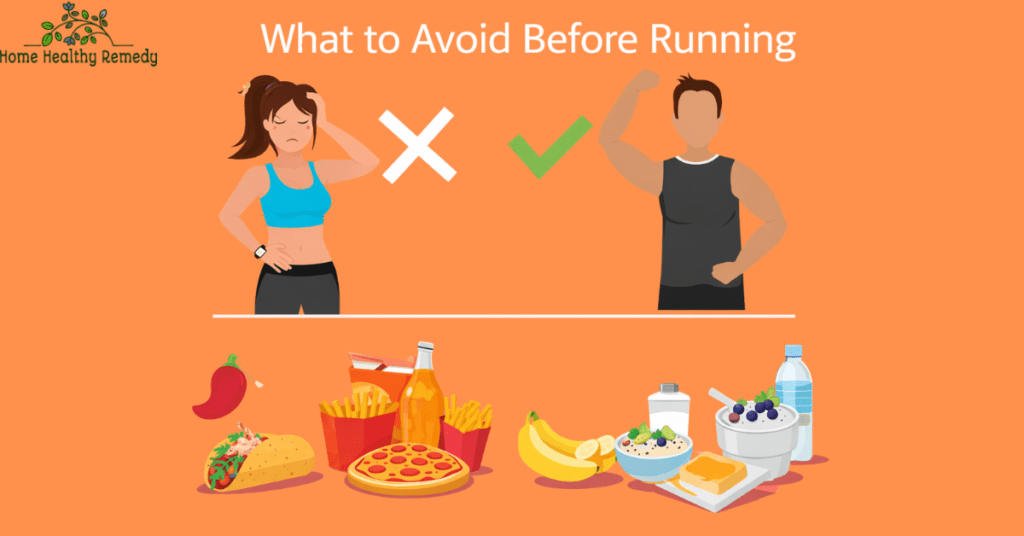
Certain foods may cause discomfort or reduce performance.
Avoid:
- Spicy foods
- Fried or greasy meals
- Large salads
- Beans and high-fiber foods
- Carbonated drinks
These can cause bloating, cramping, or stomach upset.
Understanding both the advantages and possible drawbacks of pre-run nutrition can help you make better decisions based on your goals and schedule.
✅ Pros of Eating Before a Run
1. Steady Energy Levels
Eating carbohydrates before running provides your muscles with readily available fuel. This helps maintain consistent energy, especially during moderate to long runs.
2. Improved Endurance
Proper fueling increases glycogen stores in your muscles. This allows you to run longer without feeling exhausted too early.
3. Better Performance
When your body has enough fuel, your pace, stamina, and overall performance improve. You are less likely to slow down unexpectedly.
4. Reduced Muscle Breakdown
Including a small amount of protein before running can help protect muscle tissue, especially during longer workouts.
5. Improved Focus
Low blood sugar can make you feel dizzy or unfocused. Eating beforehand helps maintain mental clarity during your run.
6. Faster Recovery
When your body is properly fueled, recovery after the run becomes smoother because you start with balanced energy levels.
❌ Cons of Eating Before a Run
1. Risk of Stomach Discomfort
Eating too much or too close to your run can cause cramps, bloating, nausea, or a heavy feeling.
2. Sluggish Start
A large or high-fat meal may sit in your stomach and make the first part of your run feel slow and uncomfortable.
3. Digestive Issues
High-fiber or spicy foods before running can trigger digestive urgency or stomach pain during exercise.
4. Trial and Error Required
Finding the right food and timing takes experimentation. What works for one runner may not work for another.
5. Overeating Can Reduce Performance
Some runners assume more food equals more energy, but overeating can actually make performance worse.
Fueling Based on Run Length
Your nutrition should match the intensity and duration of your run.
Short Runs (Under 45 Minutes)
You may not need much food, especially if the run is easy. A small snack is usually enough.
Example:
A banana or small granola bar.
Moderate Runs (45–90 Minutes)
Carbohydrates become more important.
Example:
Oatmeal with fruit or toast with peanut butter.
Long Runs (Over 90 Minutes)
You need to maximize glycogen stores.
3–4 hours before:
Rice with lean protein.
30 minutes before:
A small carb snack like half a banana.
You may also need fuel during the run.
Morning Runs: What Should You Do?
Many people run early and don’t have much time to eat. In that case, keep it simple.
Options include:
- Banana
- Toast with honey
- Small smoothie
If the run is short and light, some runners feel fine without eating. However, for longer sessions, even a small snack helps.
Hydration Is Just as Important
Fueling isn’t only about food. Hydration affects performance too.
Drink water:
- 2–3 hours before your run
- Small sips 20–30 minutes before
Avoid drinking too much right before starting to prevent discomfort.
In hot weather or longer runs, consider drinks with electrolytes.
How to Know If You’re Eating the Right Amount
Pay attention to how you feel.
Signs you ate too little:
- Fatigue early in the run
- Dizziness
- Weakness
Signs you ate too much:
- Stomach cramps
- Sluggish start
- Feeling heavy
Small adjustments can improve comfort and performance.
Should You Run on an Empty Stomach?
Some people prefer fasted running, especially for short and easy sessions. While this may increase fat use, it can reduce overall performance during longer or intense runs.
If your goal is performance improvement, light pre-run fuel usually works better.
Personalizing Your Approach
Every runner is different. Factors such as metabolism, body size, climate, and fitness level influence your ideal pre-run meal.
The best way to find what works for you is through practice. Try different foods and note how you feel during and after your runs.
Never experiment with new foods on race day.
Final Thoughts
The best foods to fuel your body before a run are simple, easy to digest, and rich in carbohydrates. You don’t need complicated meal plans or special products. Basic, balanced foods often work best.
Focus on:
- Carbohydrates for energy
- Moderate protein
- Low fat
- Proper timing
- Staying hydrated
When you fuel your body correctly, running feels stronger and more controlled. Energy stays steady, your pace improves, and recovery becomes easier.
Eating well before a run isn’t about perfection. It’s about consistency and listening to your body. With the right fuel, every step becomes more powerful and more enjoyable.
Frequently Asked Questions (FAQ)
1. What is the best food to eat before a run?
The best option is something rich in carbohydrates and easy to digest, such as a banana, oatmeal, or toast with honey. Carbohydrates provide the quick energy your muscles need during a run.
2. How long before running should I eat?
If you’re eating a full meal, do so 3–4 hours before your run. For a light snack, 30–60 minutes before running is usually enough. The closer you are to your run, the lighter your food should be.
3. Is it okay to run without eating?
For short and low-intensity runs, some people feel fine running on an empty stomach. However, for longer or more intense sessions, eating beforehand generally improves energy and performance.
4. What foods should I avoid before a run?
Avoid heavy, greasy, spicy, or high-fiber foods right before running. These can cause bloating, cramps, or discomfort during your workout.
5. How much water should I drink before a run?
Drink water a few hours before running and take small sips about 20–30 minutes before starting. Avoid drinking too much right before heading out to prevent stomach discomfort.
6. What should I eat before a long run?
Before a long run, eat a balanced meal with carbohydrates and moderate protein 3–4 hours prior. Closer to the run, a small carb-based snack like half a banana can help top off your energy levels.

Natural home remedies, skincare secrets, dental & eye health tips, and real product reviews to help you stay healthy the natural way.