

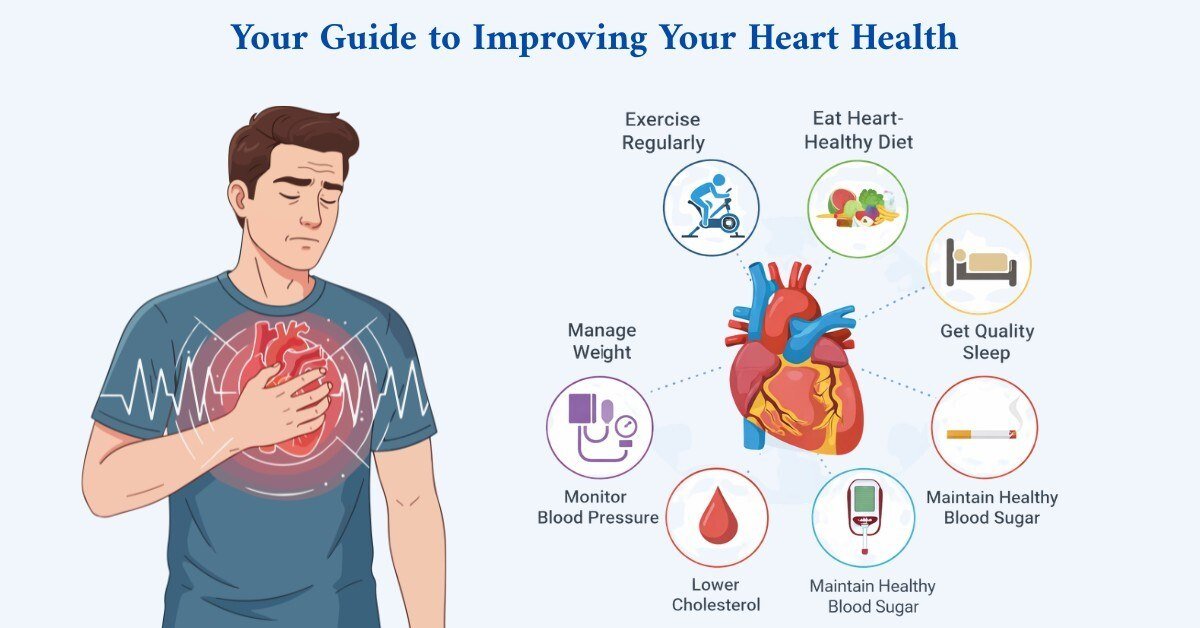
Your heart is one of the most vital organs in your body, working tirelessly every second to pump blood, deliver oxygen, and supply essential nutrients to every cell. Despite its critical role, heart health is often overlooked until warning signs appear. In today’s fast-paced world—where stress, processed foods, lack of physical activity, and poor sleep habits are common—taking proactive steps to protect your cardiovascular system has never been more important.
Improving your heart health doesn’t require extreme diets or complicated fitness routines. Instead, it begins with understanding how your lifestyle choices impact your cardiovascular system. Simple, consistent changes—such as eating nutrient-rich foods, staying physically active, managing stress, and maintaining a healthy weight—can significantly reduce your risk of heart disease and improve overall well-being.
This guide is designed to provide practical, easy-to-follow strategies that help you strengthen your heart naturally. Whether your goal is to lower blood pressure, balance cholesterol levels, boost energy, or simply maintain long-term wellness, the right habits can make a powerful difference. By taking small, meaningful steps today, you can build a strong foundation for lifelong heart health and enjoy a more active, vibrant future.
Understanding How Your Heart Works
Your heart is a powerful muscular organ about the size of your fist, working nonstop to keep you alive and energized. It functions as the central pump of your cardiovascular system, circulating oxygen-rich blood throughout your body and returning oxygen-poor blood back to the lungs for replenishment. The heart has four chambers — two upper chambers called atria and two lower chambers called ventricles. The right side of the heart receives deoxygenated blood and sends it to the lungs, while the left side pumps oxygenated blood out to the rest of the body through a network of arteries.
Each heartbeat is triggered by electrical signals that travel through the heart muscle, ensuring it contracts in a steady, coordinated rhythm. This rhythm, known as your heart rate, adjusts based on your activity level, stress, and overall health. When you exercise, your heart beats faster to deliver more oxygen to working muscles. When you rest, it slows down to conserve energy.
Healthy heart function depends on strong heart muscles, flexible blood vessels, balanced blood pressure, and proper cholesterol levels. If arteries become narrow or blocked due to plaque buildup, blood flow can be restricted, increasing the risk of heart disease. That’s why understanding how your heart works is the first step toward protecting it. By supporting circulation, maintaining a healthy lifestyle, and managing risk factors, you can help your heart continue performing its vital role efficiently for years to come.
Common Risk Factors That Damage Heart Health
Heart health is influenced by a combination of lifestyle choices, genetic predisposition, and environmental factors. Among the most common risk factors that damage heart health is high blood pressure, which forces the heart to work harder than normal and gradually weakens both the heart muscle and blood vessels.
Elevated cholesterol levels are another major contributor, as excess LDL (bad cholesterol) can build up in the arteries, forming plaque that restricts blood flow and increases the risk of heart attack and stroke. Smoking significantly harms the cardiovascular system by damaging blood vessel walls, reducing oxygen in the blood, and promoting clot formation. Poor dietary habits—especially diets high in saturated fats, trans fats, salt, and added sugars—can lead to obesity, high cholesterol, and diabetes, all of which strain the heart.
Physical inactivity further compounds these risks, as regular exercise is essential for maintaining healthy blood circulation, weight control, and balanced blood pressure. Chronic stress also plays a hidden but powerful role, triggering hormonal responses that elevate blood pressure and encourage unhealthy coping behaviors such as overeating or smoking. Excessive alcohol consumption can weaken the heart muscle and contribute to irregular heart rhythms. Additionally, unmanaged diabetes can damage blood vessels and nerves that control the heart, significantly increasing cardiovascular risk. Family history and advancing age are non-modifiable risk factors, but awareness allows individuals to take preventive action early.
The Power of a Heart-Healthy Diet
A heart-healthy diet is one of the most powerful tools you have to protect and strengthen your cardiovascular system. The foods you eat directly influence your blood pressure, cholesterol levels, inflammation, and overall heart function. Choosing nutrient-dense, whole foods can significantly reduce the risk of heart disease while improving energy and long-term vitality. A balanced diet rich in fresh vegetables, fruits, whole grains, lean proteins, and healthy fats provides essential vitamins, minerals, antioxidants, and fiber that support healthy blood flow and arterial function.
Leafy greens like spinach and kale are packed with nitrates and antioxidants that help improve circulation. Whole grains such as oats and brown rice support healthy cholesterol levels due to their high fiber content. Fatty fish like salmon and sardines provide omega-3 fatty acids, which are known to reduce inflammation and lower triglycerides. Nuts, seeds, olive oil, and avocados offer heart-friendly monounsaturated fats that promote better lipid balance.
At the same time, reducing processed foods, excessive sugar, trans fats, and high sodium intake is equally important. These can contribute to high blood pressure, plaque buildup, and increased cardiovascular risk. Simple dietary shifts—such as cooking at home more often, reading nutrition labels, and prioritizing natural ingredients—can make a meaningful difference.
Exercise Strategies to Strengthen Your Heart
Regular exercise is one of the most powerful ways to strengthen your heart and improve overall cardiovascular health. When you stay active, your heart becomes more efficient at pumping blood, delivering oxygen, and supporting every organ in your body. The key is consistency and choosing activities that elevate your heart rate safely. You don’t need extreme workouts—simple, structured movement can dramatically improve endurance, circulation, and energy levels over time.
To build a stronger heart, focus on these effective exercise strategies:
- Brisk Walking (30 minutes daily): A low-impact yet highly effective way to improve circulation and heart efficiency.
- Jogging or Light Running: Boosts cardiovascular endurance and strengthens heart muscles.
- Cycling (Outdoor or Stationary): Enhances stamina while being gentle on joints.
- Swimming: A full-body workout that improves heart and lung capacity.
- Strength Training (2–3 times weekly): Helps reduce fat, improve metabolism, and support healthy blood pressure.
- High-Intensity Interval Training (HIIT): Short bursts of intense effort improve heart performance in less time.
- Yoga & Deep Breathing Exercises: Reduce stress hormones that negatively affect heart health.
- Stretching & Mobility Work: Supports blood flow and prevents injury.
Managing Blood Pressure Naturally
Managing blood pressure naturally starts with simple yet consistent lifestyle changes that support your heart and overall cardiovascular system. High blood pressure, also known as hypertension, often develops silently without obvious symptoms, but over time it can increase the risk of heart disease, stroke, and kidney problems. The good news is that daily habits play a powerful role in keeping your numbers in a healthy range.
One of the most effective strategies is improving your diet. Focus on whole, nutrient-rich foods such as leafy green vegetables, berries, bananas, oats, nuts, seeds, and fatty fish rich in omega-3s. Reducing excess salt intake is equally important, as too much sodium can cause the body to retain water and raise blood pressure. Staying well-hydrated and limiting processed foods can make a noticeable difference.
Regular physical activity is another natural blood pressure stabilizer. Brisk walking, cycling, swimming, or light strength training for at least 30 minutes most days of the week helps improve circulation and strengthens the heart muscle. Even small changes, like taking the stairs or stretching daily, add up over time.
Stress management is often overlooked but essential. Chronic stress triggers hormones that temporarily spike blood pressure. Deep breathing exercises, meditation, yoga, and adequate sleep can help balance these stress responses. Maintaining a healthy weight, avoiding smoking, and limiting alcohol consumption further protect your cardiovascular health.
Controlling Cholesterol for Long-Term Protection
Controlling cholesterol is one of the most important steps you can take to protect your heart for the long term. Cholesterol is a fatty substance found in your blood, and while your body needs some of it to build healthy cells, too much low-density lipoprotein (LDL), often called “bad” cholesterol, can lead to plaque buildup in the arteries. Over time, this buildup narrows the arteries, restricts blood flow, and increases the risk of heart attack and stroke. On the other hand, high-density lipoprotein (HDL), known as “good” cholesterol, helps remove excess cholesterol from the bloodstream, supporting better cardiovascular health.
A heart-smart diet plays a major role in maintaining balanced cholesterol levels. Focus on eating fiber-rich foods such as oats, whole grains, fruits, vegetables, and legumes, which help reduce LDL naturally. Healthy fats from sources like nuts, seeds, olive oil, and fatty fish rich in omega-3s can further support heart function. At the same time, limit processed foods, trans fats, and excessive sugar intake, as these can negatively affect lipid levels.
Regular physical activity is equally powerful. Engaging in at least 30 minutes of moderate exercise most days of the week can raise HDL cholesterol and improve overall circulation. Maintaining a healthy weight, avoiding smoking, managing stress, and getting regular health checkups are also key components of long-term protection. By combining smart nutrition, consistent exercise, and mindful lifestyle habits, you can effectively control cholesterol and build a strong foundation for lifelong heart health.
The Role of Stress and Sleep in Heart Health
Stress and sleep play a powerful yet often underestimated role in maintaining a healthy heart. When stress becomes chronic, the body remains in a constant “fight-or-flight” state, releasing hormones like cortisol and adrenaline that increase heart rate and blood pressure. Over time, this persistent strain can damage blood vessels, raise inflammation levels, and increase the risk of heart disease. At the same time, poor sleep disrupts the body’s natural repair processes, affecting blood pressure regulation, blood sugar balance, and overall cardiovascular function. Together, unmanaged stress and inadequate sleep create a cycle that places continuous pressure on the heart.
Key ways stress affects heart health:
- Raises blood pressure and heart rate for extended periods
- Increases inflammation that contributes to plaque buildup in arteries
- Encourages unhealthy coping habits such as overeating, smoking, or alcohol use
- Disrupts hormonal balance, impacting metabolism and weight
How poor sleep harms the heart:
- Elevates blood pressure, especially during the night
- Increases risk of obesity and type 2 diabetes
- Reduces the body’s ability to repair blood vessels
- Triggers irregular heart rhythms in some individuals
Research shows that adults who consistently sleep fewer than 6–7 hours per night have a higher risk of cardiovascular problems compared to those who get quality rest. Similarly, high levels of emotional stress, work pressure, or anxiety can significantly increase the likelihood of heart-related conditions if left unmanaged.
Smart Supplement Support for Cardiovascular Wellness
Supporting cardiovascular wellness goes beyond diet and exercise, and smart supplementation can play a helpful role when used alongside a healthy lifestyle. Certain nutrients are widely recognized for their heart-supporting properties. Omega-3 fatty acids, commonly found in fish oil, help maintain healthy triglyceride levels, support normal heart rhythm, and promote overall vascular function.
Coenzyme Q10 (CoQ10) is another powerful antioxidant that assists in cellular energy production and may support healthy blood pressure levels, especially in individuals taking statin medications. Magnesium contributes to proper muscle and nerve function, including the steady rhythm of the heart, while also helping regulate blood pressure. Plant-based ingredients such as garlic extract and hawthorn have traditionally been used to support circulation and overall heart performance. Additionally, fiber supplements like psyllium husk can aid in maintaining healthy cholesterol levels by reducing LDL cholesterol absorption in the digestive tract.
Antioxidants such as vitamin C and vitamin E help combat oxidative stress, which can damage blood vessels over time. However, supplementation should be approached thoughtfully. Not all products are created equal, and choosing high-quality, clinically supported formulas from reputable manufacturers is essential. It is also important to consult with a healthcare professional before beginning any supplement routine, particularly for individuals with existing medical conditions or those taking prescription medications.
Early Warning Signs You Should Never Ignore
Your heart often gives subtle signals before a serious problem develops—but many people ignore them until it’s too late. Recognizing early warning signs can help you seek timely medical care and prevent life-threatening complications. Heart-related symptoms may appear suddenly or develop gradually over weeks or months. Paying attention to unusual physical changes is one of the smartest steps you can take for long-term cardiovascular protection.
Here are critical warning signs you should never overlook:
- Chest discomfort or pressure – A feeling of tightness, squeezing, burning, or heaviness in the chest that lasts more than a few minutes or comes and goes.
- Shortness of breath – Difficulty breathing during normal activities or even at rest can signal reduced heart function.
- Pain spreading to the arm, neck, jaw, or back – Especially on the left side, this can indicate restricted blood flow to the heart.
- Unusual fatigue – Extreme tiredness without a clear reason, particularly in women, may be an early heart warning sign.
- Irregular heartbeat or palpitations – Feeling like your heart is racing, fluttering, or skipping beats.
- Dizziness or lightheadedness – Sudden weakness, fainting, or feeling unstable may relate to poor circulation.
- Swelling in legs, ankles, or feet – Fluid buildup can suggest heart strain or heart failure.
- Persistent nausea or indigestion-like discomfort – Sometimes mistaken for stomach issues but may be heart-related.
Creating a Sustainable Heart-Healthy Lifestyle Plan
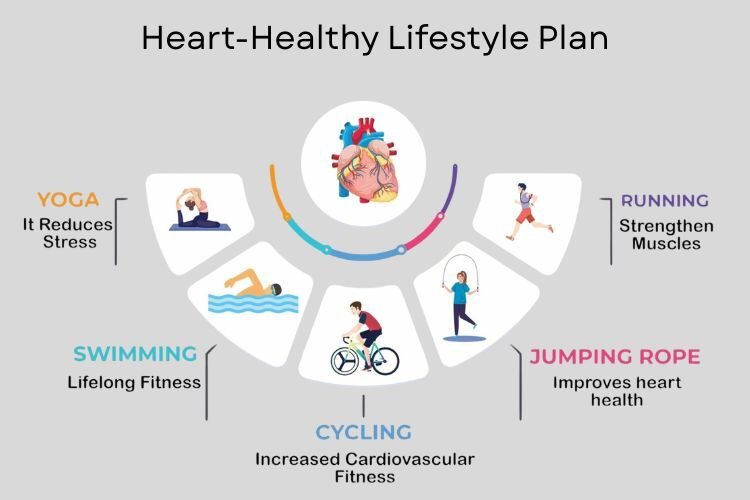
Creating a Sustainable Heart-Healthy Lifestyle Plan begins with small, realistic changes that you can maintain for the long term. Instead of focusing on short-term diets or extreme workout routines, aim to build daily habits that naturally support your cardiovascular system. Start by improving your nutrition. Choose whole, minimally processed foods such as fresh fruits, vegetables, whole grains, lean proteins, nuts, and seeds. Reduce excess salt, added sugars, and unhealthy fats, which can negatively impact blood pressure and cholesterol levels. Portion control and mindful eating also play an important role in maintaining a healthy weight, which directly supports heart function.
Physical activity is another essential pillar of a heart-healthy plan. You don’t need intense workouts every day; consistency matters more than intensity. Aim for at least 30 minutes of moderate exercise like brisk walking, cycling, swimming, or yoga most days of the week. Strength training two to three times weekly can further improve circulation, metabolism, and overall endurance. The key is choosing activities you genuinely enjoy so they become part of your lifestyle rather than a temporary effort.
Equally important is managing stress and prioritizing quality sleep. Chronic stress can raise blood pressure and strain the heart over time. Simple practices such as deep breathing, meditation, journaling, or spending time in nature can help maintain emotional balance. Aim for seven to eight hours of restful sleep each night to allow your body and heart to recover properly.
Frequently Asked Questions
1. What are the early signs of heart problems?
Common warning signs include chest pain or discomfort, shortness of breath, unusual fatigue, dizziness, swelling in the legs, and irregular heartbeat. Seek medical help if symptoms are severe or sudden.
2. How can I improve my heart health naturally?
Focus on a balanced diet, regular exercise, stress management, quality sleep, and avoiding smoking. Small daily habits create long-term results.
3. How much exercise is good for heart health?
At least 150 minutes of moderate-intensity exercise per week, such as brisk walking, cycling, or swimming, is recommended.
4. What foods are best for a healthy heart?
Leafy greens, berries, nuts, seeds, whole grains, fatty fish, olive oil, and fiber-rich foods support cardiovascular health.
5. Can heart disease be reversed?
Early-stage heart disease may be improved with lifestyle changes and proper medical guidance. Advanced cases require professional treatment.
6. How does stress affect the heart?
Chronic stress can increase blood pressure, inflammation, and heart disease risk over time.
7. Is high cholesterol always dangerous?
High LDL (bad) cholesterol increases risk, while HDL (good) cholesterol helps protect your heart. Balance is important.
8. Do supplements help with heart health?
Some supplements like omega-3, magnesium, and CoQ10 may support heart function, but consult a healthcare professional first.
Final Conclusion
Improving your heart health is not about making extreme changes overnight—it’s about building consistent, sustainable habits that protect your cardiovascular system for life. By focusing on balanced nutrition, regular physical activity, stress management, quality sleep, and routine health checkups, you create a strong foundation for long-term wellness. Small daily choices, such as choosing whole foods over processed options or taking a 30-minute walk, can make a powerful difference over time.
Understanding your risk factors, monitoring blood pressure and cholesterol levels, and responding early to warning signs are equally important steps in preventing serious complications. While supplements may provide additional support, they should complement—not replace—a healthy lifestyle and professional medical advice.
Your heart works tirelessly every day to keep you alive and energized. Taking proactive steps today can reduce future risks and improve your overall quality of life. Remember, consistency is the key. With dedication and mindful habits, you can strengthen your heart, boost your vitality, and enjoy a healthier, longer life.

Natural home remedies, skincare secrets, dental & eye health tips, and real product reviews to help you stay healthy the natural way.