

This article was researched and written by analyzing the world’s most authoritative health and mental wellness websites. Every statistic, remedy, and recommendation in this guide is drawn from those primary sources. The full list of source URLs is provided at the end of this article. This content is published on homehealthyremedy.com as part of our commitment to bringing clinically grounded, accessible health information to everyday readers.
Depression and other mood disorders affect millions of people worldwide, yet conversations about treatment—especially antidepressants—are still surrounded by confusion and stigma. Despite decades of research and medical advancement, many individuals hesitate to consider medication because of misinformation, fear, or negative stereotypes. These misunderstandings can prevent people from seeking effective support and prolong unnecessary suffering.
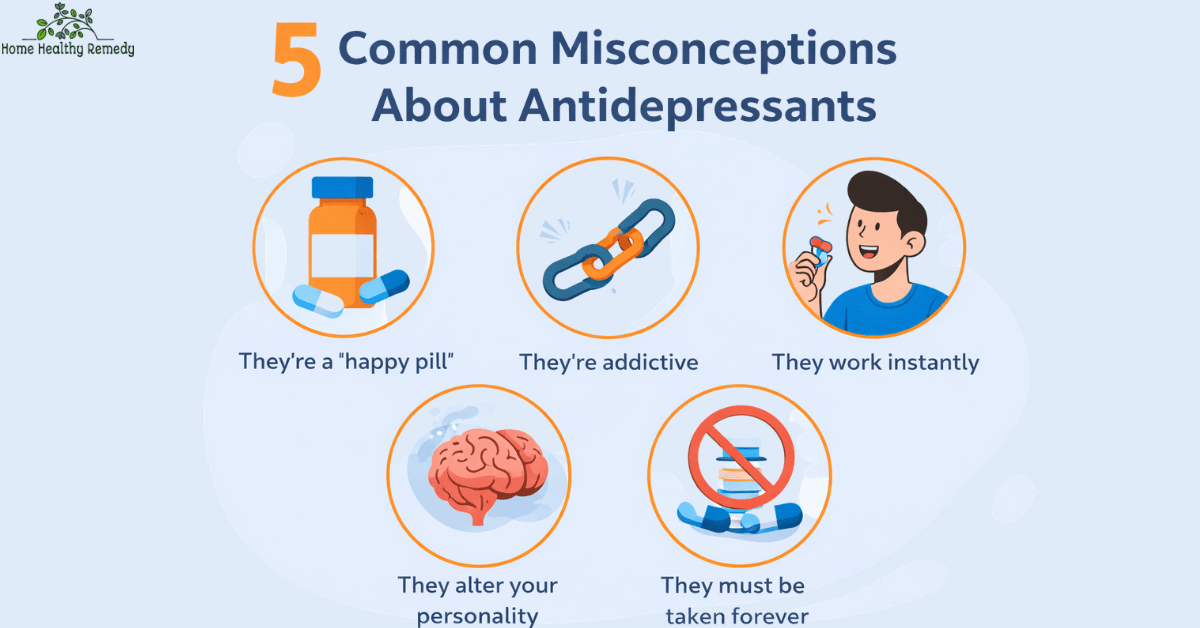
Antidepressants are among the most widely studied mental health treatments, prescribed to help manage conditions such as major depressive disorder, anxiety disorders, and panic disorder. When used under proper medical supervision, they can significantly improve mood, restore emotional balance, and enhance overall quality of life. However, myths like “they’re addictive,” “they change your personality,” or “you’ll need them forever” continue to circulate, often discouraging people from exploring treatment options.
The truth is that antidepressants are not a one-size-fits-all solution, nor are they a magic cure. They are a medical tool—one that works best when combined with professional guidance, therapy, and healthy lifestyle choices. Understanding how they truly work, what to expect, and separating fact from fiction can help you make informed, confident decisions about your mental health.
Understanding Depression and Why Treatment Matters
Depression is more than just feeling sad or going through a rough patch—it is a serious and complex mental health condition that affects how a person thinks, feels, and functions in daily life. It can cause persistent feelings of hopelessness, fatigue, loss of interest in activities once enjoyed, difficulty concentrating, changes in sleep patterns, and even physical symptoms such as headaches or digestive issues. Unlike temporary emotional lows, depression often lingers for weeks or months and can interfere with work, relationships, and overall quality of life.
The causes of depression are multifaceted, involving a combination of biological, psychological, and environmental factors. Chemical imbalances in the brain, genetic predisposition, traumatic experiences, chronic stress, and major life changes can all contribute to its development. Because depression affects brain chemistry and emotional regulation, it is not something a person can simply “snap out of” through willpower alone.
This is why proper treatment matters. Effective treatment options—including therapy, lifestyle changes, social support, and when appropriate, antidepressant medication—can significantly reduce symptoms and help individuals regain stability. Early intervention is especially important, as untreated depression may worsen over time and increase the risk of complications such as substance abuse or suicidal thoughts. Seeking help is not a sign of weakness but a proactive step toward healing. With the right support and guidance, recovery is not only possible but highly achievable, allowing individuals to rebuild confidence, purpose, and emotional well-being.
What Are Antidepressants and How Do They Work?
Antidepressants are prescription medications primarily used to treat depression, but they are also commonly prescribed for anxiety disorders, panic disorder, obsessive-compulsive disorder (OCD), post-traumatic stress disorder (PTSD), and certain chronic pain conditions. These medications work by balancing chemicals in the brain known as neurotransmitters, which play a key role in regulating mood, emotions, and stress responses.
There are several types of antidepressants, including selective serotonin reuptake inhibitors (SSRIs), serotonin-norepinephrine reuptake inhibitors (SNRIs), tricyclic antidepressants (TCAs), and monoamine oxidase inhibitors (MAOIs). SSRIs, such as fluoxetine or sertraline, are often the first choice because they tend to have fewer side effects compared to older medications. These drugs work by preventing the reabsorption (reuptake) of serotonin in the brain, making more of it available to improve communication between nerve cells. Over time, this enhanced signaling can help stabilize mood and reduce symptoms of depression.
It’s important to understand that antidepressants do not produce immediate results. Most people begin to notice improvement after two to four weeks, with full benefits sometimes taking up to eight weeks. They are not “happy pills” that instantly change your personality; instead, they gradually support the brain’s natural chemistry to help restore emotional balance. When prescribed and monitored by a healthcare professional, antidepressants can be a safe and effective part of a comprehensive mental health treatment plan.
Misconception #1: Antidepressants Are Addictive
One of the most common myths about antidepressants is that they are addictive, similar to substances like alcohol, nicotine, or opioids. This misunderstanding often prevents people from seeking the help they truly need. In reality, most antidepressants — including SSRIs and SNRIs — are not classified as addictive medications. Addiction typically involves cravings, loss of control, and compulsive use despite harmful consequences. Antidepressants do not produce a “high,” nor do they cause drug-seeking behavior.
It’s important to understand the difference between addiction and physical dependence:
- Addiction involves cravings and compulsive misuse.
- Dependence means your body adjusts to medication over time.
- Some people may experience temporary withdrawal symptoms if they stop suddenly.
- These symptoms can include dizziness, nausea, or mood changes.
- Gradually tapering the dose under medical supervision prevents most issues.
Doctors carefully prescribe antidepressants to balance brain chemicals like serotonin, which helps regulate mood, sleep, and emotions. They are designed to support mental health stability — not create dependency. When taken as directed, antidepressants are considered safe and effective for many individuals struggling with depression or anxiety.
If someone decides to stop taking them, healthcare providers usually recommend a slow, supervised reduction rather than abrupt discontinuation. This approach minimizes discomfort and ensures a smoother transition. Believing that antidepressants are addictive can create unnecessary fear. The truth is that these medications are therapeutic tools, not habit-forming substances, and they play an important role in helping millions of people manage their mental health safely.
Misconception #2: Taking Antidepressants Is a Sign of Weakness
One of the most damaging myths about antidepressants is the belief that taking them is a sign of weakness or personal failure. This misconception often stems from outdated attitudes toward mental health, where emotional struggles were seen as something people should simply “snap out of” through willpower alone. In reality, depression is a complex medical condition influenced by brain chemistry, genetics, life experiences, and environmental stressors. Just as someone with diabetes may need insulin or a person with high blood pressure may require medication, individuals with depression may benefit from antidepressants to help regulate neurotransmitters in the brain. Seeking treatment is not a sign of weakness—it is a sign of self-awareness and courage.
It takes strength to acknowledge that you need support and to take proactive steps toward healing. Many successful, strong, and high-functioning individuals use antidepressants as part of their treatment plan while continuing to lead productive lives. Choosing medication, whether short-term or long-term, is a medical decision made in consultation with a healthcare professional, not a reflection of character. By challenging this harmful belief, we can help reduce stigma and encourage more people to seek the help they deserve without shame or guilt.
Misconception #3: Antidepressants Change Who You Are
One of the most common fears people have about starting antidepressants is that the medication will somehow change their personality or make them feel like a completely different person. This misconception often prevents individuals from seeking treatment, even when they are struggling significantly with depression or anxiety. In reality, antidepressants are not designed to alter your core identity, values, or character. Their primary purpose is to help regulate brain chemicals such as serotonin, dopamine, and norepinephrine, which play a key role in mood, motivation, and emotional balance.
When someone is experiencing depression, their thoughts, emotions, and behaviors may already feel unlike their “true self.” They might feel persistently sad, irritable, hopeless, or disconnected from activities they once enjoyed. In many cases, effective treatment with antidepressants can actually help individuals feel more like themselves again by reducing the intensity of these symptoms. Rather than creating a new personality, the medication works to restore emotional stability and mental clarity.
It’s true that some people may experience temporary side effects, such as feeling emotionally muted during the early stages of treatment. However, these effects are often mild and manageable under medical supervision. Open communication with a healthcare provider allows for dosage adjustments or medication changes if needed. Ultimately, antidepressants are tools designed to support mental health—not to redefine who you are.
Misconception #4: They Work Instantly After the First Dose
One of the most common misunderstandings about antidepressants is the belief that they work immediately after the first pill. Many people expect rapid relief—similar to taking a painkiller for a headache—but antidepressants do not function that way. These medications gradually adjust brain chemistry, particularly neurotransmitters like serotonin, dopamine, and norepinephrine, which influence mood and emotional balance. This process takes time, and expecting instant results can lead to unnecessary frustration or disappointment.
- Antidepressants typically take 2–6 weeks to show noticeable improvements in mood.
- Some individuals may experience small changes in sleep, appetite, or energy before mood improves.
- The brain needs time to adapt to new neurotransmitter levels.
- Dosage adjustments may be required before finding the most effective treatment plan.
- Stopping medication too early can prevent full therapeutic benefits.
It’s also important to understand that early side effects—such as mild nausea, headaches, or restlessness—may appear before positive results are felt. This can mistakenly lead someone to believe the medication isn’t working. However, patience and consistent use under medical supervision are key. Doctors often schedule follow-up appointments within the first few weeks to monitor progress and make adjustments if needed.
Ultimately, antidepressants are not “quick fixes.” They are part of a broader mental health strategy that may include therapy, lifestyle changes, and ongoing support. Understanding this timeline helps set realistic expectations and encourages individuals to stay committed to their treatment plan for the best possible outcome.
Misconception #5: Once You Start, You Can Never Stop
One of the most common fears surrounding antidepressants is the belief that once you begin taking them, you’ll be dependent on them for life. This misconception often prevents people from seeking help in the first place. In reality, antidepressants are not automatically lifelong medications. The duration of treatment varies depending on the individual, the severity of symptoms, and whether the depression is a first episode or a recurring condition. Many healthcare providers recommend staying on antidepressants for at least six to twelve months after symptoms improve to reduce the risk of relapse. For some individuals with recurrent depression, longer-term treatment may be advised, but this is a personalized decision made in collaboration with a medical professional.
It’s also important to understand that stopping antidepressants should always be done gradually and under medical supervision. Abruptly discontinuing medication can lead to temporary withdrawal-like symptoms, sometimes referred to as discontinuation syndrome, which may include dizziness, fatigue, or mood changes. However, these effects are manageable when the medication is tapered slowly according to a doctor’s guidance. Successfully stopping antidepressants is possible for many people, especially when combined with ongoing therapy, lifestyle adjustments, and a strong support system. The key takeaway is that antidepressants are a treatment tool—not a permanent sentence. With proper planning and professional support, many individuals are able to discontinue medication safely when the time is right for them.
The Difference Between Dependence and Addiction
Many people confuse dependence with addiction, but they are not the same — especially when it comes to antidepressants. Understanding the distinction can help reduce fear and stigma around mental health treatment.
- Dependence refers to the body adapting to a medication over time. When someone stops taking it suddenly, they may experience temporary withdrawal symptoms such as dizziness, headaches, or mood changes. This can happen with many medications — including blood pressure drugs or even caffeine — and does not mean a person is addicted.
- Addiction, on the other hand, involves compulsive use of a substance despite harmful consequences. It is typically marked by cravings, loss of control, risky behavior, and a psychological urge to keep using the substance for a “high.”
- Most modern antidepressants are not addictive because they do not produce cravings or euphoric effects. People do not take them to feel instantly “high,” but rather to gradually stabilize mood and improve daily functioning.
- If antidepressants need to be stopped, doctors usually recommend a gradual tapering process to reduce discomfort. This careful management helps the brain adjust safely.
In short, physical dependence is a normal biological response, while addiction is a behavioral disorder involving compulsion and harm. Confusing the two often leads to unnecessary fear, preventing individuals from seeking helpful treatment. Understanding this difference empowers people to make informed decisions about their mental health care.
Breaking the Stigma Around Mental Health Medication
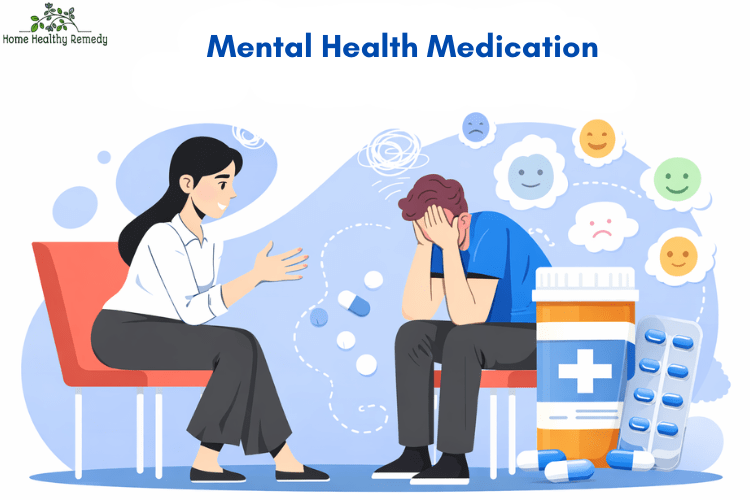
Despite growing awareness about mental health, stigma around taking medication for conditions like depression and anxiety still persists. Many people hesitate to seek treatment because they fear being judged, labeled, or misunderstood. Some believe that needing medication is a sign of weakness or personal failure, when in reality, mental health conditions are medical issues—just like diabetes, asthma, or high blood pressure. No one questions the need for insulin or heart medication, yet antidepressants and other psychiatric treatments are often unfairly criticized.
This stigma can prevent individuals from getting the help they truly need. Untreated depression and anxiety can affect relationships, work performance, physical health, and overall quality of life. Mental health medications, when prescribed and monitored by a qualified healthcare professional, are evidence-based tools designed to restore chemical balance in the brain and reduce symptoms that interfere with daily functioning. They are not “quick fixes” or personality-altering drugs, but part of a comprehensive treatment plan that may also include therapy, lifestyle changes, and social support.
Breaking the stigma begins with open conversations and education. When people share their experiences honestly, it normalizes treatment and encourages others to seek help without shame. Employers, schools, families, and communities all play a role in fostering acceptance and compassion. Viewing mental health medication as a legitimate and responsible healthcare choice—rather than something to hide—empowers individuals to prioritize their well-being. Ultimately, seeking treatment is not a sign of weakness; it is an act of courage and self-care.
Do Antidepressants Really Numb Your Emotions?
One of the most common concerns people have before starting antidepressants is the fear that these medications will “numb” their emotions or make them feel like a different person. While some individuals report feeling emotionally blunted, this is not the typical experience for most patients. Antidepressants are designed to regulate brain chemicals such as serotonin, dopamine, and norepinephrine—neurotransmitters that influence mood, sleep, and emotional stability. Their primary goal is to reduce overwhelming feelings of sadness, anxiety, or hopelessness, not to eliminate emotions altogether.
In some cases, particularly during the early stages of treatment or with certain types of medication, people may notice a temporary reduction in emotional intensity. This can feel like dullness or detachment. However, for many individuals struggling with severe depression, this effect can actually be a relief, as it softens extreme lows and creates space for healing. It’s also important to understand that dosage plays a significant role. If emotional blunting occurs, healthcare providers can often adjust the dosage or switch medications to better suit the individual’s needs.
Research shows that when properly prescribed and monitored, antidepressants help restore emotional balance rather than suppress it. Many patients report feeling more like themselves—not less—once their symptoms improve. Open communication with a doctor is key. If emotional changes feel uncomfortable or concerning, adjustments can usually be made to ensure treatment supports both mental health and overall well-being.
Why Antidepressants Take Time to Show Results
Antidepressants do not work instantly because they gradually influence complex chemical processes in the brain. Most antidepressant medications, such as selective serotonin reuptake inhibitors (SSRIs) and serotonin-norepinephrine reuptake inhibitors (SNRIs), adjust the levels of neurotransmitters like serotonin and norepinephrine. While these chemical changes begin within hours of taking the first dose, the improvement in mood, energy, and motivation typically takes longer—often two to six weeks. This delay occurs because the brain needs time to adapt to these changes and build new neural connections that support emotional balance and resilience.
Depression itself is not caused by a simple “chemical imbalance,” but rather a combination of biological, psychological, and environmental factors. Antidepressants help regulate mood by enhancing communication between brain cells and promoting neuroplasticity—the brain’s ability to reorganize and heal. Over time, this can reduce symptoms such as persistent sadness, fatigue, sleep disturbances, and difficulty concentrating.
It’s also important to understand that early in treatment, some people may notice mild side effects before experiencing benefits. This can feel discouraging, but stopping medication too soon may prevent it from working effectively. Healthcare providers usually recommend giving the medication several weeks before evaluating its full impact. Patience, consistent use as prescribed, and open communication with a doctor are key to achieving the best possible results from antidepressant treatment.
How Doctors Safely Manage Starting and Stopping Medication
When it comes to antidepressants, doctors follow careful, evidence-based guidelines to ensure both safety and effectiveness. Before prescribing medication, a healthcare provider conducts a thorough evaluation, which may include discussing symptoms, medical history, current medications, lifestyle factors, and any previous mental health treatments. This helps determine the most appropriate type of antidepressant and dosage for the individual. Doctors typically start with a low dose and gradually increase it if needed, allowing the body time to adjust while minimizing potential side effects.
During these visits, doctors monitor symptom improvement, side effects, mood changes, sleep patterns, and overall functioning. Adjustments may be made depending on how well the medication is working. This personalized approach ensures that treatment remains both safe and effective over time.
Stopping antidepressants is also carefully managed. Doctors generally recommend a gradual tapering schedule rather than abruptly discontinuing the medication. Slowly reducing the dose helps prevent withdrawal-like symptoms, sometimes referred to as discontinuation syndrome, which can include dizziness, irritability, headaches, or flu-like symptoms. The tapering timeline varies depending on the specific medication, dosage, and how long it has been used.
Common Side Effects vs. Serious Risks: What You Should Know
When starting antidepressants, it’s important to understand the difference between common side effects and serious risks. Most people experience mild, temporary symptoms as their body adjusts to the medication. These effects usually improve within a few weeks and are manageable under a doctor’s supervision.
Common Side Effects (Usually Mild & Temporary)
- Headaches that gradually decrease over time
- Sleep changes, including drowsiness or insomnia
- Dry mouth or mild dizziness
- Changes in appetite or weight
- Sexual side effects, such as reduced libido
Serious Risks (Seek Medical Help Immediately):
- Severe mood changes, including increased anxiety or agitation
- Suicidal thoughts, particularly in young adults during early treatment
- Allergic reactions, such as rash, swelling, or difficulty breathing
- Serotonin syndrome, marked by confusion, rapid heartbeat, and high fever
The key is open communication with your healthcare provider. Never stop medication abruptly without medical guidance, as this can cause withdrawal-like symptoms. Understanding the balance between manageable side effects and rare risks helps reduce fear and encourages informed decisions about mental health treatment.
Frequently Asked Questions (FAQs)
1. How long do antidepressants take to work?
Most antidepressants take 2 to 6 weeks to show noticeable improvement. Some symptoms like sleep or appetite may improve sooner, while mood changes can take longer.
2. Are antidepressants addictive?
No, antidepressants are not considered addictive. However, stopping them suddenly can cause temporary withdrawal-like symptoms, so doctors recommend gradual tapering.
3. Will antidepressants change my personality?
Antidepressants are designed to help restore emotional balance — not change who you are. Most people feel more like themselves, not less.
4. Do I have to take antidepressants forever?
Not necessarily. Treatment length depends on your condition, severity, and medical history. Some people take them for several months, while others may need longer-term support.
5. What are the most common side effects?
Common side effects include nausea, headaches, sleep changes, dry mouth, and sexual side effects. These are often mild and temporary.
6. Are antidepressants safe for teenagers?
They can be prescribed to teens, but require close monitoring, especially during the first few weeks of treatment.
Final Thoughts
Misconceptions about antidepressants often create unnecessary fear and prevent people from seeking the help they truly need. While no medication is perfect, antidepressants have helped millions manage depression, anxiety, and other mood disorders safely and effectively. The key is understanding the difference between myths and medical facts.
It’s important to remember that antidepressants are not a “quick fix,” nor are they a sign of weakness. They are simply one of many evidence-based treatment options available for mental health conditions. When prescribed and monitored by a qualified healthcare professional, they can play a valuable role in restoring emotional balance and improving overall quality of life.
Open communication with your doctor, patience during the adjustment period, and awareness of possible side effects all contribute to a safer and more positive experience. In many cases, combining medication with therapy, healthy lifestyle habits, and strong social support leads to the best results.

Natural home remedies, skincare secrets, dental & eye health tips, and real product reviews to help you stay healthy the natural way.