

Introduction
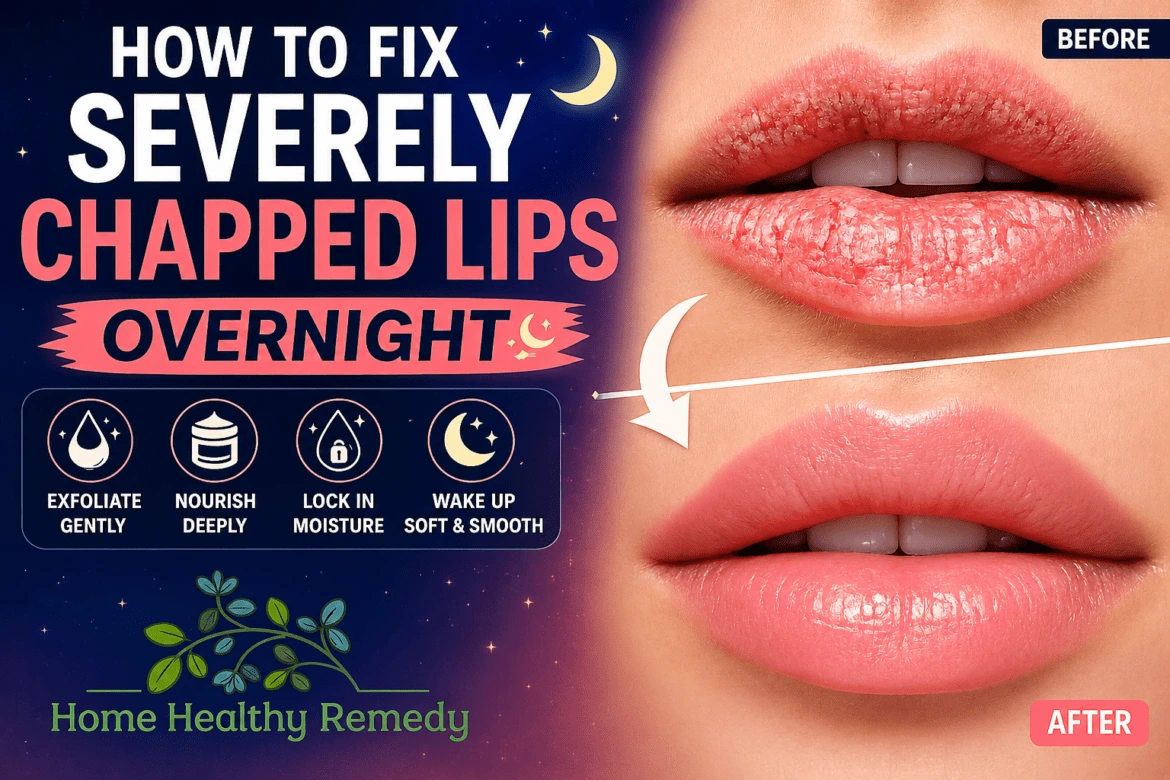
If you have ever woken up with painfully dry, peeling, or bleeding lips, you know how frustrating chapped lips can be. They sting when you eat, crack when you smile, and seem to get worse no matter what you try. The good news is that you do not have to live with the discomfort. With the right combination of home remedies and targeted overnight treatments, you can wake up to softer, smoother, healthier lips — sometimes in as little as 24 hours.
Chapped lips are one of the most common skin complaints worldwide, affecting people of every age, gender, and climate. Whether your dry lips are triggered by cold winter air, sun damage, dehydration, or even cold and flu symptoms, the healing process follows the same principles. In this comprehensive guide, you will learn exactly why your lips crack and peel, what works to heal them overnight, which home remedies are truly effective, and how to prevent the problem from coming back.
This post covers everything — from the science behind lip skin to the best overnight treatments, DIY scrubs, and medical-grade solutions — all designed to help you get rid of chapped lips fast. We will also walk you through a detailed pros and cons table so you can choose the best treatment for your situation.
Let’s get started.
What Are Chapped Lips? Understanding the Basics
Chapped lips, medically referred to as cheilitis, occur when the delicate skin on your lips becomes dry, cracked, flaky, or sore. Unlike the rest of your facial skin, your lip skin is extremely thin — it has no sweat glands and very few oil (sebaceous) glands. This means your lips have almost no natural defense against moisture loss. They rely entirely on external factors, such as the products you apply and the amount of water you drink, to stay hydrated.
The result? Lips are one of the first parts of your body to show dehydration, exposure to harsh elements, or nutritional imbalances. When the lip barrier breaks down, you experience that familiar tight, dry, peeling sensation that we all recognize as chapped lips.
What makes the condition particularly bothersome is the cycle it creates. Chapped lips feel uncomfortable, so people instinctively lick them. But saliva contains digestive enzymes that actually break down the thin lip barrier further, making chapped-lips worse — not better. Breaking this cycle is the first step toward healing.
Why Do Chapped Lips Happen? Common Causes
Understanding the root cause of your chapped lips is key to choosing the right treatment. Here are the most well-documented triggers:
1. Cold Weather and Dry Air
Cold air holds less moisture than warm air. In winter, both outdoor cold and indoor heating strip moisture from your lips rapidly. This is the most classic reason people develop severely chapped-lips during autumn and winter months.
2. Sun Exposure (UV Damage)
The sun is just as damaging to lips as it is to skin. UV rays break down the thin lip skin, leading to sunburned, swollen, and peeling lips — a form of chapped-lips that many people overlook. Always wear an SPF lip balm when outdoors.
3. Dehydration
When your body is dehydrated, your skin — including your lips — is one of the first places to show it. Not drinking enough water is a leading cause of persistent chapped-lips that does not resolve no matter how much balm you apply.
4. Lip Licking
As mentioned, saliva dries out your lips more than it moisturizes them. The enzymes in saliva begin breaking down skin tissue, making chapped-lips a self-perpetuating problem for habitual lip-lickers.
5. Cold and Flu Symptoms
This is an often-overlooked trigger. When you have a cold or flu, nasal congestion forces you to breathe through your mouth. Constant mouth breathing dries out your lips dramatically. Additionally, fever causes general dehydration that worsens chapped-lips significantly. The combination of blocked nose, fever, and constant tissue use around the nose area makes cold and flu symptoms one of the most common contributors to severely dry and sore lips during illness. Applying a nourishing lip balm as part of your sick-day care routine can make a real difference in comfort and healing speed.
6. Nutritional Deficiencies
Deficiencies in vitamins B2 (riboflavin), B6, B12, iron, and zinc can cause persistent chapped-lips that do not heal with standard balms. If your lips are constantly chapped year-round without obvious environmental triggers, a blood test may reveal the underlying deficiency.
7. Allergic Reactions and Irritants
Certain ingredients in lipsticks, glosses, toothpastes (especially those with sodium lauryl sulfate), mouthwashes, and even some foods can trigger an allergic contact reaction on the lips. This presents as chapped-lips with redness, swelling, and persistent peeling.
8. Medications
Some prescription medications, including retinoids, diuretics, antihistamines, and chemotherapy agents, cause severe dryness as a side effect — including severely chapped-lips.
9. Mouth Breathing (Including During Illness)
Whether caused by a stuffy nose from cold and flu symptoms or simply a habit during sleep, breathing through your mouth dries out the delicate lip tissue and is a major but underappreciated cause of waking up with chapped-lips every morning.
10. Hormonal Changes
Hormonal fluctuations during menstruation, pregnancy, or menopause can affect skin hydration levels, making chapped-lips more frequent during these phases.
Symptoms of Severely Chapped Lips
Mild chapped lips feel dry and slightly tight. But when the condition is severe, symptoms can escalate significantly. Here is what to watch for:
- Dry, flaky, or peeling skin on the lips
- Cracking or fissures, especially at the lip corners
- Redness and swelling around the lip area
- Soreness, tenderness, or pain when eating or speaking
- Bleeding cracks (especially in the center of the lower lip)
- A burning or stinging sensation when eating citrus, spicy, or salty foods
- Tight, shrunken feeling even after applying balm
- Crusting or scabbing over the lip surface
If you experience white patches, persistent ulcers, or chapped lips that do not heal within 2–3 weeks despite consistent care, see a dermatologist. These symptoms may indicate a more serious condition such as angular cheilitis, actinic cheilitis, or even an autoimmune disorder.
How to Fix Severely Chapped Lips Overnight: Step-by-Step
Here is an actionable overnight routine you can start tonight. Consistency is everything — follow these steps every evening until your chapped lips are fully healed.
Step 1: Hydrate Before Bed
Drink at least one to two glasses of water before you sleep. Lip skin reflects your overall hydration level, and you cannot moisturize your way out of dehydration. Internal hydration is foundational to healing chapped lips overnight.
Step 2: Gently Exfoliate (Only If Safe to Do So)
If your lips are flaking but not cracked or bleeding, a gentle exfoliation removes the dead skin layer that prevents balms from penetrating. Use one of the following:
- A soft, damp toothbrush — gently circular motions for 30 seconds
- A homemade sugar scrub (1 teaspoon sugar + 1 teaspoon honey + a few drops of coconut oil)
Important: Do NOT exfoliate if your lips are cracked, bleeding, or infected. Exfoliation on broken skin causes further damage and can introduce bacteria.
Step 3: Apply a Thick Overnight Treatment
After exfoliating (or if your lips are too tender to exfoliate, skip to this step directly), apply a thick, occlusive overnight treatment. The best options are:
- Pure petroleum jelly (Vaseline): The gold standard for sealing moisture in and protecting damaged lip skin overnight
- Thick coconut oil layer: Anti-inflammatory, antibacterial, and deeply moisturizing — ideal for healing chapped lips naturally
- Castor oil: Thick and viscous; excellent for forming a protective barrier on severely dry lips
- Medical-grade lip ointments (such as Aquaphor Lip Repair): Contain petrolatum, shea butter, and vitamins for accelerated healing
- Overnight lip masks containing hyaluronic acid, peptides, or ceramides for deeper repair
Apply generously — do not just swipe lightly. For severely chapped lips, you want a thick coating that stays on all night.
Step 4: Use a Humidifier in Your Bedroom
Running a humidifier while you sleep adds moisture to the air, which significantly reduces overnight lip dryness — especially in winter when indoor heating dries the environment. This is one of the simplest, most effective changes you can make to prevent and heal chapped lips consistently.
Step 5: Sleep on Your Back
Sleeping face-down can expose your lips to pillow friction and dry air circulation, undoing your overnight treatment. Try to sleep on your back to keep the lip treatment in place throughout the night.
Home Remedies for Chapped Lips That Actually Work
Home remedies have been used for generations to treat chapped lips, and modern dermatology has confirmed the effectiveness of several kitchen-cabinet ingredients. Here are the best evidence-backed home remedies to heal and nourish dry, cracked lips:
1. Coconut Oil
Coconut oil is arguably the most versatile of all home remedies for chapped-lips. It contains medium-chain fatty acids that deeply penetrate the thin lip skin, providing both immediate hydration and long-term moisture retention. Its natural anti-inflammatory and antibacterial properties also help prevent infection in cracked lips. Apply pure, organic coconut oil with a clean finger or cotton swab up to four times a day.
2. Honey
Raw honey is a powerhouse ingredient for chapped-lips. It is a natural humectant — it draws moisture from the air and holds it against your skin. Honey also has powerful antibacterial properties that can prevent cracked lip skin from becoming infected. Apply a layer of raw honey to your lips for 10–15 minutes, then rinse off gently. For an intensive overnight treatment, combine honey with coconut oil and leave it on all night.
3. Aloe Vera
Aloe vera gel contains enzymes, vitamins, and anti-inflammatory compounds that make it one of the most soothing home remedies for irritated chapped-lips. It is particularly effective when lips are sunburned, red, or inflamed. Apply fresh aloe vera gel (from a leaf) or pure store-bought organic gel two to three times a day. Because aloe vera has mild exfoliating enzymes, limit use to no more than three applications daily.
4. Castor Oil
Castor oil is unusually thick and viscous, making it excellent for coating severely chapped-lips with a lasting protective barrier. It also has humectant properties that pull moisture into the skin. Castor oil is a common ingredient in professional lip care products for good reason — mix it with a few drops of peppermint oil for a pleasant-feeling overnight treatment.
5. Sugar Lip Scrub
Making a DIY lip scrub is one of the simplest home remedies for chapped-lips with flaking skin. Combine one tablespoon of sugar (or sea salt) with one tablespoon of honey or coconut oil. Gently massage the scrub onto your lips in small circular motions for about one minute, then rinse or wipe away. Follow immediately with a thick moisturizer. Use this scrub once every two to three days — not daily.
6. Cucumber Slices
Cucumber has a high water content and cooling, anti-inflammatory properties. Pressing a slice of cucumber against your lips for five to ten minutes can soothe burning, chapped-lips and add temporary hydration. This is a particularly gentle home remedy for very sensitive or inflamed lip skin.
7. Green Tea Bags
Green tea is rich in tannins and antioxidants. A warm (not hot) used green tea bag pressed gently against chapped-lips for five minutes can reduce inflammation and provide temporary relief. The gentle warmth also softens hardened, flaking skin.
8. Vitamin E Oil
Breaking open a vitamin E capsule and applying the oil directly to chapped-lips is a well-loved home remedy that is backed by dermatological evidence. Vitamin E accelerates skin cell regeneration, reduces oxidative damage, and forms a thin protective barrier on cracked lip skin. Apply at night for best results.
9. Shea Butter
Pure shea butter is packed with fatty acids and vitamins A and E. It creates an occlusive layer on the lips that locks in moisture for hours — making it one of the most effective natural home remedies for severely chapped-lips that feel rough and tight all day.
10. Ghee (Clarified Butter)
In traditional Ayurvedic medicine, ghee has long been used on chapped-lips as a natural emollient. Its rich lipid profile closely mirrors the natural oils in healthy skin, making it easy for lip tissue to absorb. Apply a small amount at night before bed.
Chapped Lips and Cold and Flu Symptoms: The Hidden Connection
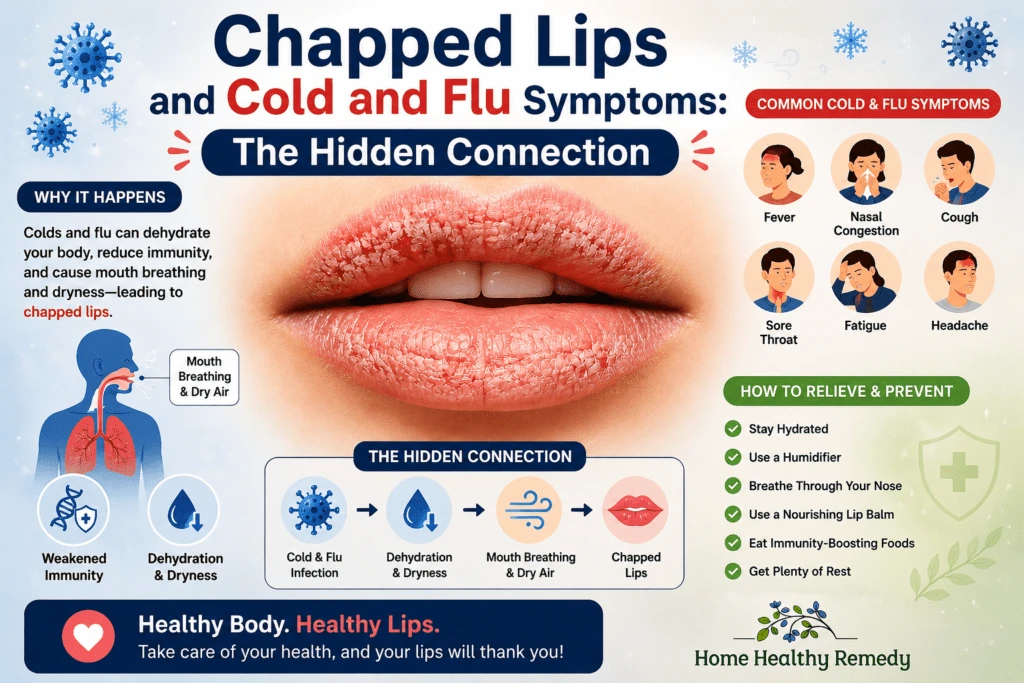
Many people notice that their lips become dramatically worse during illness — and there are very real reasons why cold and flu symptoms and severely chapped lips go hand-in-hand.
When nasal congestion from cold and flu symptoms forces you to breathe through your mouth, the continuous airflow across your lips evaporates moisture rapidly. Fever adds another layer of dehydration, pulling fluids from every tissue in your body, including the delicate skin of your lips. Antihistamines and decongestants used to treat cold and flu symptoms are also notorious for causing dry mouth and lips as side effects.
During illness, it is easy to forget basic lip care when you are focused on recovering. But protecting your lips during a cold or flu actually reduces discomfort significantly — sore, cracked lips make it harder to eat, drink, and recover.
Tips for managing chapped lips during cold and flu symptoms:
- Apply a thick lip balm every hour during the day
- Use a cool-mist humidifier in your bedroom and recovery space
- Increase your water intake substantially — aim for eight to ten glasses per day
- Avoid mouth breathing when possible by using saline nasal spray to reduce congestion
- Apply petroleum jelly or coconut oil before bed for overnight repair
- Avoid wiping your lips with tissues (which are often very drying and irritating to already chapped lips)
Taking care of chapped lips is not vanity during illness — it is a genuine comfort measure that supports overall recovery.
What Ingredients Should You Look for in a Lip Balm?
Not all lip balms are created equal. For healing severely chapped lips, look for products containing:
Healing and Moisturizing Ingredients:
- Petroleum jelly / petrolatum (best occlusive agent)
- Shea butter
- Beeswax
- Dimethicone
- Hyaluronic acid
- Ceramides
Natural Oil Options:
- Coconut oil
- Castor oil
- Sweet almond oil
- Jojoba oil
Vitamins:
- Vitamin E (tocopherol)
- Vitamin C
- Vitamin A (in small amounts)
Protective:
- SPF 30 or higher (zinc oxide or titanium dioxide)
Avoid products with these irritating ingredients:
- Fragrance or artificial flavors
- Menthol, camphor, or eucalyptus (feel refreshing but are drying long-term)
- Phenol
- Salicylic acid (on broken, cracked lips)
- Cinnamon or citrus oils
Pros and Cons of Common Chapped Lips Treatments
| Treatment | Pros | Cons |
| Petroleum Jelly (Vaseline) | Best-in-class occlusive barrier; seals moisture effectively; inexpensive; widely available; fragrance-free | Does not add moisture on its own — needs to be applied over hydrated lips; feels greasy; may not appeal cosmetically |
| Coconut Oil | Natural; anti-inflammatory; antibacterial; pleasant texture; doubles as a makeup remover | Can go rancid; may trigger acne in some people if transferred to facial skin; shorter-lasting than petroleum jelly |
| Honey | Natural humectant; antibacterial; healing; gentle enough for sensitive lips | Sticky; needs to be rinsed off; not ideal for use on-the-go; raw honey can cause reactions in rare cases |
| Aloe Vera Gel | Soothing and anti-inflammatory; great for sunburned lips; light texture | Mild exfoliating enzymes limit use to 2–3 times/day; not as occlusive as oil-based treatments |
| Sugar Lip Scrub | Removes dead skin effectively; improves balm absorption; easy to DIY | Should NOT be used on broken, cracked, or bleeding lips; overuse can cause micro-abrasions |
| Medical Lip Ointments (Aquaphor, etc.) | Clinically proven; combines petroleum jelly with vitamins; fast healing | Slightly more expensive than plain petroleum jelly; may still contain some sensitizing additives |
| Overnight Lip Masks (Laneige, etc.) | Luxurious texture; hyaluronic acid and peptides for deep repair; stays on well overnight | Expensive; may contain fragrance or flavors that irritate some users; results vary by brand |
| SPF Lip Balm | Prevents sun-induced chapping; essential for outdoor use | SPF chemicals (oxybenzone) can cause reactions in sensitive individuals; needs frequent reapplication |
| Vitamin E Oil | Accelerates healing; antioxidant protection; skin regeneration | Can feel very heavy; high-concentration versions may cause breakouts on surrounding skin |
| Humidifier | Addresses root cause (dry air); improves overall skin hydration; no topical side effects | Requires maintenance (regular cleaning to prevent mold); upfront cost; only helpful indoors |
| Shea Butter | Rich in natural fatty acids; very nourishing; longer-lasting than lighter oils | Heavier texture; may feel too thick for daytime use; quality varies widely by brand |
| DIY Castor Oil Treatment | Thick, long-lasting barrier; excellent for overnight use | Very thick texture; can be difficult to spread; distinct smell some users find unpleasant |
When to See a Doctor About Chapped Lips
Most cases of chapped lips resolve within one to two weeks with consistent home care. However, you should consult a dermatologist or primary care physician if:
- Your chapped lips have not improved after two to three weeks of consistent treatment
- You have persistent swelling, white patches, or ulcers that do not heal
- The corners of your mouth are cracked and oozing (this may indicate angular cheilitis, which requires antifungal or antibiotic treatment)
- You suspect an allergic reaction to a product
- You experience chapped lips alongside other systemic symptoms (fatigue, hair loss, mouth sores) that may suggest a nutritional deficiency or autoimmune condition
- Your lips are severely swollen, as this could indicate an allergic reaction requiring medical attention
Your doctor may perform allergy testing, a skin biopsy, or blood tests to rule out underlying conditions like anemia, thyroid dysfunction, or inflammatory bowel disease — all of which can cause chronic chapped lips.
How to Prevent Chapped Lips Year-Round
Prevention is far easier than treatment. Here is how to keep your lips healthy in every season:
Daily Habits:
- Drink at least eight glasses of water daily — dehydration is the number one preventable cause of chapped lips
- Apply an SPF lip balm every morning, even in winter (the sun reflects off snow and can burn chapped lips badly)
- Never leave the house in cold, windy weather without lip protection
- Breathe through your nose whenever possible
- Avoid touching, licking, picking, or biting your lips
Nighttime Routine:
- Apply a thick emollient (petroleum jelly or coconut oil) every night before sleep as a simple, effective prevention habit
- Run a humidifier in your bedroom during dry months
Diet and Nutrition:
- Eat a balanced diet rich in B vitamins, iron, and zinc to prevent nutritional deficiency-related chapped lips
- Foods like lean meat, eggs, leafy greens, nuts, and seeds support healthy skin — including lip skin
Seasonal Adjustments:
- Switch to heavier, richer lip balms in winter
- Use lighter SPF formulas in summer
- During cold and flu symptoms season (autumn and winter), keep a dedicated lip balm with you at all times and apply frequently when you are unwell
The Best Products for Overnight Chapped Lips Repair
Based on dermatologist recommendations and consumer evidence, these are among the best products for fixing severely chapped-lips overnight:
- Aquaphor Lip Repair — Contains petrolatum, shea butter, and chamomile essence. One of the most recommended products by dermatologists for chapped-lips.
- Vaseline Petroleum Jelly — The simplest, purest occlusive option. Apply thickly over hydrated lips for maximum overnight repair.
- Laneige Lip Sleeping Mask — A popular overnight lip mask containing hyaluronic acid and berry antioxidant complex. Beloved for texture and results.
- Burt’s Bees Overnight Intensive Lip Treatment — Natural ingredients including sweet almond oil and rosehip seed oil; fragrance-free.
- CeraVe Healing Ointment — Ceramide-enriched; excellent for very sensitive or atopic skin prone to chapped-lips.
- Blistex Medicated Lip Ointment — Useful during cold and flu symptoms when lips are severely chapped and sore; contains analgesic properties for pain relief.
- Pure Organic Coconut Oil — Best natural option among home remedies; effective, inexpensive, and multipurpose.
Frequently Asked Questions About Chapped Lips
Q: How long does it take to heal severely chapped lips overnight?
With consistent treatment (thick occlusive balm, hydration, and humidifier), mild-to-moderate chapped-lips can show significant improvement after just one night. Severely cracked lips typically take three to seven days of consistent nightly treatment to fully heal.
Q: Can chapped lips be a sign of illness?
Yes. Persistent chapped-lips can indicate dehydration, vitamin deficiency, thyroid disorders, autoimmune diseases, or skin conditions like eczema. Cold and flu symptoms also frequently cause severely dry, cracked lips due to mouth breathing, fever, and dehydration.
Q: Is it bad to peel the skin off chapped lips?
Yes. Picking or peeling skin off chapped-lips causes deeper cracks, potential bleeding, and increases the risk of infection. Always exfoliate gently with a scrub rather than picking.
Q: Can you use Vaseline on severely chapped lips every night?
Absolutely. Petroleum jelly is one of the safest, most effective treatments for chapped-lips and is recommended by dermatologists as a nightly occlusive treatment. It has no known side effects on the lips.
Q: Are chapped lips contagious?
No. Chapped-lips caused by dryness, environment, or dehydration are not contagious. However, cold sores (caused by the herpes simplex virus) can look similar and ARE contagious — it is important to know the difference.
Q: Does drinking more water cure chapped lips?
Hydration is necessary but not always sufficient on its own. You also need a barrier treatment (lip balm or occlusive) to prevent moisture from evaporating. Think of water as the fuel and lip balm as the seal.
5 Big Resource Sites for Further Reading on Chapped Lips
For evidence-based, expert-reviewed information on chapped-lips, these five authoritative resources are the most reliable:
- Cleveland Clinic — my.clevelandclinic.org One of the most trusted medical institutions in the United States, Cleveland Clinic provides a comprehensive, medically reviewed overview of cheilitis and chapped-lips — including causes, symptoms, diagnosis, and treatment options.
- Healthline — healthline.com Healthline is one of the most visited health information websites in the world. Their articles on home remedies for chapped-lips are written and reviewed by registered nurses and medical professionals, providing practical, actionable advice.
- American Academy of Dermatology (AAD) — aad.org The AAD is the leading professional organization for dermatologists in the US. Their patient-facing guidelines on healing dry, chapped-lips are among the most authoritative sources available on the topic.
- WebMD — webmd.com WebMD covers chapped-lips in the context of cold and flu symptoms and overall wellness, offering medically reviewed guidance on managing lip care during illness and in everyday life.
- Neosporin / Johnson & Johnson — neosporin.com Neosporin’s consumer health resources provide product-agnostic information on causes and remedies for chapped-lips, including the clinical evidence behind their overnight lip repair products.
Quick Summary Checklist: Fix Chapped Lips Tonight
✅ Drink 1–2 extra glasses of water before bed
✅ Gently exfoliate with a sugar scrub (only if lips are not cracked or bleeding)
✅ Apply a thick layer of petroleum jelly, coconut oil, or an overnight lip mask
✅ Turn on a humidifier in your bedroom
✅ Stop licking, picking, or biting your lips — starting right now
✅ Sleep on your back to prevent pillow friction
✅ In the morning, apply an SPF lip balm before going outside
✅ Repeat every night until chapped-lips are fully healed
Conclusion
Chapped-lips are uncomfortable, frustrating, and surprisingly stubborn — but they are also highly treatable. Whether your dry, cracked lips are caused by cold winter air, sun exposure, dehydration, nutritional gaps, or the drying effects of cold and flu symptoms, the right combination of home remedies, overnight treatments, and lifestyle changes can deliver visible results fast.
The most important takeaway from this guide is that fixing severely chapped-lips overnight requires a two-pronged approach: internal hydration (drinking enough water) combined with an external barrier treatment (petroleum jelly, coconut oil, or a quality overnight lip mask). Without both, neither alone will produce lasting results.
Start your overnight routine tonight. Be consistent for at least three to five days, and you will notice a significant improvement. For chronic or unexplained chapped-lips, do not hesitate to consult a dermatologist — your lips may be trying to tell you something important about your overall health.
Soft, healthy, healed lips are closer than you think.
Medically supported by research from Cleveland Clinic, Healthline, American Academy of Dermatology, WebMD, and Neosporin health resources.

Natural home remedies, skincare secrets, dental & eye health tips, and real product reviews to help you stay healthy the natural way.