

Introduction
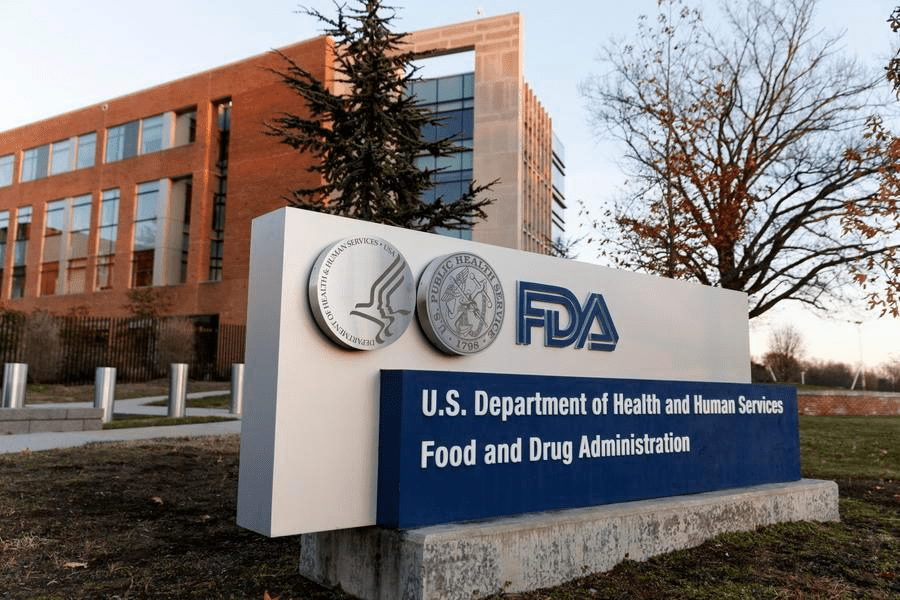
Children’s Ibuprofen Recall: If you have young children at home and rely on over-the-counter fever or pain relief medicines, this is an update you should not overlook. In March 2026, the U.S. Food and Drug Administration (FDA) announced a nationwide recall of nearly 90,000 bottles of Children’s Ibuprofen Oral Suspension, a commonly used liquid medication for kids aged 2 to 11. The recall followed reports from consumers who discovered unusual contamination inside the bottles, including a gel-like substance and small black particles present in the medicine given to children.
The scale of this recall — 89,592 bottles distributed across the entire United States — means there is a real possibility that the contaminated product is sitting in homes, schools, daycares, or pediatric clinics right now. The recall has been covered by some of the biggest names in American media, including CBS News, NBC Chicago, the TODAY Show, Fox Business, Newsweek, Fast Company, and the Mercury News, each bringing their own perspective to the story.
This article brings together everything that is currently known: what the recall is, who is responsible, which specific bottles are affected, what the health risks are, what the major media and legal outlets are saying, and most importantly — what you as a parent or caregiver need to do right now.
1. What Is This Recall? The Full Story
According to the FDA’s enforcement report, this recall involves Children’s Ibuprofen Oral Suspension USP, 100 mg per 5 mL, sold in 4-fluid-ounce (120 mL) bottles. The official recall number is D-0390-2026. The trouble began when multiple consumers started filing complaints reporting that their bottles contained what appeared to be a gel-like mass and black particles — foreign material with no place in a liquid medicine meant for children.
This was not a labeling error or a packaging mix-up. It was a direct contamination issue — a fundamental quality control failure in a product designed to be swallowed by young children. When a parent pours a spoonful of ibuprofen for their sick child and hands it to them, the last thing they expect is that the liquid might contain an unknown gel substance or dark particles. That is exactly what happened here.
According to NBC Chicago, the voluntary recall was first initiated on March 2, 2026, by the manufacturer, Strides Pharma Inc. Two weeks later, on March 16, 2026, the FDA formally classified it as a Class II recall — the agency’s official designation for a product that may cause temporary or reversible health consequences, with a remote probability of serious harm.
2. Who Is Responsible? Strides Pharma and Taro Pharmaceuticals
Two companies are at the center of this recall, and understanding both is important to understanding how a contaminated children’s medicine ended up on store shelves across the country.
• Strides Pharma Inc. — An India-headquartered pharmaceutical manufacturer that specializes in generic and over-the-counter drugs. Its U.S. subsidiary is based in Bridgewater, New Jersey, and it was this subsidiary that initiated the voluntary recall. Strides is a major supplier of generic medicines to the U.S. market and operates large-scale manufacturing facilities in India.
• Taro Pharmaceuticals USA Inc. — Based in Hawthorne, New York, Taro is the company for which Strides manufactured this product. The children’s ibuprofen was sold under Taro’s branding in the U.S. market, making Taro the face of the product that consumers purchased.
Fox Business confirmed that the affected product was manufactured by Strides Pharma for Taro Pharmaceuticals USA and was distributed nationwide across the United States. Perhaps most troubling, as Mercury News reported, neither Strides Pharma nor Taro Pharmaceuticals responded to reporters’ requests for comment. Today.com also sought a statement from Strides Pharma, and similarly received no response. This silence from both companies in the face of a public health recall involving children’s medicine has drawn significant criticism from consumer advocates and legal analysts.
3. Which Bottles Are Affected? Critical Details to Check Now
The following details are what you need to check on your bottle immediately. Every piece of information below matters:
• Product Name: Children’s Ibuprofen Oral Suspension, USP
• Strength: 100 mg per 5 mL
• Bottle Size: 4 FL OZ (120 mL)
• Flavor: Berry
• Affected Lot Numbers: 7261973A and 7261974A
• Expiration Date: January 31, 2027
• FDA Recall Number: D-0390-2026
The lot number is typically printed on the label of the bottle or on the outer packaging. CBS News reported that this product is specifically intended for children aged 2 to 11. If your bottle matches either of these lot numbers, stop using it immediately, regardless of whether you have noticed anything unusual about the liquid inside.
Important clarification: If your bottle of Children’s Ibuprofen does NOT carry one of the two affected lot numbers, it is not part of this recall. The recall applies only to these specific production batches, not to all children’s ibuprofen products on the market.
4. What Does ‘Class II Recall’ Actually Mean?
The FDA uses a three-tier classification system for recalls, and understanding where this one falls is important for assessing the level of risk. Fast Company’s coverage offered a clear breakdown of the system:
• Class I (Most Serious): There is a reasonable probability that using the product will cause serious adverse health consequences or death.
• Class II (This Recall): Use of the product may cause temporary or medically reversible adverse health consequences. The probability of serious harm is remote.
• Class III (Least Serious): Use of the product is unlikely to cause any adverse health consequences.
Newsweek noted in its coverage that the FDA described the probability of serious harm from this product as “remote.” However, The Lyon Firm — a product liability law practice that has closely analyzed this case — raised an important counterpoint: remote risk and no risk are not the same thing, particularly when the product is being given to young children who may have underlying health conditions, allergies, or sensitivities that could amplify a reaction to an unknown foreign substance.
A Class II classification means this recall deserves serious attention, not reassurance. The appropriate response is to stop using the product immediately and consult a healthcare provider if your child has already consumed it.
5. Black Particles and Gel-Like Mass — What Are the Real Health Risks?
The FDA’s official recall notice has not publicly disclosed the chemical identity of the gel-like mass or black particles found in the bottles. This lack of transparency about the nature of the contaminant is itself a source of concern among health analysts. However, based on the physical description of the foreign material, The Lyon Firm outlined a range of potential health risks in its detailed analysis of the case:
• Choking hazard: A gel-like mass or larger particles in a liquid could pose a choking risk, particularly in younger children in the 2-to-4 age range.
• Allergic reactions: An unidentified substance could trigger an allergic response in children with sensitivities, potentially ranging from mild skin reactions to more severe symptoms.
• Gastrointestinal distress: Consuming foreign particles may cause stomach pain, nausea, vomiting, or diarrhea.
• Other adverse effects: Depending on the composition of the contaminant — which remains publicly undisclosed — additional health consequences cannot be ruled out.
Newsweek specifically noted that the FDA’s report does not explain how the foreign material entered the product — whether the contamination occurred during the manufacturing process, in storage, during packaging, or at some other point in the supply chain. NBC Chicago’s coverage similarly flagged that the exact number of consumer complaints and whether any injuries have been reported remains publicly unclear.
6. What the Major Media Outlets Are Saying
CBS News
CBS News was among the first major outlets to cover the recall with factual, consumer-focused reporting. Their coverage confirmed the product is intended for children aged 2 to 11 and is sold in a berry flavor. CBS directed parents and caregivers who suspect their child may have consumed the recalled medicine to contact a healthcare provider immediately, and pointed readers toward the FDA’s MedWatch safety reporting system for adverse events. The outlet provided clear, actionable guidance without sensationalizing the risk level. Source: cbsnews.com
NBC Chicago
NBC Chicago’s reporting was notable for raising transparency concerns that other outlets glossed over. Specifically, their reporters flagged that the FDA’s public notice did not disclose the total number of consumer complaints received, did not confirm whether any children had been injured, and did not explain the source of the contamination. This absence of clarity is a legitimate concern for families trying to make informed decisions. NBC Chicago also confirmed the March 2 initiation date and March 16 FDA classification date. Source: nbcchicago.com
Today.com (NBC / TODAY Show)
The TODAY Show’s digital team covered the recall with a parent-friendly tone, emphasizing practical safety steps over technical regulatory detail. Their reporters reached out to Strides Pharma for comment and received no response — a fact they reported directly, putting a spotlight on the manufacturer’s silence. Today.com’s coverage was consistent with its audience of parents and family-focused readers, focusing on reassurance alongside action steps: check the lot number, stop use if affected, and call the doctor if your child has already taken the medicine. Source: today.com
Fox Business
Fox Business approached the recall from a consumer and economic news angle, confirming the key facts: 89,592 bottles, nationwide distribution, and Class II classification. The outlet advised parents to consult a doctor if they have concerns about their child after consuming the recalled product. Fox Business was one of the outlets to clearly identify both Strides Pharma as the manufacturer and Taro Pharmaceuticals USA as the distributing company, which helped consumers understand the supply chain behind the product they had purchased. Source: foxbusiness.com
Newsweek
Newsweek produced one of the most detailed reports on the recall, including the exact lot numbers, the FDA’s Class II definition, and the precise expiration date of the affected bottles. Their article also made a notable editorial disclosure: Newsweek acknowledged that its reporter used an AI assistant named “Martyn” in the production of the story. This transparency about AI involvement in journalism is unusual and drew some discussion in media circles. On the substance, Newsweek’s coverage was thorough and directed consumers to both the MedWatch reporting portal and healthcare providers. Source: newsweek.com
Fast Company
Fast Company’s coverage stood out for its clean, FAQ-driven structure — a format well-suited to its digitally savvy, business-minded readership. Their piece answered questions like “Which brand is affected?”, “What are the lot numbers?”, and “What should I do?” in a scannable format that makes it easy for busy parents to quickly find the information most relevant to them. Fast Company also helped contextualize the FDA recall classification system for readers who might not be familiar with how Class II fits into the broader regulatory framework. Source: fastcompany.com
Mercury News
The Mercury News, a major Bay Area publication, added geographic and corporate context to the story. Their coverage specifically identified Strides Pharma as a company that produces generic and OTC drugs for multiple international markets — not just the U.S. — which situates this recall within a broader global pharmaceutical supply chain. They also confirmed that both Strides Pharma and Taro Pharmaceuticals declined to respond to media inquiries, a detail that reinforces accountability concerns about how the contamination occurred and why neither company has offered a public explanation. Source: mercurynews.com
The Lyon Firm (Legal & Consumer Safety Analysis)
The Lyon Firm, a law firm focused on pharmaceutical recalls, stated that this case highlights ongoing quality control issues among overseas drug manufacturers supplying the U.S. They emphasized that parents trust medicines to be safe, and this recall has broken that trust. The firm also warned that a Class II recall is not risk-free, especially for children with health conditions, and advised families to document issues and seek legal advice if adverse effects occur.
Green Matters
Green Matters contributed useful consumer-protection context, noting that recall procedures typically involve consumers being directed to return the product to the place of purchase for a refund. Their reporting cited MedlinePlus guidance reassuring parents that when properly dosed, children’s ibuprofen is a safe and effective medication — helping to prevent unnecessary panic about the drug class itself, as distinct from these specific contaminated batches. Source: greenmatters.com
7. A Broader Pattern: Overseas Manufacturing and U.S. Drug Safety
This recall does not exist in isolation. It is part of a documented pattern of quality control failures in pharmaceuticals manufactured overseas — primarily in India and China — for the U.S. market. The FDA has issued numerous recalls in recent years involving generic and OTC drugs made at foreign facilities, citing issues ranging from contamination to subpotency to mislabeling.
Strides Pharma operates large manufacturing plants in India and has previously supplied to the U.S. market under several product names. When a company manufactures drugs thousands of miles away from the consumers who will use them, maintaining rigorous quality control at every step of the process — raw material sourcing, mixing, filling, packaging, and storage — becomes exponentially more challenging. Regulatory oversight of overseas facilities by the FDA, while existent, is not as frequent or intensive as for domestic manufacturers.
The Lyon Firm’s analysis specifically called out this systemic issue, arguing that the recall is not simply a one-time failure by a single company, but rather a symptom of a pharmaceutical supply chain that sometimes prioritizes cost efficiency over safety rigor. Consumer advocates have long argued that the U.S. should strengthen its inspection and accountability standards for drugs manufactured abroad — and recalls like this one tend to reignite that debate.
8. What Should Parents and Caregivers Do Right Now? A Step-by-Step Guide
Drawing from guidance provided by CBS News, WCNC, Today.com, Green Matters, and the FDA itself, here is a clear, actionable checklist for every parent and caregiver:
• STEP 1 — Go check your medicine cabinet right now: Find your bottle of Children’s Ibuprofen Oral Suspension and look at the lot number printed on the label or packaging. If it reads 7261973A or 7261974A with an expiration date of January 31, 2027, the bottle is part of this recall. Stop using it immediately.
• STEP 2 — Do not throw the bottle away yet: Keep the bottle and its original packaging, including any receipts. This documentation may be needed for a refund, a formal complaint, or — if your child was harmed — a legal claim.
• STEP 3 — Contact your child’s doctor if they have consumed the recalled product: Whether or not you notice any symptoms, it is advisable to inform your child’s pediatrician that they may have ingested medicine from a recalled batch. This is especially important for children with allergies, gastrointestinal sensitivities, or other underlying health conditions.
• STEP 4 — Report any adverse events to the FDA: If your child experienced any unusual symptoms — vomiting, allergic reactions, stomach pain, or anything else that seemed out of the ordinary — report it through the FDA’s MedWatch safety reporting system at fda.gov/safety/medwatch.
• STEP 5 — Return the product for a refund: Green Matters noted that recalls typically allow consumers to return the product to the store where it was purchased for a full refund. Contact the retailer directly.
• STEP 6 — If your child was harmed, consider legal counsel: The Lyon Firm and other product liability attorneys have noted that if a child suffered a documentable adverse health consequence from the recalled product, affected families have the right to consult a pharmaceutical product liability lawyer.
9. Why Children’s Ibuprofen Matters — Context for Parents
Ibuprofen is a nonsteroidal anti-inflammatory drug (NSAID) and one of the most commonly used medicines for children in the United States. It is typically used to reduce fever and relieve mild to moderate pain — from earaches and headaches to the discomfort of a cold or flu. The liquid suspension form is designed specifically for younger children who cannot swallow tablets, and the berry flavor is intended to make the medicine easier to administer.
Green Matters, citing MedlinePlus, was careful to note that children’s ibuprofen — when dosed correctly according to a child’s age and weight — is a safe and effective medication. This recall is not a condemnation of ibuprofen as a drug class. It is a recall of specific batches of a contaminated product. Parents should not avoid giving their children ibuprofen in the future; they should simply ensure they are using a product that is not part of this recall.
The broader point is that children rely on their caregivers — and their caregivers rely on manufacturers and regulators — to ensure that the medicines they take are safe. When that chain of trust breaks down, as it has here, the consequences fall on the most vulnerable members of the population.
10. The Accountability Gap: Why Are Both Companies Silent?
One of the most striking aspects of this recall — beyond the contamination itself — is the complete silence of both Strides Pharma and Taro Pharmaceuticals in response to media inquiries. Multiple major outlets, including Mercury News, Today.com, and NBC Chicago, reached out to both companies for comment and received nothing in return.
The FDA, for its part, has not publicly explained where the foreign particles came from, how many consumer complaints were received before the recall was initiated, or whether any child has been harmed. This information vacuum makes it difficult for parents to make fully informed decisions and for the public to hold the responsible parties accountable.
The Lyon Firm has framed this silence as a failure of corporate responsibility. In a recall involving a product intended for children, the bare minimum that consumers deserve is an explanation: what happened, why it happened, and what is being done to ensure it never happens again. Neither Strides Pharma nor Taro Pharmaceuticals has provided any of that.
11. Complete Timeline of Events
• Late 2025: Affected batches (lot numbers 7261973A and 7261974A) manufactured by Strides Pharma and distributed across the U.S. under Taro Pharmaceuticals branding.
• Early 2026: Multiple consumers file complaints with Strides Pharma reporting gel-like masses and black particles in their children’s ibuprofen bottles.
• March 2, 2026: Strides Pharma Inc. voluntarily initiates the recall of 89,592 bottles.
• March 16, 2026: The FDA formally classifies the recall as Class II.
• March 19–21, 2026: Nationwide media coverage breaks across CBS News, NBC Chicago, Today Show, Fox Business, Newsweek, Fast Company, Mercury News, WCNC, PIX11, Green Matters, and The Lyon Firm.
Conclusion
The recall of nearly 90,000 bottles of Children’s Ibuprofen Oral Suspension is a serious public health event that deserves the attention it is receiving from major media outlets across the country. While the FDA’s Class II classification suggests the probability of serious harm is remote, the combination of an unidentified contaminant, a product intended for young children, and the complete silence of the responsible manufacturers makes this a situation that warrants caution, not complacency.
The most important thing you can do right now is simple: check your medicine cabinet. If your bottle carries lot number 7261973A or 7261974A with an expiration date of January 31, 2027, set it aside, contact your child’s doctor if they have consumed it, and report any adverse effects to the FDA. Everything else — accountability, regulatory reform, legal action — will unfold over time. Your child’s safety comes first.
Share this article with every parent, grandparent, and caregiver in your circle. One share could prevent one child from being harmed.
Sources
• 1. FDA Official Enforcement Report — https://www.fda.gov (Recall #D-0390-2026)
• 2. CBS News — https://www.cbsnews.com/news/childrens-ibuprofen-recall-90000-bottles-fda/
• 3. NBC Chicago — https://www.nbcchicago.com/news/local/nearly-90000-bottles-of-childrens-oral-ibuprofen-recalled-what-to-know/3910733/
• 4. Today.com (NBC / TODAY Show) — https://www.today.com/health/recall/childrens-ibuprofen-recall-rcna264359
• 5. Fox Business — https://www.foxbusiness.com/economy/bottles-childrens-ibuprofen-recalled-nationwide-fda-says
• 6. Newsweek — https://www.newsweek.com/childrens-ibuprofen-recall-fda-amazon-taro-pharmaceuticals-11704366
• 7. Fast Company — https://www.fastcompany.com/91512782/childrens-ibuprofen-recall-2026-what-brand-product-list-update
• 8. Mercury News — https://www.mercurynews.com/2026/03/20/childrens-medicine-recall/
• 9. WCNC Charlotte — https://www.wcnc.com/article/news/nation-world/nearly-90000-bottles-childrens-ibuprofen-recalled-nationwide/
• 10. The Lyon Firm — https://thelyonfirm.com/blog/childrens-ibuprofen-recall-2026-legal-rights/
• 11. Green Matters — https://www.greenmatters.com/news/childrens-ibuprofen-recall-2026
12. PIX11 New York — https://pix11.com/news/local-news/ibuprofen-distribute
📌 Editor’s Note / Disclaimer
This article is published on Home Health Remedy for informational and public awareness purposes only.
All facts, figures, and details presented in this article are sourced directly from verified and credible news outlets and official regulatory bodies, including:
- U.S. Food and Drug Administration (FDA) — fda.gov
- CBS News — cbsnews.com
- NBC Chicago — nbcchicago.com
- Today.com (NBC / TODAY Show) — today.com
- Fox Business — foxbusiness.com
- Newsweek — newsweek.com
- Fast Company — fastcompany.com
- Mercury News — mercurynews.com
- WCNC Charlotte — wcnc.com
- The Lyon Firm — thelyonfirm.com
- Green Matters — greenmatters.com
- PIX11 New York — pix11.com
This article does not constitute medical or legal advice. Readers are strongly encouraged to consult a qualified healthcare professional for any medical concerns related to this recall. For official recall information, please refer directly to the FDA’s website at fda.gov.
Home Health Remedy is committed to sharing accurate, research-backed health information to help families make informed decisions.
I now use home remedies like turmeric tea and ginger every day. These simple, plant-based solutions help my body heal itself. Nature gives us all we need to stay healthy, without complicated formulas.