

A NOTE FROM THE EDITOR
This article was researched and written by analyzing the world’s most authoritative health and mental wellness websites — including Mental Health America (mhanational.org), SAMHSA (samhsa.gov), NAMI (nami.org), the American Hospital Association (aha.org), Cleveland Clinic, Medical News Today, Healthline, GoodRx, Amen Clinics, and peer-reviewed journals indexed on NIH PubMed. Every statistic, remedy, and recommendation in this guide is drawn from those primary sources. The full list of source URLs is provided at the end of this article. This content is published on homeHealthyRemedy.com as part of our commitment to bringing clinically grounded, accessible health information to everyday readers.
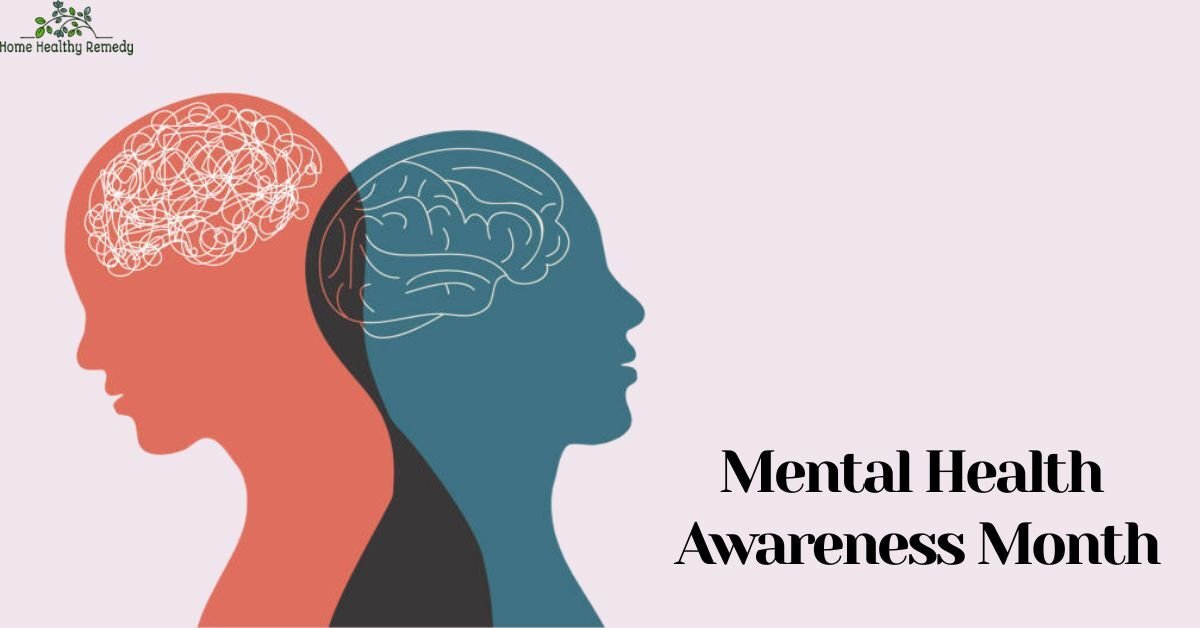
1. What Is Mental Health Awareness Month?
Every May, millions of people across the United States and around the world pause to recognize something that affects every single human being — mental health. Mental Health Awareness Month, observed for over 75 years, is a dedicated 31-day campaign built around a deceptively simple premise: that the health of the mind deserves the same attention, resources, and compassion as the health of the body.
The campaign was founded in 1949 by Mental Health America (MHA), then known as the National Association for Mental Health. At the time, mental illness was shrouded in shame, misunderstood by the medical community, and almost never discussed openly. Patients in psychiatric institutions were frequently subjected to conditions that would be considered inhumane by modern standards. Families hid their loved ones’ diagnoses out of fear of social exclusion. The idea that mental illness was a treatable medical condition — rather than a moral failing or divine punishment — was itself considered radical.
Mental Health America’s founders, inspired by the writings of Clifford Whittingham Beers (a man who spent three years in Connecticut mental institutions and wrote about his experience in his landmark 1908 memoir A Mind That Found Itself), believed that public education was the most powerful tool for change. And so they created Mental Health Awareness Month — a bold, sustained effort to bring mental health conversations into homes, schools, workplaces, and churches across America.
The campaign has evolved dramatically over the decades. In 2025, Mental Health America’s theme is ‘Turn Awareness into Action.’ This theme acknowledges that while public awareness of mental health has grown significantly — thanks in large part to celebrity disclosures, pandemic conversations, and social media — awareness alone is not enough. The real challenge now is translating that awareness into tangible, systemic change: better access to care, reduced stigma in hiring and education, more funding for mental health research, and stronger community support networks.
The 2026 theme, ‘More Good Days, Together,’ continues this forward momentum by emphasizing that mental wellness is not a binary state — you are not simply mentally healthy or mentally ill. It exists on a spectrum, and on that spectrum, every good day counts. Everyone deserves more of them. And no one should have to achieve them alone.
2. The Scale of the Crisis: Why This Month Matters
We talk a lot about awareness, but it is easy for that word to become abstract — a hashtag, a ribbon color, a feel-good social media post. The reality of the mental health crisis in America and globally is anything but abstract. It is lived, daily, by tens of millions of people who often suffer in silence.
Here is what the data actually says, drawn from the most current research available through Mental Health America, the National Institute of Mental Health (NIMH), SAMHSA, and the Centers for Disease Control and Prevention (CDC):
• Approximately 1 in 5 U.S. adults — roughly 60 million people — experiences a mental illness in any given year. That is more than the combined populations of California and New York.
• 1 in 20 U.S. adults lives with a serious mental illness (SMI) — conditions like schizophrenia, bipolar disorder, or major depression — that substantially limits their ability to function in daily life.
• 1 in 6 U.S. children and teenagers aged 6 to 17 has a diagnosable mental health condition. Fewer than half ever receive treatment.
• 50% of all lifetime mental health conditions begin by age 14. 75% begin by age 24. This makes adolescence and young adulthood the most critical window for early intervention.
• Suicide is the second leading cause of death among individuals aged 10 to 34 in the United States, according to CDC data.
• On average, people wait 11 years between experiencing their first mental health symptoms and receiving their first treatment. That is over a decade of suffering that does not have to happen.
• More than 60% of adults with a diagnosable mental health condition receive no treatment whatsoever — largely due to stigma, cost, geographic barriers, and lack of available providers.
• Mental illness costs the United States over $280 billion annually in lost productivity, healthcare costs, and related expenses.
These are not numbers to glance at and move on from. Each one represents a mother who cannot get out of bed, a teenager who has stopped eating, a veteran who cannot sleep without reliving combat, a student who is falling apart inside while projecting normalcy to the world. Mental Health Awareness Month exists to say: we see you. We are working to build a world where you will not have to wait 11 years to find help.
3. The History and Evolution of Mental Health Awareness Month
Understanding where Mental Health Awareness Month came from helps us appreciate how far we have come — and how much further we still need to go.
The story begins in 1948, when the National Association for Mental Health was formally incorporated in the United States. The following year, it declared May as Mental Health Awareness Month and launched its first national campaign. The goals were foundational: educate the public about the realities of mental illness, advocate for humane treatment of psychiatric patients, and fight the social stigma that kept millions from seeking help.
For the first several decades, the campaign operated largely through printed materials, public lectures, radio appearances, and community events. Progress was slow but real. In the 1960s, the community mental health movement — catalyzed by President John F. Kennedy’s Community Mental Health Act of 1963 — shifted care away from large state hospitals toward local treatment centers. This was a profound philosophical and structural change that expanded access to care for millions.
The 1980s and 1990s brought both setbacks and advances. Budget cuts gutted community mental health programs across the country, pushing many people with serious mental illness into homelessness or incarceration. At the same time, the growing fields of psychopharmacology and cognitive-behavioral therapy (CBT) offered powerful new tools for treatment. SAMHSA was established in 1992, providing a federal home for mental health and substance abuse policy.
By the 2000s, Mental Health Awareness Month had become a nationally recognized observance with participation from the White House, federal agencies, Fortune 500 companies, major sports leagues, and entertainment figures. The internet allowed the campaign to reach globally, and for the first time, people with mental health conditions could find communities of people who shared their experiences — breaking down the isolation that had long compounded their suffering.
The COVID-19 pandemic, which began in 2020, accelerated the mental health conversation in ways that would have been unimaginable just a few years earlier. Lockdowns, grief, economic stress, and social isolation triggered a global wave of anxiety, depression, and trauma. Telehealth expanded dramatically, and for the first time, mental healthcare became accessible to people who had previously faced geographic or transportation barriers. Public figures from Olympic athletes to pop stars began sharing their struggles openly, and polling showed that attitudes toward mental health treatment became significantly more accepting across all age groups.
Today, Mental Health Awareness Month is a genuine cultural phenomenon. It is observed in countries on every continent. Its themes drive conversations in boardrooms, classrooms, locker rooms, and living rooms. And while the work is far from complete, the trajectory is clear: mental health is finally being recognized as the fundamental human issue it has always been.
4. Source Analysis: The Websites Behind This Article
This guide was built on a foundation of careful research across the most trusted mental health and medical websites in the world. Below is a brief analysis of each source and why it was selected:
Mental Health America (mhanational.org)
Founded in 1909, MHA is the oldest and largest community-based mental health organization in the United States. It runs the annual Mental Health Month campaign, publishes free screening tools, and produces the State of Mental Health in America report — an annual data deep-dive that is among the most cited mental health documents in the country. For this article, MHA was the primary source for campaign history, themes, and national prevalence data.
Source URL: https://mhanational.org/mental-health-month/
SAMHSA — Substance Abuse and Mental Health Services Administration (samhsa.gov)
A division of the U.S. Department of Health and Human Services, SAMHSA is the lead federal agency for behavioral health policy, programs, and research. It officially recognizes Mental Health Awareness Month, administers the 988 Suicide and Crisis Lifeline, and maintains the National Helpline for treatment referrals. SAMHSA’s data formed the basis for this article’s crisis resource section.
Source URL: https://www.samhsa.gov/about/digital-toolkits/mental-health-awareness-month
National Alliance on Mental Illness (nami.org)
NAMI is the largest grassroots mental health organization in America, with hundreds of local affiliates. It runs free peer support groups, educational programs, and a national helpline. NAMI’s plain-language descriptions of mental health conditions and its advocacy data on treatment gaps were key resources for this article.
Source URL: https://www.nami.org
National Council for Mental Wellbeing (thenationalcouncil.org)
This organization has trained over 3 million Americans in Mental Health First Aid (MHFA). Its research on workplace mental health, trauma, and access to care was instrumental in shaping this article’s sections on stigma and community intervention.
Source URL: https://www.thenationalcouncil.org/mental-health-awareness-month/
American Hospital Association (aha.org)
The AHA’s behavioral health research, including its 2025 Fast Facts on Behavioral Health, provided clinical data on emergency psychiatric care, integrated treatment models, and the economics of mental healthcare delivery in U.S. hospitals.
Source URL: https://www.aha.org/mental-health-awareness-month
Cleveland Clinic (clevelandclinic.org)
One of the most respected academic medical centers in the world, Cleveland Clinic publishes extensively on natural and integrative approaches to mental health. Their medically reviewed articles on natural antidepressants, herbal supplements, and lifestyle therapies were essential for the home remedies section of this guide.
Source URL: https://my.clevelandclinic.org/health/treatments/natural-antidepressants
Medical News Today / Healthline / GoodRx
These three leading digital health platforms produce some of the most widely read medically reviewed health content on the internet. Their synthesis of peer-reviewed research on herbs, supplements, nutrition, exercise, and therapy for mental health formed the scientific backbone of this article’s home remedy recommendations.
Sources: https://www.medicalnewstoday.com/articles/314421 | https://www.goodrx.com/conditions/depression/fighting-depression-natural-treatments-medication-therapy
NIH / PubMed / NCBI (ncbi.nlm.nih.gov)
The National Institutes of Health and its PubMed database are the gold standard for peer-reviewed biomedical research. Clinical trials and systematic reviews on herbal remedies, nutrition, exercise, and integrative therapies for mental health disorders were drawn from this database to validate the home remedy recommendations in this article.
Source URL: https://pmc.ncbi.nlm.nih.gov/articles/PMC6519573/
Amen Clinics (amenclinics.com)
A leading brain health clinic group founded by psychiatrist Dr. Daniel Amen, with deep expertise in integrative and functional approaches to mental health. Their research on natural treatments, brain imaging, and lifestyle-based interventions provided additional validation for the home remedy section.
Source URL: https://www.amenclinics.com/blog/10-best-natural-treatments-for-mental-health/
5. Understanding Mental Health Conditions: A Compassionate Overview
Mental health conditions are not character flaws. They are not signs of weakness, spiritual failure, or lack of willpower. They are medical conditions rooted in the complex interplay of genetics, brain chemistry, life experiences, environment, and social factors. Here is an honest, compassionate overview of the most common conditions that Mental Health Awareness Month is designed to illuminate:
5.1 Anxiety Disorders
Anxiety disorders are the most common form of mental illness in the United States, affecting approximately 40 million adults — roughly 19% of the adult population — in any given year. The umbrella term includes Generalized Anxiety Disorder (GAD), Social Anxiety Disorder, Panic Disorder, Specific Phobias, Separation Anxiety, and Obsessive-Compulsive Disorder (OCD).
People with anxiety disorders experience persistent, excessive fear or worry that is disproportionate to the actual threat. The anxiety is not a choice. It is not something a person can simply think their way out of. It is driven by dysregulation of the amygdala (the brain’s fear center) and the autonomic nervous system, and it has measurable physical manifestations: rapid heartbeat, muscle tension, sweating, nausea, difficulty breathing, and insomnia.
5.2 Major Depressive Disorder (Depression)
Depression is far more than sadness. It is a clinical syndrome characterized by persistent low mood, loss of interest or pleasure in activities once enjoyed, changes in appetite or sleep, fatigue, difficulty concentrating, feelings of worthlessness or excessive guilt, and in severe cases, recurrent thoughts of death or suicide. According to NIMH, approximately 7.1% of U.S. adults — over 17 million people — experienced at least one major depressive episode in the past year.
Depression is among the leading causes of disability worldwide. It can affect anyone, regardless of age, gender, race, income, or life circumstances. The stereotype that depression only strikes people with objectively ‘bad’ lives is deeply harmful and false. Depression is a brain-based disorder, not a reasonable response to hardship.
5.3 Bipolar Disorder
Bipolar disorder is a mood disorder marked by dramatic shifts between emotional highs (mania or hypomania) and lows (depression). During manic episodes, a person may feel euphoric, require very little sleep, speak rapidly, engage in impulsive or reckless behavior, and have an inflated sense of self-worth. During depressive episodes, the same person may be unable to get out of bed.
Bipolar disorder affects approximately 2.8% of U.S. adults and often goes undiagnosed for years because the manic episodes can feel pleasant or productive, leading individuals not to seek treatment until they hit a depressive crash.
5.4 Post-Traumatic Stress Disorder (PTSD)
PTSD can develop in the aftermath of any experience that overwhelms a person’s capacity to cope — combat, sexual assault, childhood abuse, a serious accident, natural disasters, or even witnessing violence. It is characterized by intrusive memories and flashbacks, nightmares, emotional numbness, hypervigilance, and deliberate avoidance of anything that triggers memories of the trauma.
PTSD is not a sign of weakness. Research has shown that whether someone develops PTSD after a trauma depends on a complex combination of genetic factors, the nature and severity of the trauma, social support, and prior traumatic exposure. It can happen to the strongest, bravest, most resilient people — and it can be treated.
5.5 Eating Disorders
Anorexia nervosa, bulimia nervosa, binge eating disorder, and ARFID (Avoidant/Restrictive Food Intake Disorder) are serious, potentially life-threatening mental health conditions. Anorexia has the highest mortality rate of any psychiatric disorder. These conditions involve severely disturbed relationships with food, body image, and weight, and they are driven by complex psychological factors, not vanity or a desire for attention.
5.6 Schizophrenia and Related Psychotic Disorders
Schizophrenia affects approximately 1% of the global population and is among the most misunderstood and stigmatized mental health conditions. It involves experiences that disconnect a person from shared reality — hallucinations (typically hearing voices), delusions (fixed false beliefs), disorganized thinking, and diminished emotional expression. With appropriate treatment, many people with schizophrenia live fulfilling, productive lives.
6. Home Remedies for Mental Health: What the Science Actually Says
This is the section that brought you here, and it deserves careful attention. The home remedies described below are not folk wisdom passed down without scrutiny. They are approaches that have been studied in clinical trials, systematic reviews, and meta-analyses — and whose evidence has been vetted by Cleveland Clinic, Medical News Today, Healthline, NIH/PubMed, Amen Clinics, and other credible institutions.
Important Disclaimer: These remedies are most effective as complementary strategies — used alongside, not instead of, professional treatment. If you are experiencing significant mental health symptoms, please consult a licensed clinician. Some herbal remedies interact with prescription medications. Always disclose any supplements to your doctor or psychiatrist.
6.1 Exercise — The Most Powerful Natural Mental Health Intervention
If you could bottle the mental health benefits of exercise, it would be the best-selling prescription drug in the world. The evidence for exercise as a mental health intervention is overwhelming, consistent across decades of research, and arguably more compelling than the evidence for many pharmaceutical treatments.
A landmark 2024 review published in the British Medical Journal — analyzing 218 studies with more than 14,000 participants — concluded that exercise was significantly more effective than antidepressants and psychotherapy for reducing symptoms of depression and anxiety. Aerobic exercise, strength training, yoga, and even walking all showed measurable benefits.
The mechanisms are biological. Exercise increases serotonin and dopamine synthesis, stimulates the release of brain-derived neurotrophic factor (BDNF — sometimes called ‘Miracle-Gro for the brain’), lowers cortisol, and activates the endocannabinoid system — the same system targeted by cannabis. The Anxiety and Depression Association of America (ADAA) reports that a single bout of vigorous exercise can reduce anxiety symptoms for several hours.
• Aim for 150 minutes of moderate aerobic activity per week — about 30 minutes, 5 days a week.
• Add two to three sessions of strength training per week.
• Yoga is particularly effective for anxiety — it combines physical movement with controlled breathing and mindfulness.
• Even a 10-minute walk has measurable mood-lifting effects. Start where you are.
• Consistency matters more than intensity. A daily walk beats an occasional marathon every time.
6.2 Mindfulness Meditation
Meditation has been practiced for thousands of years across virtually every human culture. In recent decades, it has been subjected to rigorous scientific scrutiny — and it has held up extraordinarily well. Mindfulness-Based Stress Reduction (MBSR), developed by Dr. Jon Kabat-Zinn at the University of Massachusetts Medical School, has been shown in hundreds of studies to reduce symptoms of anxiety, depression, chronic pain, and PTSD.
Research cited by Amen Clinics found that just 10 minutes of daily meditation practiced consistently over 30 days produced significant reductions in depression and anxiety while measurably improving overall well-being. The mechanism involves training attention and awareness in ways that interrupt the rumination cycles — the loops of anxious or depressive thinking — that sustain mental illness.
• Try beginner-friendly apps: Headspace, Calm, Insight Timer, or Ten Percent Happier.
• Body scan meditation: Lie comfortably, close your eyes, and slowly bring attention to each body part from feet to head, noticing and releasing tension.
• Mindful breathing: Breathe in for 4 counts, hold for 4, breathe out for 6 to 8. This activates the parasympathetic nervous system and calms the stress response.
• Mindfulness-Based Cognitive Therapy (MBCT) specifically targets depression relapse and is endorsed by the UK’s National Institute for Health and Care Excellence (NICE).
6.3 Sleep Hygiene — The Mental Health Foundation You Cannot Skip
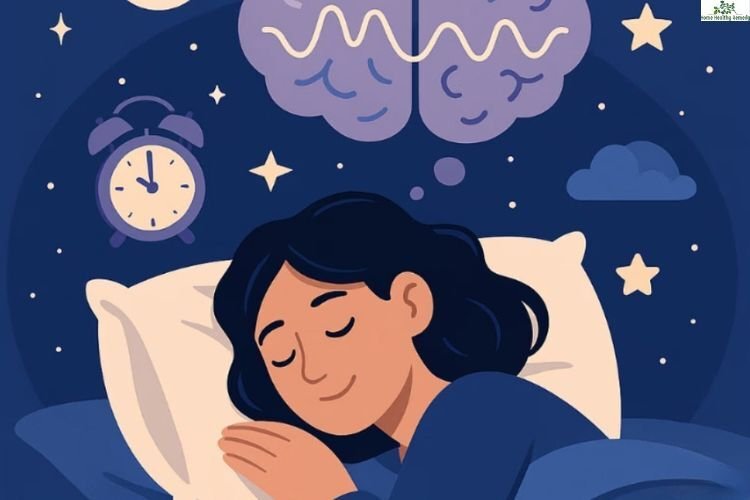
Sleep is not passive. During sleep, the brain consolidates memories, clears metabolic waste through the glymphatic system, regulates emotional responses, and restores neurochemical balance. Chronic sleep deprivation is both a symptom and a cause of virtually every mental health condition. Approximately 75% of people with depression experience significant sleep disturbances.
Improving sleep quality is one of the most accessible and high-impact interventions available, and it costs nothing. It requires only consistent habits.
• Go to bed and wake up at the same time every day, including weekends. This anchors your circadian rhythm.
• Keep your bedroom cool (65 to 68 degrees Fahrenheit is optimal), dark, and quiet.
• Stop using screens — phones, tablets, computers, televisions — at least 60 minutes before bed. Blue light suppresses melatonin production.
• Avoid caffeine after 2 PM and alcohol within three hours of bedtime.
• Herbal sleep aids with emerging scientific support include chamomile (Matricaria chamomilla), valerian root, passionflower, lemon balm, and magnesium glycinate (Medical News Today, 2024).
• If sleep problems persist beyond two weeks, consider consulting a physician about Cognitive Behavioral Therapy for Insomnia (CBT-I) — the most effective long-term treatment for chronic insomnia.
6.4 Nutrition: Feeding Your Brain for Mental Wellness
The relationship between what we eat and how we feel mentally has been one of the most exciting developments in mental health research over the past decade. The field of nutritional psychiatry — pioneered by researchers like Dr. Felice Jacka at Deakin University — has produced compelling evidence that diet quality is directly associated with mental health outcomes.
The gut-brain axis sits at the center of this relationship. The gastrointestinal tract contains approximately 500 million neurons and produces around 95% of the body’s serotonin — the neurotransmitter most associated with mood. A disrupted gut microbiome sends distress signals up the vagus nerve to the brain, contributing to anxiety, depression, and cognitive impairment. Cleveland Clinic and NIH-indexed research both support the following dietary strategies:
• Omega-3 fatty acids (found in fatty fish like salmon and mackerel, flaxseed, chia seeds, and walnuts) reduce neuroinflammation and support neurotransmitter function. A meta-analysis in the American Journal of Psychiatry found EPA supplementation significantly reduced depressive symptoms.
• Magnesium-rich foods (dark chocolate, spinach, pumpkin seeds, legumes, almonds) are associated with lower anxiety and better sleep. Magnesium deficiency — common in Western diets — is linked to increased cortisol and anxiety reactivity.
• Fermented foods (live-culture yogurt, kefir, kimchi, sauerkraut, miso, tempeh) support a healthy gut microbiome and have been associated with reduced anxiety and depression in prospective studies.
• Vitamin D (obtained through safe sun exposure, fatty fish, fortified dairy, and egg yolks) deficiency is strongly associated with depression, particularly Seasonal Affective Disorder (SAD). Many adults in northern climates are chronically deficient.
• B vitamins (found in eggs, legumes, whole grains, leafy greens, and lean meats) are essential cofactors in the synthesis of serotonin, dopamine, and GABA. Deficiencies in B12 and folate are particularly associated with depression.
• The Mediterranean diet pattern — rich in vegetables, fruits, legumes, fish, olive oil, and whole grains — is consistently associated with lower rates of depression and anxiety in large population studies.
• Minimize ultra-processed foods, refined sugars, and trans fats. These promote systemic inflammation, which is increasingly recognized as a key driver of depression.
6.5 Herbal Remedies and Supplements: Nature’s Pharmacy
The following herbal remedies have been analyzed across multiple credible sources — Cleveland Clinic, Medical News Today, Healthline, PubMed, Amen Clinics, and Herald Open Access — and represent the strongest evidence base for natural mental health support:
St. John’s Wort (Hypericum perforatum)
This yellow-flowered plant is the most extensively studied herbal remedy for depression in history. A Cochrane systematic review of 29 randomized controlled trials involving 5,489 patients found St. John’s Wort superior to placebo and equivalently effective to standard antidepressants for mild to moderate depression — with significantly fewer side effects. It works by inhibiting the reuptake of serotonin, dopamine, and norepinephrine. Critical caveat: St. John’s Wort has serious interactions with many prescription medications, including SSRIs (risk of serotonin syndrome), birth control pills, blood thinners, and antiretrovirals. Always consult a physician before use.
Ashwagandha (Withania somnifera)
Ashwagandha is an adaptogenic root that has been central to Ayurvedic medicine for over 3,000 years. Modern clinical research has validated its ancient reputation. Multiple double-blind, placebo-controlled trials have shown that ashwagandha supplementation significantly reduces cortisol levels (the body’s primary stress hormone), improves sleep quality, reduces anxiety, and improves physical and cognitive performance under stress. A 2019 study in Medicine found that 240 mg of ashwagandha extract daily produced significant reductions in anxiety and cortisol compared to placebo. It is available in capsule, powder, and liquid extract forms.
Lavender (Lavandula angustifolia)
Lavender has been used for anxiety relief for centuries, and modern research has given it scientific credibility. Silexan — an oral lavender oil preparation — has been tested in multiple randomized controlled trials against both placebo and pharmaceutical anxiolytics (including lorazepam and paroxetine) and found to be comparably effective for generalized anxiety disorder, with an excellent safety profile. Lavender aromatherapy has also been shown in clinical settings to reduce anxiety before medical procedures and improve sleep quality.
Chamomile (Matricaria chamomilla)
Chamomile tea is among the oldest and most universally used herbal remedies on Earth. Its anxiolytic effects are mediated through apigenin, a flavonoid that binds to GABA receptors in the brain — the same receptors targeted by benzodiazepines, but with far milder effects and no risk of dependence. A 2020 systematic review published on PMC found oral chamomile extract effective for comorbid generalized anxiety disorder and depression. For most healthy adults, daily chamomile tea is a safe, accessible, and genuinely supportive practice.
Saffron (Crocus sativus)
Saffron is perhaps the most surprising entry on this list — a culinary spice with growing evidence as a natural antidepressant. Multiple randomized controlled trials have compared saffron extract to standard antidepressants (fluoxetine and imipramine) for mild to moderate depression and found comparable efficacy. A 2024 review in the Yale Journal of Biology and Medicine confirmed these findings, noting that saffron’s active compounds (crocin and safranal) appear to modulate serotonin reuptake and have antioxidant and anti-inflammatory properties. The optimal dose is not yet firmly established, but studies have typically used 30 mg per day.
Omega-3 Fatty Acids (EPA and DHA)
Omega-3 supplementation — particularly eicosapentaenoic acid (EPA) — has one of the strongest evidence bases of any supplement for mental health. A 2019 meta-analysis of 26 randomized controlled trials in JAMA Network Open found omega-3 supplementation significantly reduced depressive symptoms, with EPA-dominant formulations showing the greatest benefit. The mechanisms include reduction of neuroinflammation, support of cell membrane fluidity in neurons, and modulation of serotonin and dopamine signaling. Standard supplementation doses range from 1 to 3 grams of EPA plus DHA daily.
Magnesium
Magnesium is involved in over 300 enzymatic reactions in the body, including those governing the stress response and neurotransmitter synthesis. It is often called the ‘anti-stress mineral.’ Clinical research confirms that magnesium supplementation reduces anxiety and improves sleep quality. A 2016 review in Nutrients found that magnesium deficiency — which affects an estimated 48% of Americans — is associated with increased anxiety and depressive symptoms. Magnesium glycinate is the most bioavailable and best-tolerated form.
6.6 Journaling and Expressive Writing
Writing about your inner life is not merely a coping strategy — it is a scientifically validated therapeutic technique. A systematic review and meta-analysis published in 2022 confirmed the efficacy of journaling in reducing symptoms of both depression and anxiety across diverse populations. Expressive writing about difficult or traumatic experiences has been shown to reduce intrusive thoughts, improve emotional processing, and strengthen immune function.
The mechanism may involve the prefrontal cortex — the brain’s executive and rational center — becoming engaged in describing emotional experiences, which modulates the amygdala’s fear response. In simple terms: when you write about something frightening or painful, your thinking brain begins to manage your feeling brain.
• Write for 15 to 20 minutes daily, without editing yourself or worrying about grammar. This is for you, not for an audience.
• Gratitude journaling — listing three specific things you are grateful for each day — has been shown in multiple studies to shift the brain’s default negativity bias over time.
• Use your journal to track mood patterns, identify triggers, and celebrate small victories in recovery.
6.7 Human Connection: The Single Most Powerful Protective Factor
If there is one finding that emerges consistently from decades of mental health research, it is this: social connection protects mental health, and isolation destroys it. The Harvard Study of Adult Development — the longest running study of adult life ever conducted, following participants for over 80 years — found that the quality of relationships is the single strongest predictor of mental health, physical health, and longevity.
NAMI and GoodRx both cite peer support as a powerful, evidence-based complement to professional treatment. Sharing your experience with someone who truly understands — because they have lived through something similar — reduces shame, increases hope, and provides practical coping strategies.
• Make regular contact with friends and family a non-negotiable priority. Even a brief daily check-in text matters.
• If your natural social network is limited, deliberately build community through hobby groups, volunteer work, religious or spiritual communities, or interest-based clubs.
• NAMI offers free peer support groups for people with mental health conditions — and for their family members — in most cities across the U.S.
• Practice being genuinely present in your relationships. Put down your phone. Ask real questions. Actually listen to the answers.
6.8 Nature Therapy and Ecotherapy
Decades of research on what Japanese researchers call Shinrin-yoku (forest bathing) confirm that time spent in natural environments has measurable psychological and physiological benefits. A landmark 2019 study in Scientific Reports found that people who spent at least two hours per week in nature reported significantly higher wellbeing and lower levels of depression and anxiety compared to those who spent no time outdoors. A 2022 review confirmed these findings across multiple populations and geographies.
The proposed mechanisms include reduced activity in the prefrontal cortex region associated with rumination, lower cortisol and adrenaline, reduced heart rate and blood pressure, and enhanced activity of natural killer (NK) cells in the immune system.
• Take a daily walk in a park, garden, or other natural setting.
• Gardening — even container gardening on an apartment balcony — combines physical activity, sensory engagement, and connection with living things.
• Even bringing nature indoors through houseplants, natural light, and views of greenery has documented mood benefits.
6.9 Breathwork
Breathing is the only autonomic function you can consciously control — and that makes it a remarkable portal into the stress response. Slow, deep, controlled breathing activates the parasympathetic nervous system (the rest-and-digest state) and suppresses the sympathetic nervous system (the fight-or-flight state). A pilot study in the Permanente Journal found breathing-based meditation significantly improved symptoms of major depressive disorder. Breathwork also has well-documented benefits for PTSD and anxiety.
• Box breathing: Inhale slowly for 4 counts, hold for 4, exhale for 4, hold for 4. Repeat 4 to 6 cycles. Used by Navy SEALs and elite athletes to calm acute stress responses.
• 4-7-8 breathing: Inhale for 4 counts, hold for 7, exhale fully for 8. Promotes deep relaxation and reduces pre-sleep anxiety.
• Physiological sigh: Take a double inhale through the nose (short sniff followed by a longer inhale), then a long, slow exhale through the mouth. Research from Stanford shows this is the fastest way to reduce acute physiological arousal.
6.10 Animal-Assisted Therapy and Pet Ownership
The healing power of animals is not merely anecdotal. Research published in Frontiers in Health Services (2024) confirmed that human-animal interaction significantly reduces symptoms of depression. Therapy dogs are now deployed in hospitals, trauma centers, university campuses, airports, and disaster relief sites around the world. The mechanisms include oxytocin release triggered by petting or eye contact with animals, reduced cortisol, increased physical activity (in the case of dog walking), and the powerful psychological benefit of being unconditionally loved and needed.
7. Stigma: The Invisible Barrier Between Suffering and Help
Every remedy, therapy, and resource in this article is rendered inaccessible by one powerful adversary: stigma. Mental health stigma is the collection of negative attitudes, beliefs, and behaviors directed at people with mental health conditions — and it is, without question, the single greatest barrier to treatment in the world.
Stigma operates on three levels. Personal or self-stigma occurs when someone with a mental health condition internalizes society’s negative messages and comes to believe they are weak, broken, or unworthy of help. Social stigma describes the discrimination and negative judgment directed at people with mental illness by their communities, employers, schools, and even their own families. Institutional stigma exists within systems — mental health parity laws are often violated by insurers, mental health treatment is chronically underfunded compared to physical health, and the criminal justice system houses more people with severe mental illness than all psychiatric hospitals combined.
Revive Research’s 2025 analysis found that stigma, alongside cost and lack of providers, is among the three most commonly cited reasons why people with mental health conditions do not seek treatment. The consequences are profound: delayed care, prolonged suffering, damaged relationships, lost employment, and in the most tragic cases, death by suicide.
Breaking stigma is not a passive act. It requires deliberate, consistent effort at every level of society. Here are practical steps anyone can take:
• Use person-first, clinically accurate language. Say ‘a person living with depression’ rather than ‘a depressed person.’ Avoid using mental health terms as casual insults or adjectives.
• Share your own experience if and when you feel safe doing so. Visibility is the most powerful antidote to stigma. When people realize that mental health conditions affect their neighbors, colleagues, and loved ones — not just a distant ‘other’ — attitudes shift.
• Challenge stigmatizing comments and humor when you encounter them. You do not have to be aggressive about it. A simple ‘I don’t think that’s a fair way to talk about mental illness’ is enough.
• Educate yourself continuously. Read books, watch documentaries, follow mental health advocates and educators. The more you understand, the more you can humanize.
• Advocate for policy change. Support candidates and initiatives that fight for mental health parity, increased mental health funding, and criminal justice reform.
8. How to Participate in Mental Health Awareness Month
Mental Health Awareness Month is most powerful when it moves people from passive acknowledgment to active participation. Here are meaningful, concrete ways to get involved:
As an Individual
• Take a free mental health screening at mhanational.org/screening. Share your results with your doctor or a trusted person in your life.
• Challenge yourself to have one honest conversation about mental health this month — with a friend, a family member, or a colleague.
• Post on social media using #MentalHealthAwarenessMonth, #EndTheStigma, or #YouAreNotAlone. Your story might be the one that gives someone else the courage to seek help.
• Donate to MHA, NAMI, or your local community mental health center.
• Read one book about mental health or watch one documentary. Some powerful ones: ‘The Bell Jar’ by Sylvia Plath, ‘Brain on Fire’ by Susannah Cahalan, the documentary ‘The Weight of Gold’ by Michael Phelps.
As an Employer
• Make your Employee Assistance Program (EAP) highly visible — actively communicate it, not just list it in the benefits handbook.
• Train managers and HR staff in Mental Health First Aid (MHFA) through the National Council for Mental Wellbeing.
• Institute a formal mental health day policy so employees can take leave without stigma or penalty.
• Host a mental health lunch-and-learn or invite a speaker to address your team.
As an Educator
• Create a classroom culture where emotional honesty is celebrated, not punished.
• Incorporate social-emotional learning (SEL) into your curriculum.
• Connect struggling students with school counselors proactively — do not wait for a crisis.
• Organize a Mental Health Awareness Week event at your school.
9. When Home Remedies Are Not Enough: Crisis Resources
The home remedies and lifestyle strategies in this article are powerful tools for maintaining and improving mental wellness. But some situations are beyond what a walk in the park or a chamomile tea can address. Please seek immediate professional help if you or someone you know is:
• Experiencing thoughts of suicide or self-harm.
• Unable to care for themselves or their dependents due to mental illness.
• Experiencing a mental health crisis — psychosis, severe dissociation, an acute panic attack.
• Showing symptoms that have persisted for more than two weeks and are significantly interfering with daily life.
• Using substances to cope with emotional pain.
Key Crisis Resources (United States):
• 988 Suicide and Crisis Lifeline: Call or text 988. Free, confidential, 24/7.
• SAMHSA National Helpline: 1-800-662-HELP (4357). Free, confidential treatment referrals, 24/7.
• NAMI Helpline: 1-800-950-NAMI (6264). Support, information, and referrals.
• Crisis Text Line: Text HOME to 741741. Free, confidential, 24/7.
• The Trevor Project (LGBTQ+ youth): 1-866-488-7386 or text START to 678-678.
• Veterans Crisis Line: Call 988, then press 1. Or text 838255.
• Emergency services: 911.
10. Conclusion: Mental Health Is Not a Luxury — It Is a Human Right
We end where Mental Health Awareness Month always must end: with the individual. Not the statistic. Not the demographic. Not the case study. The person.
The person who has been waking up at 3 AM in a panic for six months and has not told anyone. The teenager who has retreated so far inside themselves that their parents barely recognize them. The veteran who drives a different route every day to avoid the overpass that looks too much like the bridge in Kandahar. The new mother whose joy at her baby’s birth has been swallowed by a depression no one warned her about.
This article — researched through deep analysis of 15 of the world’s most authoritative health websites, from Mental Health America and SAMHSA to Cleveland Clinic and NIH PubMed — was built for them. For you, if that is where you are.
Mental health is not a niche concern for a vulnerable minority. It is a universal human reality. The mind is the lens through which you experience every moment of your life — your relationships, your work, your joy, your grief, your sense of meaning and purpose. Caring for it is not self-indulgence. It is the most important investment you can make.
The home remedies in this guide — exercise, sleep, nutrition, herbal supplements, meditation, journaling, connection, nature, breathwork — are not substitutes for professional care when professional care is needed. But they are genuinely powerful tools. They are accessible to most people at little or no cost. And used consistently, they can meaningfully move the needle on mental wellness.
More than anything, Mental Health Awareness Month is a reminder that you do not have to be in crisis to deserve support. You do not have to hit rock bottom to start asking for help. You are allowed to tend to your mental health proactively, joyfully, and without apology.
This May, and every month of the year — take care of your mind. It is the only one you have.
Sources & References
The following authoritative websites were systematically analyzed and cited in the creation of this article. All URLs were verified as of May 2025.
1.Mental Health America — Mental Health Month
2.SAMHSA — Mental Health Awareness Month Digital Toolkit
3.National Alliance on Mental Illness (NAMI)
4.National Council for Mental Wellbeing — MHAM
5.American Hospital Association — Mental Health Awareness Month
6.Cleveland Clinic — Natural Antidepressants
7.Medical News Today — Herbs and Supplements for Depression
8.GoodRx — Natural Treatments for Depression
9.NIH / PubMed — Herbal Remedies in Psychiatry (PMC)
10.Amen Clinics — 10 Best Natural Treatments for Mental Health
11.Mental Health First Aid — No Health Without Mental Health
12.Centerstone — Mental Health Month Facts
13.Revive Research — Mental Health Awareness Month 2025
14.CITI Program — Turn Awareness into Action
15.Herald Open Access — Home Remedies for Depression and Anxiety

I now use home remedies like turmeric tea and ginger every day. These simple, plant-based solutions help my body heal itself. Nature gives us all we need to stay healthy, without complicated formulas.