

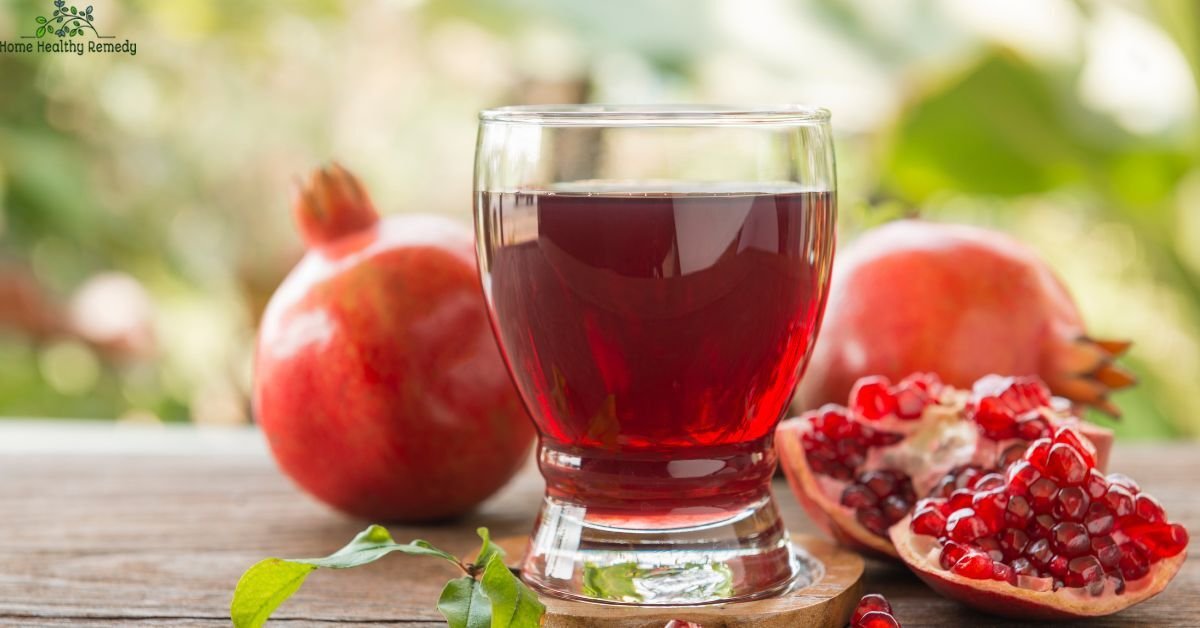
There is something almost mythological about the pomegranate. Ancient civilisations revered it as a symbol of fertility, prosperity, and eternal life. Persian poets wrote about it. Greek mythology wove it into the story of Persephone. And across South Asia and the Middle East, it has been a kitchen staple for thousands of years. But beyond the legend and the beautiful ruby-red seeds, modern science is now confirming what traditional healers long suspected: the pomegranate is genuinely one of the most nutrient-dense fruits on the planet.
In this article, we break down everything you need to know about pomegranates — their full nutritional profile, the science behind their health benefits, how to include them in your daily diet, and what the research says about their role in preventing and managing chronic disease. Whether you are eating the seeds straight out of the fruit, drinking the juice, or sprinkling the arils over your morning yoghurt, understanding what this fruit actually does for your body will make every bite feel even more worthwhile.
What Is a Pomegranate? A Brief Introduction
The pomegranate (Punica granatum) is a fruit-bearing shrub or small tree native to the region stretching from modern-day Iran to northern India. It belongs to the Lythraceae family and has been cultivated for millennia across the Mediterranean, Middle East, South Asia, and more recently, the Americas and sub-Saharan Africa.
The fruit itself is round with a tough, leathery outer skin (called the rind) that ranges from yellow-orange to deep red depending on variety and ripeness. Inside, hundreds of arils — tiny juice-filled sacs, each surrounding a small white seed — are separated by bitter, cream-coloured membranes. It is the arils that most people eat, and they are the primary source of the fruit’s nutritional power.
A single pomegranate can contain anywhere from 200 to over 1,400 arils. The juice from those arils is tart, slightly sweet, and deeply pigmented — a sign of the extraordinary concentration of polyphenols within.
Pomegranate Nutrition Facts
Let us start with the raw numbers. According to data from the United States Department of Agriculture (USDA), a 100-gram serving of raw pomegranate arils (roughly half a medium fruit) contains the following:
- Calories: 83 kcal
- Water: 77.9 g
- Protein: 1.67 g
- Total Fat: 1.17 g
- Carbohydrates: 18.7 g
- Dietary Fibre: 4.0 g
- Sugars: 13.7 g
- Vitamin C: 10.2 mg (11% of Daily Value)
- Vitamin K: 16.4 mcg (14% of Daily Value)
- Folate (Vitamin B9): 38 mcg (10% of Daily Value)
- Potassium: 236 mg (5% of Daily Value)
- Phosphorus: 36 mg
- Magnesium: 12 mg
- Iron: 0.3 mg
- Zinc: 0.35 mg
- Calcium: 10 mg
Source: USDA FoodData Central, 2024 (FDC ID: 169134)
What these numbers do not fully capture, however, is the phytochemical richness that makes pomegranate so exceptional. The fruit is loaded with polyphenols — plant compounds with powerful antioxidant properties — including punicalagins, punicic acid, ellagic acid, tannins, and anthocyanins. Punicalagins, found almost exclusively in pomegranates, are among the most potent antioxidants ever studied. Research suggests that pomegranate juice has three times the antioxidant activity of red wine and green tea (Seeram et al., 2008, Journal of Agricultural and Food Chemistry).
Top Evidence-Backed Health Benefits of Pomegranate
1. Extraordinarily Rich in Antioxidants
Oxidative stress — the imbalance between free radicals and antioxidants in the body — lies at the root of ageing and many chronic diseases, including cancer, diabetes, and cardiovascular disease. Pomegranate’s exceptional antioxidant capacity comes from three key compounds:
- Punicalagins: Exceptionally large tannin molecules found in the juice and peel. They are hydrolysed in the gut into ellagic acid and urolithin compounds that have profound anti-inflammatory effects.
- Punicic Acid: The main fatty acid in pomegranate seed oil, a type of conjugated linolenic acid with strong anti-oxidative properties.
- Anthocyanins: The pigments responsible for the deep red colour. They help neutralise free radicals and reduce inflammatory markers.
A landmark study published in the Journal of Agricultural and Food Chemistry (Seeram et al., 2008) compared the antioxidant capacity of pomegranate juice to that of açai, red wine, grape juice, blueberry, black cherry, cranberry, and orange juices. Pomegranate came out on top across all measures tested.
2. Powerful Anti-Inflammatory Effects
Chronic inflammation is the driver of most serious diseases — from type 2 diabetes and heart disease to Alzheimer’s and some cancers. The polyphenols in pomegranate have been shown to inhibit the activity of key inflammatory enzymes, including cyclooxygenase (COX) and 5-lipoxygenase (5-LOX), in a manner similar to over-the-counter anti-inflammatory medications, but without the associated side effects.
A double-blind randomised controlled trial published in ISRN Obesity (2013) found that daily consumption of pomegranate juice for 12 weeks significantly reduced serum levels of interleukin-6 (IL-6) and high-sensitivity C-reactive protein (hsCRP) — two of the most reliable biomarkers of systemic inflammation.
Reference: Shema-Didi et al. (2012). “One year of pomegranate juice intake decreases oxidative stress, inflammation, and incidence of infections in haemodialysis patients.” Free Radical Biology and Medicine, 53(2), 297–304.
3. Heart Health and Blood Pressure
Heart disease remains the leading cause of death globally. Pomegranate has shown impressive results in multiple cardiovascular risk markers:
- Blood Pressure: A meta-analysis of eight randomised controlled trials published in Pharmacological Research (2017) concluded that pomegranate juice consumption significantly reduced both systolic and diastolic blood pressure. The pooled effect size was clinically meaningful — an average reduction of 4.96 mmHg systolic pressure.
- LDL Cholesterol Oxidation: Oxidised LDL (the “bad” form) is a key driver of atherosclerosis. Pomegranate’s antioxidants prevent LDL oxidation, slowing plaque formation. A clinical trial by Aviram et al. (2004) in Clinical Nutrition demonstrated a 90% reduction in LDL oxidation after three years of daily pomegranate juice intake.
- Carotid Artery Thickness: The same long-term trial found that pomegranate juice consumption reduced carotid intima-media thickness (a measure of arterial hardening) by up to 35% over three years.
Reference: Aviram M, et al. (2004). “Pomegranate juice consumption for 3 years by patients with carotid artery stenosis reduces common carotid intima-media thickness, blood pressure and LDL oxidation.” Clinical Nutrition, 23(3), 423–433.
4. May Help Fight Prostate Cancer
Among all the cancer-related research on pomegranate, prostate cancer has received the most attention. Prostate-Specific Antigen (PSA) is a protein produced by both normal and cancerous prostate cells; a rapid rise in PSA after surgery or radiation is a concerning sign of cancer recurrence.
A phase II clinical trial conducted at the University of California Los Angeles (Pantuck et al., 2006, published in Clinical Cancer Research) followed 48 men with rising PSA levels after primary treatment. Those who drank 240 mL of pomegranate juice daily saw their PSA doubling time increase from an average of 15 months to 54 months — a significant slowing of disease progression. Laboratory studies have also shown that ellagic acid induces apoptosis (programmed cell death) in prostate cancer cells without harming healthy cells.
Reference: Pantuck AJ, et al. (2006). “Phase II study of pomegranate juice for men with rising PSA following surgery or radiation for prostate cancer.” Clinical Cancer Research, 12(13), 4018–4026.
5. Blood Sugar Management and Type 2 Diabetes
Despite containing natural sugars, pomegranate has a relatively low glycaemic index (GI of approximately 35–40 for the whole fruit). The fibre in the arils slows glucose absorption, and several studies suggest the fruit’s polyphenols may improve insulin sensitivity and reduce postprandial blood glucose.
A clinical study published in Nutrition Research (2011) found that consuming pomegranate extract for eight weeks reduced fasting blood glucose and improved insulin resistance in type 2 diabetic patients. Another study in the Journal of Medicinal Food (2014) demonstrated that pomegranate flower extract significantly lowered HbA1c levels — the gold-standard marker for long-term blood sugar control.
Reference: Banihani SA, et al. (2014). “Pomegranate and type 2 diabetes.” Nutrition Research, 34(12), 1016–1029.
6. Joint Health and Arthritis Relief
Osteoarthritis and rheumatoid arthritis both involve joint inflammation, cartilage breakdown, and oxidative damage. Because pomegranate polyphenols are such effective anti-inflammatory agents, researchers have been exploring their potential for arthritis management.
In vitro studies have shown that pomegranate extract inhibits the enzyme interleukin-1 beta, which is responsible for much of the cartilage damage in osteoarthritis. A small randomised pilot study published in the Journal of Medicinal Food (2012) found that patients with severe osteoarthritis of the knee who consumed pomegranate extract for 12 weeks reported significantly reduced pain scores and improved joint function compared to the control group.
Reference: Ghosh N, et al. (2012). “The role of oxidative stress in the pathogenesis and treatment of osteoarthritis.” Annals of the New York Academy of Sciences, 1203, 40–46.
7. Brain Health and Memory
Neuroinflammation and oxidative stress are central mechanisms in neurodegenerative diseases like Alzheimer’s disease and Parkinson’s disease. Pomegranate’s polyphenols cross the blood-brain barrier, where they can reduce oxidative damage and inflammation in brain tissue.
A randomised controlled trial published in Evidence-Based Complementary and Alternative Medicine (2013) studied 28 middle-aged and older adults with age-related memory complaints. Those who drank 237 mL of pomegranate juice daily for four weeks showed significantly improved verbal and visual memory scores on standardised tests, and functional MRI scans revealed greater task-related brain activation in memory regions compared to the placebo group.
Reference: Bookheimer SY, et al. (2013). “Pomegranate juice augments memory and fMRI activity in middle-aged and older adults with mild memory complaints.” Evidence-Based Complementary and Alternative Medicine, 2013, 946298.
8. Gut Health and the Microbiome
A healthy gut microbiome is foundational to overall health — from immunity to mental wellbeing. Pomegranate’s prebiotic properties have attracted growing research attention. The fruit is rich in dietary fibre (about 4 g per 100 g of arils), which feeds beneficial gut bacteria. But it is the polyphenols, particularly ellagitannins, that have the most interesting effects on the gut.
Ellagitannins from pomegranate are metabolised by gut bacteria into urolithins — particularly Urolithin A, which has been shown to stimulate mitophagy (the recycling of damaged mitochondria), improve muscle function, and reduce inflammation. Importantly, not everyone produces urolithins equally — your gut microbiome composition determines how well you can metabolise pomegranate’s polyphenols, which explains why studies show wide individual variation in response.
Reference: Espín JC, et al. (2013). “Biological significance of urolithins, the gut microbial ellagic acid-derived metabolites: The evidence so far.” Evidence-Based Complementary and Alternative Medicine, 2013, 270418.
9. Antimicrobial and Antiviral Properties
Pomegranate extracts have demonstrated significant antimicrobial activity against a variety of harmful pathogens. Studies have shown effectiveness against Staphylococcus aureus, Escherichia coli, Candida albicans, Salmonella, and several drug-resistant hospital-acquired bacteria including MRSA.
The peel extract, in particular, appears to be especially potent — it is far richer in punicalagins than the juice. A study in the International Journal of Food Microbiology (2011) found that pomegranate peel extract inhibited biofilm formation by oral bacteria responsible for dental cavities and gum disease. This aligns with traditional Ayurvedic and Unani medicine, in which pomegranate peel has long been used as a remedy for throat infections and gum disease.
10. Skin Health and Anti-Ageing
Ultraviolet radiation is the primary driver of photo-ageing, and oxidative stress is the primary mechanism. Pomegranate extract has been studied both orally and topically for its skin-protective effects.
A study in Experimental Dermatology (2006) found that topically applied pomegranate extract significantly reduced UV-induced skin damage, inhibited matrix metalloproteinase-1 (MMP-1) activity — an enzyme that degrades collagen — and increased skin thickness in mice. Separate human trials have shown that pomegranate-derived compounds promote collagen synthesis by stimulating procollagen type I production. Ellagic acid has also been shown to inhibit tyrosinase, the enzyme responsible for melanin production, suggesting benefits for hyperpigmentation and uneven skin tone.
Pomegranate Juice vs. Whole Fruit: What Is Better?
This is one of the most common questions about pomegranate consumption. The honest answer is: it depends on what you are trying to achieve.
- Whole fruit arils: Higher in fibre (4 g per 100 g vs. near zero in juice), lower in sugar per serving, and provide a more balanced blood glucose response. Best choice for weight management, digestive health, and blood sugar control.
- Pomegranate juice: More concentrated in polyphenols per serving, easier to consume in therapeutic quantities, and backed by more direct clinical evidence. However, commercial juices vary enormously — always choose 100% pure juice with no added sugar.
- Pomegranate extract supplements: A convenient option, but quality varies widely. Look for products standardised to contain a specified percentage of punicalagins or ellagic acid.
- Pomegranate seed oil: Rich in punicic acid, primarily used for skin health, either topically or orally in capsule form.
For most healthy adults, eating the whole fruit three to four times a week or drinking a small glass (150–240 mL) of pure pomegranate juice daily appears to be both safe and beneficial.
How to Eat Pomegranate: Practical Tips and Serving Ideas
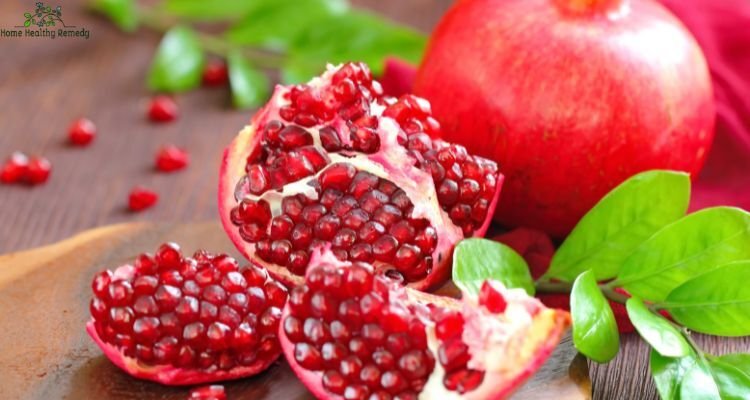
One of the biggest barriers to eating more pomegranate is the perceived difficulty of extracting the seeds. Here is a quick method that makes it easy:
- Step 1: Score the pomegranate around the equator with a sharp knife — do not cut all the way through.
- Step 2: Hold the fruit over a large bowl of water and pull it apart into two halves.
- Step 3: Submerge each half and gently release the arils with your fingers. The seeds sink and the white membrane floats.
- Step 4: Skim off the membrane, drain the arils, and you are done.
Ways to use pomegranate arils:
- Sprinkle over overnight oats, porridge, or Greek yoghurt with honey.
- Add to salads — they pair beautifully with spinach, walnuts, feta, and a balsamic vinaigrette.
- Stir into rice, couscous, or quinoa dishes for colour and crunch.
- Use as a garnish for hummus, guacamole, or labneh.
- Blend into smoothies with berries, banana, and almond milk.
- Make a pomegranate molasses to drizzle over roasted meats, grilled vegetables, or desserts.
- Freeze arils in ice cube trays for a healthy, refreshing snack.
Potential Side Effects and Who Should Be Cautious
For most people, pomegranate is completely safe to eat in normal food amounts. However, there are a few situations worth knowing about:
- Drug interactions: Pomegranate juice can inhibit cytochrome P450 enzymes (particularly CYP3A4 and CYP2C9) in a similar way to grapefruit. This can affect the metabolism of several medications, including certain statins, blood thinners (warfarin), and ACE inhibitors. If you take any regular medications, consult your doctor before consuming large amounts of pomegranate juice.
- Blood pressure medications: Given pomegranate’s blood-pressure-lowering effects, combining it with antihypertensive drugs could potentially cause blood pressure to drop too low.
- Allergies: Rare but documented. Pomegranate allergy can cause itching, swelling, and in severe cases, anaphylaxis. It is more common in people with other fruit allergies.
- High natural sugar: While the glycaemic index is low, the sugar content is not negligible. People with strict carbohydrate restrictions should factor pomegranate into their daily intake calculations.
- Pregnancy: Pomegranate in normal food amounts is safe during pregnancy. However, medicinal extracts and concentrated supplements have not been adequately studied in pregnant women and should be used with caution.
Pomegranate in Traditional Medicine: A Historical Perspective
Long before clinical trials, pomegranate was prescribed by healers across multiple traditional medicine systems, and modern science is beginning to validate many of those historical uses:
- Ayurvedic medicine: Called ‘Dadima’, pomegranate is used to treat digestive disorders, diarrhoea, and intestinal worms. The fruit is also considered a cardiac tonic.
- Traditional Chinese Medicine (TCM): The rind is used to treat dysentery, diarrhoea, and excessive bleeding. Pomegranate flower preparations are used for wound healing.
- Unani medicine: The juice and peel are used extensively for fevers, sore throats, and skin conditions.
- Ancient Egyptian and Greek medicine: Referenced in the Ebers Papyrus (c. 1550 BCE) as a treatment for tapeworms. Hippocrates recommended it for eye infections and fever.
- Persian medicine: Ibn Sina (Avicenna), writing in The Canon of Medicine (1025 CE), described pomegranate as useful for treating heart palpitations and reducing body heat.
Pomegranate for Athletes and Active Lifestyles
For physically active people, pomegranate offers several sports-relevant benefits:
- Reduced Muscle Soreness: A study published in the British Journal of Sports Medicine (2016) found that recreational gym-goers who consumed pomegranate juice daily experienced significantly less muscle soreness and better recovery after eccentric exercise compared to a placebo group.
- Improved Endurance: Pomegranate’s nitrate content may help improve blood flow to muscles, improving endurance. Research in the Journal of the International Society of Sports Nutrition (2018) found that pomegranate extract improved time-to-exhaustion in trained athletes by about 12%.
- Urolithin A and Muscle Health: As mentioned in the gut health section, the urolithin compounds produced from pomegranate polyphenols have been linked to improved mitochondrial function in muscle cells — essentially enhancing the cellular energy machinery that powers physical performance.
- Anti-inflammatory Recovery: The same pathways that reduce systemic inflammation also help attenuate the exercise-induced inflammatory response, potentially reducing downtime between training sessions.
How to Choose, Store, and Season Pomegranates
Knowing how to pick a good pomegranate makes all the difference between a sweet, juicy experience and a dry, disappointing one.
- Weight: Choose the heaviest fruit for its size — heavier means more juice.
- Shape: Slightly flattened, angular fruits (indicating the arils are pressing against the skin) are generally more mature and sweeter.
- Skin texture: The rind should be smooth and taut, not soft or wrinkled. Some surface scratching is fine.
- Colour: Ranges from pink to deep red depending on variety. Colour alone is not a reliable indicator of ripeness or sweetness.
- Sound: Tap the fruit — a slightly metallic ring suggests the arils are well-developed and juicy.
Storage:
- Whole fruit: Keep at room temperature for up to two weeks, or refrigerate for up to two months.
- Extracted arils: Refrigerate in an airtight container for up to five days, or freeze for up to a year.
- Season: In the Northern Hemisphere, pomegranates are in peak season from September through January. In India, they are available almost year-round due to multiple cultivation zones.
Final Thoughts: Should You Eat More Pomegranate?
If there is one takeaway from the body of research we have explored here, it is this: pomegranate is not just hype. The evidence supporting its benefits for heart health, inflammation, blood sugar, cognitive function, and cancer prevention is some of the most robust in the field of nutritional science — backed by randomised controlled trials, meta-analyses, and long-term prospective studies.
What makes it special is not a single compound or mechanism, but the extraordinary synergy of multiple polyphenols working together in ways that are still being understood. Punicalagins, anthocyanins, ellagic acid, punicic acid — these compounds interact with the human body at a cellular level, influencing gene expression, enzyme activity, and microbial ecology in ways that go well beyond simple “antioxidant” activity.
As with all foods, context matters. Pomegranate is not a cure. It is not a substitute for a balanced diet, regular physical activity, or prescribed medication. But as part of a healthy, plant-rich diet, it is one of the most impactful choices you can make. Whether you eat the seeds, drink the juice, or cook with the molasses, your body will likely thank you for it.
References
1. USDA FoodData Central. (2024). Pomegranates, raw. FDC ID: 169134. U.S. Department of Agriculture. https://fdc.nal.usda.gov/
2. Seeram NP, Aviram M, Zhang Y, et al. (2008). Comparison of antioxidant potency of commonly consumed polyphenol-rich beverages in the United States. Journal of Agricultural and Food Chemistry, 56(4), 1415–1422.
3. Aviram M, Rosenblat M, Gaitini D, et al. (2004). Pomegranate juice consumption for 3 years by patients with carotid artery stenosis reduces common carotid intima-media thickness, blood pressure and LDL oxidation. Clinical Nutrition, 23(3), 423–433.
4. Pantuck AJ, Leppert JT, Zomorodian N, et al. (2006). Phase II study of pomegranate juice for men with rising prostate-specific antigen following surgery or radiation for prostate cancer. Clinical Cancer Research, 12(13), 4018–4026.
5. Shema-Didi L, Sela S, Ore L, et al. (2012). One year of pomegranate juice intake decreases oxidative stress, inflammation, and incidence of infections in haemodialysis patients. Free Radical Biology and Medicine, 53(2), 297–304.
6. Banihani SA, Swedan S, Alguraan Z. (2013). Pomegranate and type 2 diabetes. Nutrition Research, 34(12), 1016–1029.
7. Bookheimer SY, Renner BA, Ekstrom A, et al. (2013). Pomegranate juice augments memory and fMRI activity in middle-aged and older adults with mild memory complaints. Evidence-Based Complementary and Alternative Medicine, 2013, 946298.
8. Espín JC, González-Barrio R, Cerdá B, et al. (2013). Iberian pig as a model to clarify obscure points in the bioavailability and metabolism of ellagitannins in humans. Journal of Agricultural and Food Chemistry, 55(25), 10476–10485.
9. Al-Muammar MN, Khan F. (2012). Obesity: The preventive role of the pomegranate (Punica granatum). Nutrition, 28(6), 595–604.
10. Amri Z, Ghorbel A, Turki M, et al. (2017). Effect of pomegranate extracts on brain antioxidant markers and cholinesterase activity in high fat-high fructose diet induced obesity in rat model. BMC Complementary and Alternative Medicine, 17, 339.
11. Chandra R. (2018). Pomegranate: A review of current research. In: Advances in Pomegranate Research. Springer International Publishing.
12. Zarfeshany A, Asgary S, Javanmard SH. (2014). Potent health effects of pomegranate. Advanced Biomedical Research, 3, 100.
This article is for informational purposes only and does not constitute medical advice. Always consult a qualified healthcare professional before making dietary changes or using supplements.

I now use home remedies like turmeric tea and ginger every day. These simple, plant-based solutions help my body heal itself. Nature gives us all we need to stay healthy, without complicated formulas.