
Introduction
Imagine that it’s spring again, flowers are blooming beautifully, the sun is shining, and your child is excited to play outside. But then the sneezing starts. Then the itching. Then the red, watery eyes. Sound familiar? You’re not alone. More than 40 million people—including children, adults, and elders—experience this frustration and discomfort of seasonal allergies every year. These seasonal allergies, commonly known as hay fever or allergic rhinitis, affect millions of families across the world, and understanding them is the first step toward getting relief.
This short guide will help you understand everything you need to know about seasonal allergies, from what they are and why they happen to how they affect us, and most importantly, what you can actually do about them. This guide, with its practical, science-backed solutions, will help you find relief from these seasonal allergies.
Understanding Seasonal Allergies
Seasonal allergies are your body’s allergic reaction to the harmless particles present in the air. Most commonly, these are pollen from trees, grasses, and weeds. It’s your immune system overprotecting you from harmless things.
When you have seasonal allergies, your immune system thinks pollen is a threat, much like germs. It makes IgE antibodies to protect you. When you breathe in pollen, these antibodies make histamine, which causes common allergy symptoms, including sneezing, itching, a stuffy nose, and watery eyes.
This is why the condition is sometimes called “hay fever” though it has nothing to do with hay or actual fevers. The name actually comes from the old days when hay was being harvested, and people would develop these symptoms. It can be 100% misleading. But the name stuck around!
The key thing to understand is that your immune system isn’t damaged or weakened when you have allergies. It’s actually doing its job a bit too well—it’s being overprotective against something that isn’t actually harmful.
The Three Allergy Seasons
Allergies usually happen during specific times of the year, depending on which plants nearby are releasing pollen. This knowledge helps you to prepare early and stay ahead of the symptoms.
Spring Allergies: Tree Pollen Season (February–May)
During the spring season trees release pollen. The first wave usually comes from trees like birch, cedar, alder, and maple. By mid-spring, pine, mulberry, and willow trees join the party. If you notice your symptoms start as soon as the weather warms up or flowers bloom, you’re most likely dealing with tree pollen allergies.
Summer Allergies: Grass Pollen Season (May–July)
As spring transitions to summer, grass pollen becomes the main culprit. Grasses like ryegrass, Timothy grass, and Johnson grass release massive amounts of pollen during this period. Summer allergies tend to be particularly tough because people are more likely to be outdoors during warm weather.
Fall Allergies: Ragweed and Mold (August–November)
Fall brings the start of ragweed season, which can be the most severe for many people. Ragweed produces incredibly potent pollen and affects a huge percentage of the population. Additionally, as leaves fall and humidity increases, mold spores become more prevalent, triggering allergies in people who are sensitive to mold.
Common Symptoms of Seasonal Allergies
Seasonal allergies come in many different ways. Some people might experience just one or two common symptoms, while others have all of them. Below, I have provided some of the most common symptoms or warning signs that someone might have seasonal allergies.
Classic Nasal and Respiratory Symptoms:
- Frequent sneezing
- A runny or stuffy nose (nasal congestion)
- Itching in your nose, throat, or the roof of your mouth
- Postnasal drip (mucus running down the back of your throat)
- Coughing, which may be tickly or persistent
Eye Symptoms:
- Itchy, watery eyes
- Red or swollen eyes
- Puffy eyes (sometimes called “allergic shiners”—dark circles under the eyes)
Other Symptoms:
- Fatigue and exhaustion (often from poor sleep caused by congestion)
- Skin rashes or hives (especially if you’ve been outdoors in high pollen)
- Sinus pressure or headaches
- Wheezing or slight difficulty breathing (in more severe cases)
Important note: These symptoms come on suddenly during pollen season and last for days or weeks, then disappear. That’s different from a cold, which typically lasts 7-10 days and goes away on its own. Allergies will return year after year during the same season.
Prevention: Your First Line of Defense
Before you start medication for seasonal allergies, there are some methods and tools you can use to prevent them.
Timing Matters: Know When Pollen Counts Are Highest
Pollen particles are not in the same amount in the air throughout the day.
- Ragweed pollen is highest in the morning (early morning through mid-morning)
- Grass pollen is highest in the evening.
- Dry, windy, sunny days have much higher pollen counts than cool, calm days or rainy days.
Pro tip: Before planning to go outside, you should check the pollen count in your local area. Many weather apps show pollen counts, and dedicated websites like pollen.com provide detailed forecasts.
Outdoor Protection Strategies
When you must go outside during high-pollen days:
- Wear protective gear: Sunglasses reduce the amount of pollen entering your eyes. Consider wraparound styles for better protection. A wide-brimmed hat helps keep pollen off your face and hair.
- Wear a mask: If you’re doing yard work, gardening, or lawn mowing, tasks that really stir up pollen, try to wear a protective face mask.
- Shower and change clothes: When you come inside from being outdoors during high-pollen season, shower to wash pollen off your skin and hair. Put your outdoor clothes directly in the wash. This prevents you from transferring pollen to your bed, pillows, and furniture, where you’ll be exposed to it all night.
- Avoid specific outdoor chores: Don’t mow the lawn, pull weeds, or garden during peak pollen season if possible. These activities kick up massive amounts of pollen into the air.
Protecting Your Home
Your home should be your allergy-free refuge:
- Keep windows and doors closed: During peak pollen season, especially in the early morning and evening, keep windows and doors shut. This is especially important in your bedroom so you can sleep without pollen exposure.
- Use air conditioning: Keep your home’s temperature down with air conditioning rather than opening windows. Set your car’s air conditioning to recirculate mode instead of drawing in outside air when driving.
- Use HEPA filters: HEPA (High-Efficiency Particulate Air) filters are incredibly effective. They can remove up to 99.97% of dust, pollen, and other airborne particles as small as 0.3 microns. You can use HEPA filters in:
- Portable air purifiers (especially effective in bedrooms and living rooms)
- Your home’s air conditioning system
- Vacuum cleaners
Note: Running air purifiers continuously during allergy season provides the best results. When you are using a HEPA filter in your vacuum, remember that it takes a couple of hours for air to settle properly, so try to vacuum when you are going out.
Natural Home Remedies: Relief Without Medication
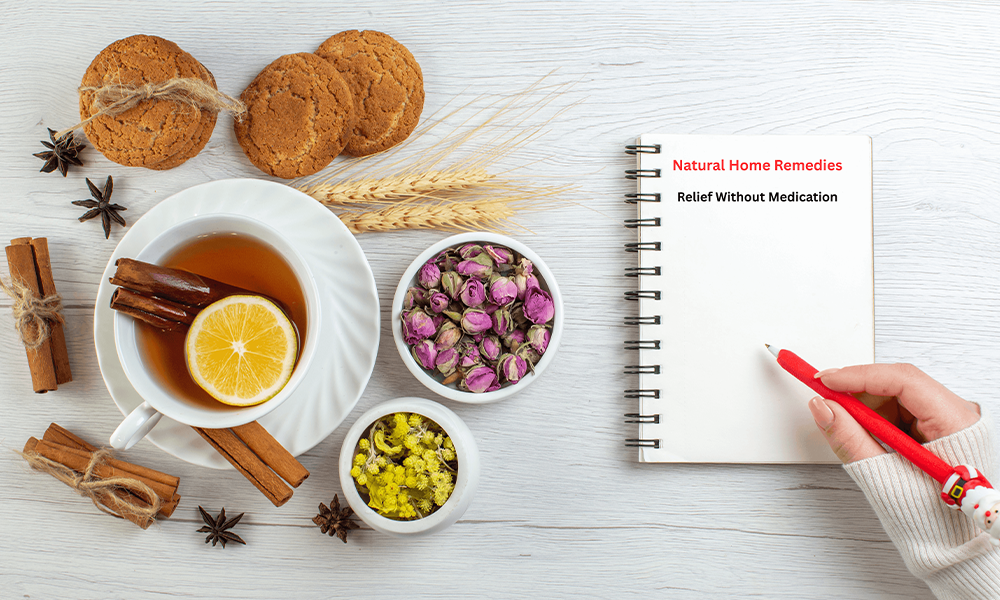
If you want something natural for relief or want to speed up your recovery using natural remedies with medications, there is no need to worry. Several proven natural home remedies can help.
Saline Nasal Irrigation
This is one of the most effective natural remedies: saline nasal irrigation. In this, you are flushing out your nasal passage with the help of saltwater. It helps to flush out pollen that has settled in your nasal cavity, and manually flushing it out prevents your allergies from being triggered in the first place.
How to make your own saline rinse:
Mix these ingredients in a clean container:
- 3 teaspoons of iodide-free salt (no anti-caking agents or preservatives)
- 1 teaspoon of baking soda
- 8 ounces (1 cup) of lukewarm distilled or boiled water
Store the dry mixture in an airtight container and add 1 teaspoon to fresh water when you’re ready to use it.
How to use it:
Using a soft rubber bulb syringe or a neti pot:
- Tilt your head downward over a sink and rotate it to one side
- Squeeze approximately 4 ounces of solution gently into the upper nostril
- Breathe through your mouth and let the solution drain out of the lower nostril
- Repeat on the other side
- Gently blow your nose (gently—you don’t want water going into your ears)
Frequency: Use this once or twice daily during allergy season. Research recommends not irrigating more than once daily, as over-irrigating can deplete natural immune cells in your sinus mucus.
Steam Inhalation
Steam inhalation is a famous and effective home remedy that helps soothe nasal passages, reduce inflammation, and temporarily relieve congestion.
How to do it:
- Fill a bowl with hot water
- Add a few drops of essential oils (eucalyptus or peppermint work well)
- Place a towel over your head and lean over the bowl
- Inhale the steam for 10-15 minutes
This provides temporary relief and helps loosen mucus.
Natural Antihistamine Foods
Some foods have natural substances that protect the body, soothe the immune system, and make allergic reactions less severe.
- Ginger’s antioxidant and anti-inflammatory properties can help to reduce inflammation and allergies.
- Turmeric contains curcumin that stops the release of histamine and lowers inflammation.
- Quercetin-rich foods help keep mast cells stable and stop histamine from being released. Some of the best sources are onions, apples, strawberries, blueberries, raspberries, citrus-rich fruits, green vegetables, broccoli, and green leaf tea.
- Vitamin C-rich foods work like natural antioxidants and antihistamines. Bell peppers, Brussels sprouts, broccoli, kiwi, papaya, and strawberries are some of the best options and have more vitamin C than oranges!
- Bromelain is a substance that comes from pineapples and is believed to help with respiratory inflammation caused by allergies.
- Herbal teas, such as Nettle leaf tea, Butterbur, and Rooibos, can help with allergies.
Essential Oils and Aromatherapy
Some essential oils can help you feel better, but it’s not permanent; it’s just for a short period of time. Eucalyptus oil that clears up stuffy noses, Peppermint oil that calms and cools inflamed passageways, and Lavender oil that makes you feel relaxed and helps you sleep better are some of the best examples of these types of oils.
You can use these oils in a diffuser or breathe them in as steam, but never apply them directly on your skin without diluting them first, and also remember not to use them for a very prolonged time.
Medications For Seasonal Allergies
When home remedies and prevention aren’t enough, medications can provide significant relief. Some of the best medications you can try include:
Antihistamines
Antihistamines work by blocking the effects of histamine, the chemical your body releases during an allergic reaction. Some Non-drowsy antihistamine pills:
- Fexofenadine (Allegra)
- Cetirizine (Zyrtec)
- Loratadine (Claritin)
These are available at pharmacies or drugstores and are generally safe for regular use throughout allergy season.
Note: Not all medications work for all ages. Always consult your doctor or take advice from a healthcare professional before starting any medication.
Steroid Nasal Sprays
Nasal sprays are one of the most effective treatments available for you. Some common options in these are Flonase, Rhinocort, and Nasacort. They help to reduce inflammation in your nasal passages.
You can use these about 1-2 weeks before your allergy season begins for maximum effectiveness. You’ll need to use them continuously throughout the season to maintain relief.
Important warning: Don’t use decongestant nasal sprays for more than 2-3 days at a time. Extended use can cause “rebound congestion,” where your symptoms can get worse.
Decongestants
These give you relief from congested nasal passages by narrowing blood vessels. However, these can increase your blood pressure and give side effects like headaches and difficulty sleeping.
Cromolyn Sodium
This medication helps to prevent the release of histamine. It proves to be most effective when you start using it before symptoms start appearing. It doesn’t have any major side effects.
Immunotherapy
Even if medications and prevention aren’t enough to get relief, your doctor might recommend immunotherapy, also called allergy shots or desensitization therapy.
In this, you receive a series of injections over 3-5 years, each containing gradually increasing amounts of the allergen you’re sensitive to. Over time, your immune system builds resistance to the allergen and stops any major reactions.
Understanding Pollen Counts
Pollen count is the number of pollen present in the air at that time. It is measured in grains per cubic meter of air. Higher counts mean the quantity of pollen in the air is very high. This means there is a greater chance of your getting affected.
How to Read Pollen Counts
- Low: Only persons who are very sensitive to pollen will have symptoms.
- Moderate: More people will have symptoms
- High: Most people who are sensitive to pollen will have symptoms
- Very high: Almost everyone who is allergic to pollen will have symptoms.
Where to Check Pollen Counts
- Pollen.com: Provides detailed daily allergy forecasts by location
- Weather apps: Many weather apps now include pollen counts
- National Allergy Bureau: Operated by ACAAI
- Local allergist websites often provide local pollen data
How to Use This Information
Once you know the pollen forecast:
- On high-pollen days, keep windows closed and limit outdoor time
- Schedule yard work and outdoor activities for low-pollen days
- Take or increase your allergy medications the day before high-pollen forecasts
- Plan indoor activities on days when counts are highest
Many people who consistently track pollen counts and plan accordingly experience better symptom control dramatically.
When Should You See a Doctor?
When:
- Your symptoms are severe or considerably affecting your sleep, schoolwork, or work.
- Medications aren’t giving you relief.
- Your symptoms are new or have altered.
- You have wheezing or trouble breathing.
- You suspect you may have seasonal allergies, but you’re not sure.
Your doctor can:
- Do allergy testing to identify exactly what you’re allergic to
- Recommend appropriate medications
- Discuss immunotherapy if needed
- Rule out other conditions that might be causing similar symptoms
- Develop a personalized treatment plan for you
Note: For children, this is especially important, as proper diagnosis and early treatment can prevent symptoms from affecting academic performance.
Your Quick Action Plan for Preventing Seasonal Allergies
1. In the Morning:
- Keep windows shut between 5 AM and 10 AM (peak pollen hours).
- Use your nasal spray daily; it’s a preventative “shield,” not a quick fix.
2. In the Daytime:
- Eat “Anti-Sneeze” foods: Add red onions, apples, and fiber to your diet to calm your immune system via your gut.
- Hydrate: Keeps mucus thin and your nervous system stable.
3. In the Evening:
- Shower before bed: Wash pollen off your hair and skin so you don’t sleep in it.
- The Shoe Rule: Leave shoes at the door to keep outdoor triggers out of your bedroom.
4. Maintenance:
- Air Quality: Use a MERV 13 or HEPA filter in your home.
- Rinse: Use a Neti pot with distilled water only to physically wash away allergens.
Final Thoughts
Seasonal allergies can be a massive burden, but they don’t have to turn into your prison. Seasonal allergies affect millions of people every year. However, there’s no need to worry, as they are manageable. You can use anything from a simple and planned lifestyle and natural home remedies to effective medication specifically for getting relief from them.
First, start with prevention and reducing the exposure. Use various above-mentioned methods, like saline irrigation, to get relief. If you believe your symptoms are excessive, seek immediate medical assistance from your doctor.
The goal of this guide is that you can live your life fully during allergy season. You also deserve to breathe clearly and feel focused.
Frequently Asked Question
1. How to know if it is a cold or just allergies?
It can be hard to tell the difference between a cold and allergies. Generally, if you have a fever or body aches, you may have a cold or the flu. Allergies usually cause itchy eyes and throats, and they last until pollen is present in the air, while colds take up to 7-10 days to feel better.
2. Why do my allergies feel worse at night?
There are mainly two reasons: the first is that pollen count increases in the evening as the air cools and pollen is closer to the ground level. Second, if you haven’t showered after coming from outside, you’re likely to breathe in pollen settled in your hair and clothes while sleeping.
3. Can I get immune to my seasonal allergies?
It’s uncommon, but allergies can change over time. As your immune system adapts, you might become less sensitive to one trigger while unexpectedly reacting to a new one.
4. Does allergy medication help?
Yes, allergy drugs help lessen sneezing, congestion, and itching. However, if you have any worries about a medicine, please talk to a doctor first.
5. What are the most common symptoms of seasonal allergies?
In seasonal allergies, the most common symptoms include sneezing, having a runny or stuffy nose, itchy and watery eyes, a scratchy throat, coughing, and feeling very tired. You may also get headaches and have trouble sleeping.
