
Medically Reviewed | Last Updated: March 2026 | Reading Time: ~18 min | Sources: NIH, Mayo Clinic, CDC, AAFA, AAAAI, ACAAI, Cleveland Clinic, Harvard
Quick Summary (Featured Snippet)
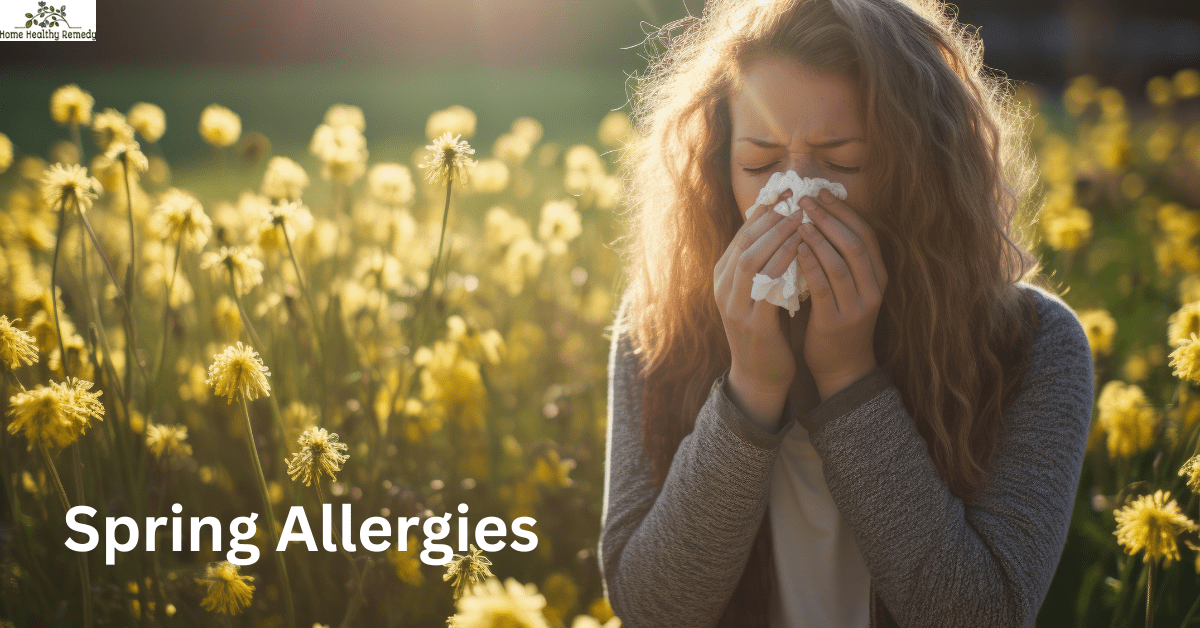
✓ Key Takeaway: Spring allergies (hay fever / allergic rhinitis) affect over 82 million Americans. They are caused primarily by tree, grass, and weed pollen. Symptoms include sneezing, itchy nose, watery eyes, congestion, and fatigue. They typically begin in February–March and end in June–July. First-line treatments include non-drowsy antihistamines (cetirizine, loratadine, fexofenadine) and intranasal corticosteroid sprays.
1. What Are Spring Allergies? Understanding the Basics
Spring allergies — medically termed seasonal allergic rhinitis, and colloquially known as hay fever — are one of the most prevalent chronic health conditions worldwide. They occur when the immune system mounts an exaggerated defense response against airborne substances that are otherwise completely harmless, most commonly pollen released by trees, grasses, and weeds during the warmer months.
Despite the name “hay fever,” the condition rarely involves actual hay and almost never causes a true fever. The term dates back to the 19th century when physicians first noticed that rural workers developed nasal symptoms during hay-cutting season. Today, we understand the mechanism far more precisely: allergen exposure triggers immunoglobulin E (IgE)-mediated immune reactions, releasing histamine and other inflammatory chemicals that cause the characteristic symptoms.
📊 In 2024, more than 82 million people in the U.S. were diagnosed with seasonal allergic rhinitis — approximately 25 out of every 100 adults and 21 out of every 100 children. — Asthma and Allergy Foundation of America (AAFA), 2025
📊 Over 100 million Americans experience some form of allergy each year, making it the 6th leading cause of chronic illness in the United States. — CDC / Allergy & Asthma Network, 2025
✓ Key Takeaway: Spring allergies are an immune system overreaction to pollen and other airborne particles. They affect over 82 million Americans and are among the most common chronic conditions in the country.
2. What Causes Spring Allergies?
Understanding what causes spring allergies is the essential foundation for treating and managing them. The immune system of an allergic person misidentifies harmless pollen proteins as dangerous invaders, producing IgE antibodies against them. On subsequent exposures, these antibodies trigger mast cells to release histamine and leukotrienes — chemicals that cause blood vessel dilation, increased mucus production, and tissue inflammation.
2.1 Tree Pollen — The Earliest Spring Allergen
Tree pollen is the dominant spring allergen and the first to arrive each year. The most allergenic tree species in the United States include:
• Oak — one of the most prolific pollen producers; peaks mid-spring
• Birch — highly allergenic; major allergen in northern regions and Northern Europe
• Cedar / Juniper — can begin pollinating in January in warmer states
• Maple — an early-spring allergen appearing February–April
• Ash — widely distributed across North America; peak March–May
• Elm — early spring pollinator, often before trees leaf out
• Walnut, Pecan, and Hickory — regional allergens in the South and Midwest
2.2 Grass Pollen — The Late-Spring Surge
Grass pollen takes over as tree pollen declines, typically peaking from late April through July. The most allergenic grass species include Timothy grass, Kentucky bluegrass, ryegrass, Bermuda grass, and orchard grass. Grass pollen is particularly problematic because it is produced in astronomical quantities and travels long distances on wind.
2.3 Mold Spores
Outdoor mold thrives in the moist, warm conditions of spring. As snow melts and spring rains arrive, mold spores from soil, decaying leaves, and vegetation become airborne. People with mold allergies often find that spring — particularly after rainy periods — triggers symptoms as intense as pollen season.
2.4 Climate Change: Longer, Stronger Allergy Seasons
📊 Pollen season in North America has already become 20 days longer since 1990, and pollen concentrations have increased by 21% over the past three decades, driven by rising temperatures. — Harvard T.H. Chan School of Public Health, November 2024
📊 Total pollen emissions globally are projected to increase by up to 40% by end of century under current climate trajectories, with season length extending by up to 19 additional days. — The Laryngoscope, peer-reviewed journal (April 2025)
Climate change is altering the spring allergy landscape in fundamental ways. Warmer temperatures cause trees to begin pollinating earlier, higher atmospheric CO₂ stimulates plants to produce more pollen, and the extended frost-free season keeps pollen active longer. The result: spring allergy seasons that begin earlier, last longer, and are more intense than they were a generation ago.
“Because of climate warming, pollen is now a nearly year-round menace in some parts of the US. Tree pollen is emerging 20 days earlier and in higher concentrations than it did 30 years ago.” — Kenneth Mendez, CEO, Asthma and Allergy Foundation of America
“Where traditionally we might see waves of pollen, different trees pollinating at different times, we’re starting to see warmer seasons… temperatures are a little bit warmer around the planet, and this is allowing pollen counts to come out a little bit earlier every year.” — Dr. Patel, Carolina Asthma & Allergy Center, March 2026
✓ Key Takeaway: Spring allergies are primarily caused by tree and grass pollen, with climate change making seasons longer and pollen more concentrated every year.
3. When Do Spring Allergies Start?
One of the most-searched questions about hay fever is: when do spring allergies start? The honest answer is that it depends heavily on your geographic location, the specific allergens you react to, and year-to-year weather variability.
General U.S. Pollen Calendar
• January–February: Tree pollen emerges in southern states (Florida, Texas, Southeast). Cedar and juniper are the primary early culprits.
• February–March: Tree pollen spreads northward across the Mid-Atlantic, Midwest, and Pacific Coast. Elm, maple, and alder begin pollinating.
• March–April: Peak tree pollen season across most of the continental U.S. Oak, birch, and ash are dominant.
• April–June: Grass pollen season begins and overlaps with declining tree pollen. This overlap creates the most intense allergy period for multi-sensitized patients.
• May–July: Peak grass pollen season. Symptoms most severe for grass-allergic individuals.
In 2026, the spring allergy season is tracking as stronger than average. Experts attribute this to an unusually cold winter followed by a rapid warming, causing multiple tree species to release pollen simultaneously rather than in staggered waves — a phenomenon allergists call a “pollen surge.”
“I think it’s going to be a very bad allergy season this year. It’s been cold for so long, so everything’s been locked up and when it finally gets warm, it’s going to explode out there.” — Dr. William Hark, Richmond Allergy and Asthma Specialists, March 2026
“It’s important to remember that high pollen counts don’t always translate to symptoms for every person. Your symptoms depend on which specific pollens you’re allergic to.” — Dr. Cherie Zachary, MD, President, ACAAI, March 2026
Pro tip: Start your antihistamine or nasal steroid spray about 2 weeks before your region’s pollen season typically begins. “We generally say to have your allergy medications in your system close to two weeks ahead of time because it takes some time to build up,” advises Kenneth Mendez of AAFA.
✓ Key Takeaway: Spring allergies can start as early as January in warm southern states and as late as May in northern or high-elevation regions. For most of the U.S., tree pollen season — the start of spring allergies — begins in February or March.
4. How Long Do Spring Allergies Last & When Do They End?
How long do spring allergies last? The total duration of the spring allergy season typically spans 4–5 months for people allergic to both tree and grass pollen. However, your personal season length depends on which allergens trigger your reactions:
• Tree pollen only: Season lasts approximately 6–8 weeks (roughly March through April/May in most U.S. regions)
• Grass pollen only: Season lasts approximately 6–8 weeks (roughly May through June/July)
• Tree + grass pollen: Combined season can span March through July — nearly 5 months
• Tree + grass + mold: Symptoms may persist from February through August in humid regions
When Do Spring Allergies End?
When do spring allergies end varies by allergen:
• Tree pollen allergies: Symptoms typically peak in April and begin declining in May. Most tree-pollen sufferers find significant relief by late May or early June.
• Grass pollen allergies: Relief typically arrives in late June or July as grass pollen levels fall.
• Combined allergens: When will spring allergies end for multi-sensitized patients? Often not until mid-July in most of the U.S.
Weather heavily influences season length. A cool, wet spring delays pollen release but promotes mold. A hot, dry spring can trigger a shorter but explosively intense pollen burst. Rainy days temporarily clear pollen from the air, but windy days send counts soaring.
✓ Key Takeaway: Spring allergies last 4–5 months for most sufferers (February through June/July), depending on which allergens trigger their symptoms. Tree pollen sufferers typically find relief by late May; grass pollen sufferers by late June or July.
5. Spring Allergy Symptoms: Complete Symptom Checklist
Recognizing spring allergy symptoms accurately is critical — both for seeking appropriate treatment and for distinguishing allergies from infections like colds, flu, or COVID-19. Here is a comprehensive breakdown of every symptom category:
Nasal Symptoms
• Runny nose with clear, watery discharge (hallmark of allergies vs. thick colored mucus from infections)
• Persistent nasal congestion and stuffiness, often worse in the morning
• Frequent sneezing — often in rapid bursts of 3–5 or more
• Nose is itchy — this persistent nasal itch is one of the most reliable signs distinguishing allergic rhinitis from a viral cold
• Postnasal drip causing a chronic tickling cough, especially at night
Eye Symptoms
• Itchy, red, or burning eyes (allergic conjunctivitis) — affects up to 75% of hay fever sufferers
• Watery eye discharge
• Puffy or swollen eyelids, particularly on waking
• Light sensitivity
Throat, Ear & Mouth Symptoms
• Itchy or scratchy throat from postnasal drip
• Ear congestion, muffled hearing, or popping — due to Eustachian tube dysfunction from nasal swelling
• Oral Allergy Syndrome: tingling or itching of the lips, mouth, or throat after eating certain raw fruits or vegetables (linked to cross-reactive tree pollen proteins)
Respiratory Symptoms
• Coughing, particularly a nighttime postnasal drip cough
• Wheezing or shortness of breath in people with co-existing allergic asthma — seek immediate medical attention if severe
• Chest tightness during high-pollen periods
Skin Symptoms
• Hives (urticaria): raised, itchy red welts appearing suddenly
• Eczema flares: worsening of existing atopic dermatitis during pollen season
• General skin itching without visible rash
Systemic Symptoms
• Fatigue and low energy (addressed in detail in Section 7)
• Headache, particularly frontal or sinus headaches from nasal congestion
• Difficulty concentrating / cognitive slowing (“brain fog”)
• Sleep disturbances — congestion and postnasal drip disrupt sleep quality
• Irritability and low mood, particularly in children
📊 Over 80% of people with asthma also have allergic rhinitis, making proper allergy management critical for asthma control. — Allergy & Asthma Network, 2025
✓ Key Takeaway: The hallmark triad of spring allergy symptoms is: itchy nose + sneezing + watery eyes. The absence of fever and the presence of itching strongly suggest allergy rather than infection.
6. Fever Symptoms vs. Spring Allergies: How to Tell the Difference
Despite the old-fashioned name “hay fever,” spring allergies do not actually cause fever. This distinction is clinically important. Understanding which symptoms belong to allergies vs. infections can save you from unnecessary doctor visits — or ensure you seek care when you actually need it.
Symptoms That Indicate Allergy (NOT Infection)
• Clear, watery nasal discharge (not thick or colored)
• Itching of nose, eyes, or throat — the itch is the giveaway
• Sneezing in rapid bursts
• Symptoms worsen outdoors or on high-pollen days
• Symptoms improve indoors or on rainy, low-pollen days
• Symptoms last weeks to months (pollen season)
• No fever (body temperature below 100.4°F / 38°C)
Symptoms That Suggest Infection (Cold, Flu, Sinusitis)
• Fever (body temperature above 100.4°F / 38°C) — NEVER from allergies alone
• Body aches and muscle pain
• Thick, yellow or green nasal discharge
• Sore throat that worsens over days
• Fatigue combined with fever and body aches
• Symptoms resolve within 7–10 days
If you have fever alongside nasal and respiratory symptoms, particularly with body aches, thick mucus, or rapid symptom deterioration, you likely have an infection — see a doctor. Bacterial sinusitis, which can develop as a secondary infection on top of allergic rhinitis, requires antibiotic treatment.
✓ Key Takeaway: Spring allergies NEVER cause true fever (above 100.4°F/38°C). If you have a fever with nasal symptoms, you likely have an infection, not just allergies. Use a thermometer to check.
7. Can Allergies Make You Fatigued? The Science of Allergy Fatigue
Can allergies make you fatigued? Absolutely — and this is one of the most underdiagnosed and underappreciated consequences of spring allergies. Allergy-related fatigue is not imagined or exaggerated. It has a real, multi-layered physiological basis that clinical science now understands well.
Why Spring Allergies Cause Fatigue
• Immune activation energy drain: When the immune system is in a state of sustained activation — producing IgE antibodies, releasing histamine, and mounting inflammatory responses — it consumes significant metabolic energy. This immune work runs in the background 24/7 during pollen season, leaving less energy for daily functioning.
• Chronic inflammation and cytokines: Allergic reactions release pro-inflammatory cytokines — chemical messengers that, when chronically elevated, cause fatigue, malaise, and cognitive slowing. These same cytokines are associated with the “sickness behavior” your body produces when fighting an infection.
• Sleep disruption: Nasal congestion, postnasal drip, coughing, and nighttime symptoms routinely fragment sleep in allergy sufferers. Poor sleep quality compounds fatigue dramatically.
• Antihistamine sedation: Many antihistamines — especially older, first-generation versions like diphenhydramine (Benadryl) — cause significant sedation. Even some second-generation antihistamines like cetirizine cause mild drowsiness in certain individuals.
• Brain fog: Histamine receptors in the brain play roles in wakefulness and cognition. When systemic histamine levels are elevated during allergic reactions, cognitive performance, reaction time, and mental clarity can all suffer.
“People in spring can have fatigue, headaches, they have difficulty sleeping and that keeps them up at night, and then they have difficulty concentrating during the daytime. These are all things that can be related to allergies, and you’ll feel much better if you treat them proactively.” — Dr. William Hark, Richmond Allergy and Asthma Specialists, March 2026
📊 Allergic rhinitis is responsible for an average of 3.6 missed workdays per year, and costs the U.S. economy over $18 billion annually in healthcare costs and lost productivity. — Allergy & Asthma Network, 2025
If you regularly feel exhausted every spring despite adequate sleep, allergy-related fatigue may be the cause. Effective allergy treatment — particularly non-sedating antihistamines and nasal corticosteroids — often produces a dramatic improvement in energy levels and cognitive clarity within days.
✓ Key Takeaway: Yes, spring allergies can make you fatigued. The fatigue is real and stems from immune system activation, chronic inflammation, sleep disruption, and antihistamine effects. Treating allergies proactively reduces fatigue significantly.
8. Nose Is Itchy? Targeted Relief Guide
A nose that is itchy is the most classically recognizable spring allergy symptom — so much so that allergists sometimes call the habit of repeatedly rubbing the nose upward the “allergic salute.” If your nose is itchy, persistently and especially during spring and outdoors, allergic rhinitis is the most likely cause.
Here is what to do right now for an itchy nose from spring allergies:
18. Take a fast-acting oral antihistamine — cetirizine (Zyrtec) works within 1 hour; fexofenadine (Allegra) within 1–3 hours; loratadine (Claritin) within 1–3 hours
19. Rinse your nose with a saline solution — physically flushes pollen and reduces histamine-releasing cells in nasal mucosa. Use distilled or boiled-then-cooled water if using a neti pot (never straight tap water).
20. Apply a cool, damp cloth to your nose and face — reduces local inflammation temporarily
21. Avoid rubbing your nose — mechanical irritation worsens the itch-scratch cycle and spreads pollen to your eyes
22. Use a nasal corticosteroid spray if you haven’t already — Flonase, Nasacort, or Rhinocort reduce the underlying inflammation causing the itch, though they take a few days to reach full effect
23. Stay indoors and close windows — particularly on dry, windy days when pollen counts peak
24. For persistent nasal itching unresponsive to antihistamines, ask your doctor about cromolyn sodium nasal spray (NasalCrom) — a mast cell stabilizer that prevents histamine release when used consistently
✓ Key Takeaway: An itchy nose that worsens outdoors and improves indoors is a hallmark of spring allergies. Fast-acting antihistamines and saline nasal rinses provide the quickest targeted relief.
9. Antihistamine for Spring Allergies: Which Works Best for You?
When it comes to medication, choosing the right antihistamine for spring allergies is one of the most important decisions you can make for symptom control. Antihistamines work by competitively blocking H1 histamine receptors, preventing histamine from binding and triggering allergy symptoms.
Second-Generation (Non-Drowsy) Antihistamines — First Choice
Second-generation antihistamines are the gold standard for daily spring allergy management. They provide 24-hour relief with minimal sedation:
• Cetirizine (Zyrtec) — Onset within 1 hour. Broad-spectrum symptom relief for nasal and eye symptoms. Mild drowsiness in 10–15% of users. Safe for adults and children 2+.
• Loratadine (Claritin) — Onset within 1–3 hours. Truly non-sedating in most users. Best for daytime use when sedation cannot be risked. Available for children 2+.
• Fexofenadine (Allegra) — The least sedating option. Excellent evidence base. Onset 1–3 hours. Available 60mg twice daily or 180mg once daily. Best for people who find even cetirizine slightly sedating.
• Desloratadine (Clarinex) — Active metabolite of loratadine; slightly more potent. Prescription in some countries.
• Bilastine and Rupatadine — Newer options available in Europe and some other markets; bilastine shows excellent evidence for both nasal and skin allergy symptoms.
Nasal Antihistamines
• Azelastine nasal spray (Astelin, Astepro) — Applied directly to nasal passages; faster onset than oral antihistamines for nasal symptoms; may cause mild drowsiness due to nasal absorption.
• Olopatadine nasal spray (Patanase) — Also effective for nasal symptoms with rapid local action.
First-Generation Antihistamines — Avoid for Daily Use
Diphenhydramine (Benadryl), chlorpheniramine, and hydroxyzine are powerful but cause significant sedation, impaired driving, dry mouth, urinary retention, and cognitive impairment. They are not recommended for daily spring allergy management and should never be taken before driving or operating heavy machinery.
Nasal Corticosteroid Sprays — Often More Effective Than Antihistamines
Intranasal corticosteroid sprays are the most effective single treatment for moderate-to-severe allergic rhinitis, according to multiple clinical guidelines. They work by reducing airway inflammation at its source:
• Fluticasone propionate (Flonase Allergy Relief) — OTC; one of the most widely studied and effective options
• Triamcinolone (Nasacort) — OTC; well-tolerated
• Budesonide (Rhinocort) — OTC; gentlest option for people with nasal sensitivity
• Mometasone (Nasonex) — Prescription; minimal systemic absorption
“I think one of the most effective medicines are the over-the-counter nasal sprays, such as Flonase, Nasacort.” — Dr. William Hark, Richmond Allergy and Asthma Specialists, March 2026
Nasal sprays require 1–2 weeks of consistent daily use to reach full effectiveness. Start before pollen season begins and use every day — not just on symptom days. The key mistake people make is starting too late and stopping too soon.
Combination Therapy: The Optimal Approach
Many allergists recommend combining a second-generation oral antihistamine with a nasal corticosteroid spray for comprehensive symptom control. Adding saline nasal rinses twice daily provides an additional non-pharmacological layer of protection. This combination covers nasal symptoms, eye symptoms, and systemic symptoms more completely than any single agent.
✓ Key Takeaway: The best antihistamine for spring allergies depends on your symptom profile and sensitivity to sedation. Cetirizine, loratadine, and fexofenadine are the top OTC choices. Pairing an antihistamine with a nasal steroid spray gives the most complete symptom control.
10. How to Deal with Allergies: 15 Evidence-Based Strategies
Knowing how to deal with allergies goes well beyond taking a pill. These 15 evidence-based strategies represent the full toolkit that allergists recommend for managing spring allergies comprehensively:
25. Monitor daily pollen counts — Use weather apps, the AAAAI National Allergy Bureau website, or pollen.com. On very high pollen days (500+ grains/m³), implement maximum precautions.
26. Keep windows closed during high-pollen periods — Especially between 5–10am when pollen is heaviest. Use air conditioning with a HEPA filter instead.
27. Shower after being outdoors — Pollen clings to hair, skin, and clothing. Showering before bed prevents transferring pollen to your pillow and breathing it all night.
28. Wear wraparound sunglasses outdoors — Reduces the amount of pollen reaching your eyes significantly. Particularly effective for allergic conjunctivitis.
29. Consider wearing a mask outdoors — N95 or surgical masks filter out many pollen particles. Research during the COVID pandemic confirmed that mask use correlates with reduced allergy symptoms.
30. Use HEPA air purifiers indoors — True HEPA filters capture particles as small as 0.3 microns, removing pollen and mold spores from indoor air. Place in bedroom and main living areas.
31. Perform nasal rinses twice daily — Saline irrigation flushes pollen, mucus, and allergens from nasal passages. Use distilled or boiled-cooled water in neti pots.
32. Dry laundry indoors — Hanging clothes or bedding outside during pollen season coats them with pollen. Use an indoor dryer or drying rack instead.
33. Stay indoors on dry, windy days — Go outside after rain, which clears pollen from the air. Avoid peak pollen hours (5–10am).
34. Change and wash clothes after outdoor activities — Particularly after gardening, lawn mowing, or exercising outdoors.
35. Vacuum frequently with a HEPA-filter vacuum — Pollen tracked inside settles into carpets, rugs, and upholstered furniture. Vacuum twice weekly during peak season.
36. Avoid allergy triggers during lawn care — If you must mow the lawn, wear a mask and shower immediately afterward. Better yet, delegate this task during peak season.
37. Eat an anti-inflammatory diet — Foods rich in omega-3s (fatty fish, flaxseed), quercetin (onions, apples, berries), and vitamin C (citrus, bell peppers) may modulate inflammatory responses.
38. Limit alcohol during pollen season — Alcohol increases blood vessel permeability and may worsen nasal congestion and allergic symptoms. Beer and wine contain histamine, directly amplifying allergy symptoms.
39. Maintain your medication consistently — Allergy medications work best when used consistently throughout pollen season, not just on bad days. Starting prophylactically 2 weeks before your local season is optimal.
✓ Key Takeaway: The most effective allergy management combines medication with smart environmental controls. Pollen avoidance, indoor air filtration, nasal rinsing, and consistent medication use together provide dramatically better control than medication alone.
11. How to Get Rid of an Allergy: Long-Term Solutions
For people wondering how to get rid of an allergy — not just manage symptoms but actually eliminate the underlying sensitivity — allergen immunotherapy is the only clinically proven disease-modifying treatment available.
Allergen Immunotherapy (Allergy Shots)
Subcutaneous immunotherapy (SCIT) — commonly known as allergy shots — involves injecting gradually increasing doses of your specific allergens under the skin over 3–5 years. The immune system is trained to develop tolerance rather than mounting an allergic response. Results include:
• Significant or complete remission of allergy symptoms in 80–85% of properly selected patients
• Reduction in need for allergy medications
• Protection against developing new allergies
• Prevention of asthma development in children with allergic rhinitis
• Benefits that persist for years after treatment ends
Sublingual Immunotherapy (SLIT) — Tablets and Drops
Sublingual immunotherapy — allergen tablets or drops placed under the tongue — is a convenient alternative to injections for qualifying patients. FDA-approved sublingual tablets are available for grass pollen (Grazax, Oralair), dust mites (Odactra), and ragweed (Ragwitek). Sublingual drops (“allergy drops”) are used off-label by many allergists for a broader range of allergens.
New & Emerging Treatments in 2026
• Dupilumab (Dupixent) — A biologic antibody targeting IL-4 and IL-13 inflammatory pathways; FDA-approved for chronic rhinosinusitis with nasal polyps and showing strong evidence for allergic rhinitis; increasingly prescribed for complex allergy cases
• Tezepelumab (Tezspire) — Targets TSLP, an upstream cytokine that initiates allergic inflammation; FDA-approved for severe asthma with allergic component
• Intralymphatic immunotherapy (ILIT) — Experimental treatment delivering allergens directly to lymph nodes, potentially achieving desensitization faster with fewer injections than traditional SCIT
• mRNA-based allergy vaccines — Research-stage therapy training the immune system to tolerate specific allergens using mRNA technology similar to COVID vaccines
• Single-dose antibody combinations — Regeneron has developed single-dose antibody combinations for specific allergens (cat, birch pollen) that block allergens before they trigger a reaction
📊 Allergen immunotherapy is the only treatment that modifies the underlying allergic disease rather than just suppressing symptoms. It achieves lasting remission in the majority of appropriately selected patients. — American Academy of Allergy, Asthma & Immunology (AAAAI)
✓ Key Takeaway: The only way to genuinely get rid of an allergy long-term is allergen immunotherapy (allergy shots or sublingual tablets). It modifies the immune system’s response and can produce lasting remission — consult an allergist to see if you qualify.
12. Skin and Allergy in Spring: Eczema, Hives & Oral Allergy Syndrome
The intersection of skin and allergy in spring is more complex than most people realize. Spring pollen doesn’t just affect the respiratory tract — it can trigger and worsen a range of skin conditions in sensitized individuals.
Eczema (Atopic Dermatitis) and Spring Pollen
Eczema affects over 20 million U.S. adults and 9 million children (AAFA, 2024). During spring allergy season, many eczema patients experience significant flares. The mechanisms are twofold: airborne pollen particles can land directly on compromised skin and trigger localized inflammation; and the systemic immune activation from inhaled pollen amplifies skin inflammation throughout the body.
Managing skin and allergy spring interactions for eczema patients involves:
• Covering arms and legs during outdoor activities to reduce direct skin pollen exposure
• Showering promptly after coming indoors to remove pollen from skin and hair
• Applying emollient moisturizers immediately after showering to reinforce the skin barrier
• Using topical corticosteroids or calcineurin inhibitors (tacrolimus, pimecrolimus) during flares as directed by a dermatologist
• Discussing systemic treatment options (dupilumab, upadacitinib) with a dermatologist if eczema is moderate-to-severe and allergy-triggered
Hives (Urticaria) During Spring Allergy Season
Hives — raised, itchy, red or skin-colored welts that appear suddenly and can migrate around the body — are a relatively common manifestation of spring allergies, particularly during periods of intense allergen exposure. Each wheal typically fades within 24 hours but new ones may keep appearing. Antihistamines are the first-line treatment; persistent or recurrent hives warrant medical evaluation.
Oral Allergy Syndrome (OAS) / Pollen-Food Allergy Syndrome
Oral Allergy Syndrome is a fascinating cross-reactive phenomenon where proteins in certain raw fruits and vegetables mimic tree pollen proteins, triggering itching or tingling of the lips, mouth, and throat immediately after eating. It affects up to 70% of birch pollen allergy sufferers and is not a true food allergy.
Common OAS triggers by pollen type:
• Birch pollen: Raw apples, pears, peaches, cherries, plums, apricots, almonds, hazelnuts, carrots, celery, parsley
• Grass pollen: Oranges, melons, tomatoes, kiwi, wheat
• Ragweed (late summer/fall): Raw cantaloupe, honeydew, watermelon, zucchini, cucumbers, banana
Cooking the food (even microwaving briefly) destroys the cross-reactive proteins and usually eliminates the reaction. OAS is generally mild, but rarely can progress to more severe reactions — consult an allergist if symptoms are severe.
📊 In 2024, over 9 million U.S. children and 20 million adults had eczema (atopic dermatitis). Spring pollen is a documented trigger for flares in patients with atopic disease. — AAFA Allergy Facts, 2025
✓ Key Takeaway: Spring pollen can trigger eczema flares, hives, and Oral Allergy Syndrome in sensitized individuals. Skin barrier protection, prompt showering, and medical management of underlying skin conditions are key strategies during pollen season.
13. Cool Springs Allergy Clinics & When to See a Specialist
While over-the-counter medications manage mild to moderate spring allergies for many people, there are clear situations where seeking the expertise of an allergist at a specialist clinic — like Cool Springs allergy centers across the country — provides dramatically better outcomes.
What Allergy Clinics Offer
• Comprehensive allergy skin prick testing and specific IgE blood tests — identifying precisely which of the hundreds of possible allergens are driving your symptoms
• Pulmonary function testing — evaluating whether asthma is co-existing with your allergic rhinitis
• Personalized treatment plans based on your specific sensitization profile and lifestyle
• Immunotherapy (allergy shots and sublingual tablets) — the only disease-modifying treatment
• Management of complex cases: multiple allergies, eczema, food allergies, drug allergies, and occupational exposures
• Biologic therapies for severe cases not responding to standard treatments
When to See an Allergist
The American College of Allergy, Asthma & Immunology (ACAAI) recommends seeing a board-certified allergist if:
• OTC medications are not providing adequate symptom control
• You experience allergy symptoms more than 3 months per year
• Symptoms significantly disrupt sleep, work, school, or daily activities
• You develop wheezing, chest tightness, or shortness of breath — possible allergic asthma
• You want a precise diagnosis and targeted treatment rather than trial-and-error OTC use
• You are interested in immunotherapy for long-term symptom reduction
• You develop secondary complications like recurrent sinusitis or ear infections
“If over-the-counter medications aren’t adequately controlling your symptoms, it’s time to see an allergist. Board-certified allergists can provide personalized treatment plans tailored to a patient’s specific triggers and symptoms.” — Dr. Cherie Zachary, MD, President, American College of Allergy, Asthma and Immunology (ACAAI), March 2026
✓ Key Takeaway: If OTC allergy medications aren’t giving you adequate relief, or if allergies are affecting your sleep, work, or quality of life, seeing a board-certified allergist can transform your management. Specialist care is especially important if you have asthma or want immunotherapy.
14. Spring Allergies in Children
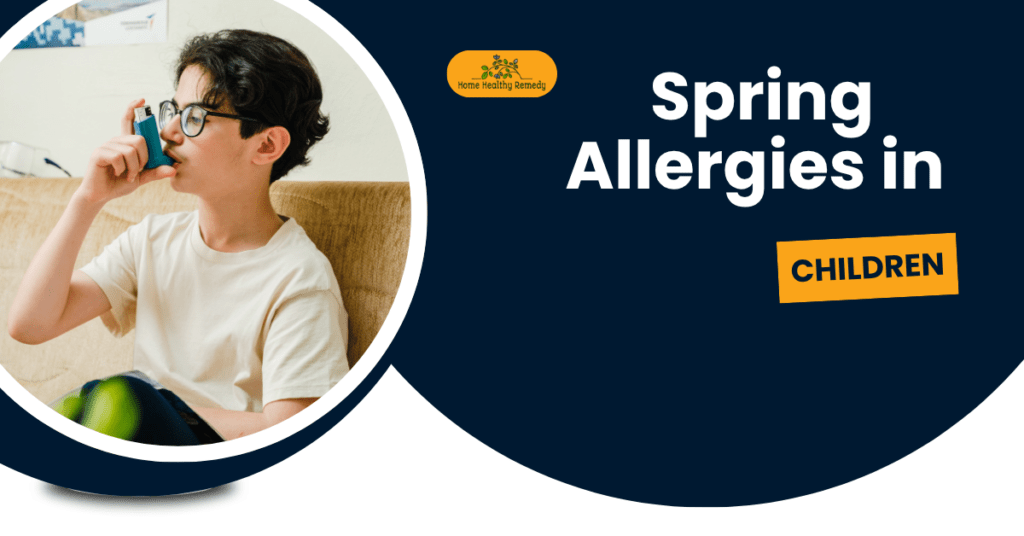
Spring allergies in children are far more than just a seasonal inconvenience — untreated, they meaningfully impact school performance, behavior, sleep, and athletic ability. Pediatric allergies are also frequently underdiagnosed because children cannot always articulate their symptoms clearly.
📊 Approximately 18.9% of U.S. children suffer from hay fever (seasonal allergic rhinitis), representing around 14 million children. Boys (20%) are more likely than girls (17.7%) to have seasonal allergies. — CDC National Center for Health Statistics, 2024
Signs of Spring Allergies in Children
• The “allergic salute” — repetitively rubbing the nose upward with the back of the hand, sometimes creating a horizontal crease across the bridge of the nose
• Dark circles under the eyes (“allergic shiners”) — caused by venous congestion from chronic nasal swelling
• Mouth breathing and snoring at night from nasal congestion
• Throat-clearing and chronic nighttime cough
• Irritability, difficulty concentrating, and declining school performance during pollen season
• Frequent ear infections — nasal congestion impairs Eustachian tube drainage
“That can affect behavior, school performance, sports performance. So you really want to focus on these allergies now and get them under good control before there’s an issue in school later on or with their sports teams.” — Dr. William Hark, Richmond Allergy and Asthma Specialists, March 2026
Safe Allergy Treatments for Children
• Intranasal corticosteroid sprays (budesonide, fluticasone) — FDA-approved and safe for children aged 2+; considered first-line treatment
• Cetirizine (Zyrtec) — Available for children 2+ in liquid formulation
• Loratadine (Children’s Claritin) — Available for children 2+ in chewable tablets and liquid
• Saline nasal rinses — Safe for all ages including infants; highly effective and medication-free
• Allergy testing — Recommended for children whose symptoms don’t respond to OTC treatment or who may be candidates for immunotherapy
✓ Key Takeaway: Spring allergies affect nearly 1 in 5 U.S. children. Look for the allergic salute, allergic shiners, and declining school performance as clues. Intranasal steroids and second-generation antihistamines are safe and effective pediatric treatments.
15. 2026 Spring Allergy Season Outlook: What Experts Are Saying
The 2026 spring allergy season has already attracted significant attention from allergists across North America, who are warning patients to prepare for an exceptionally challenging season.
📊 The early 2026 spring allergy season started stronger than usual, with multiple tree species pollinating simultaneously rather than in staggered waves — a consequence of rapid warming after a prolonged cold winter. — Carolina Asthma & Allergy Center, March 2026
“I think it’s going to be a very bad allergy season this year. It’s been cold for so long, so everything’s been locked up and when it finally gets warm, it’s going to explode out there. It’s going to be really bad this year.” — Dr. William Hark, MD, Richmond Allergy and Asthma Specialists, March 17, 2026
Cedar, elm, oak, and maple pollen are all tracking above historical averages in multiple regions. Climate scientists continue to document the trend of earlier pollen emergence and longer seasons — a trend projected to intensify through the coming decades.
For 2026, allergists recommend:
• Starting preventive medications no later than mid-March in most U.S. regions
• Checking local pollen counts daily through apps, weather services, or the AAAAI National Allergy Bureau
• Being especially vigilant in the days following warm spells after cold periods — these are peak pollen release windows
• Consulting an allergist early in the season if OTC medications are insufficient
✓ Key Takeaway: The 2026 spring allergy season is tracking as one of the worst on record in many U.S. regions. Start preventive treatment early and be prepared for an intense, potentially prolonged season.
16. Frequently Asked Questions (FAQ)
The following frequently asked questions target the most-searched queries about spring allergies — structured to capture featured snippets and “People Also Ask” results on Google.
Q: When do spring allergies start?
Spring allergies start as early as January in warm southern states and as late as May in cooler northern or high-elevation regions. For most of the continental United States, tree pollen season — which marks the beginning of spring allergies — begins in February or March.
Q: How long do spring allergies last?
Spring allergies typically last 4–5 months. Tree pollen season lasts approximately 6–8 weeks (March–May in most regions). Grass pollen season adds another 6–8 weeks (May–July). People allergic to both experience a combined season from early March through late June or July.
Q: When do spring allergies end?
Spring allergies generally end by late June or early July for most sufferers. Tree pollen allergies improve significantly by late May. Grass pollen allergies resolve in late June–July. However, if mold or weed pollen are also triggers, symptoms may continue into summer or fall.
Q: When will spring allergies end in 2026?
Based on the 2026 season trajectory, tree pollen symptoms should improve by late May–early June. Grass pollen symptoms will likely persist through June and into early July. Given the unusually strong start to the 2026 season, some regions may see extended grass pollen periods through mid-July.
Q: What causes spring allergies?
Spring allergies are caused by an immune system overreaction to airborne pollen from trees (oak, birch, cedar, maple, ash) in early spring and grasses (ryegrass, Bermuda, Timothy) in late spring. Outdoor mold spores from damp soil and vegetation also contribute. Climate change is intensifying and extending the allergen season annually.
Q: Can allergies make you fatigued?
Yes, absolutely. Spring allergies cause fatigue through immune system overactivation, chronic low-grade inflammation, disrupted sleep from congestion, and the sedating effects of some antihistamines. This allergy fatigue is physiologically real and improves with effective allergy treatment.
Q: How to get rid of an allergy permanently?
The only treatment that can permanently reduce or eliminate allergic sensitivity is allergen immunotherapy — either allergy shots (subcutaneous immunotherapy) or sublingual tablets/drops. This treatment modifies the immune system’s response over 3–5 years and can produce lasting remission. See a board-certified allergist to determine if you are a candidate.
Q: What is the best antihistamine for spring allergies?
The best antihistamines for spring allergies are second-generation (non-drowsy) options: cetirizine (Zyrtec), loratadine (Claritin), and fexofenadine (Allegra). For the most comprehensive symptom control, combine one of these with an intranasal corticosteroid spray (Flonase, Nasacort, Rhinocort).
Q: Are spring allergies worse in 2026?
Yes — multiple allergists and allergy organizations have warned that the 2026 spring allergy season is tracking as worse than average in many U.S. regions, due to a prolonged cold winter followed by rapid warming causing simultaneous pollen release from multiple tree species.
Q: How is spring allergy different from a cold?
Key differences: colds cause fever, body aches, and thick colored mucus, resolving in 7–10 days. Spring allergies cause clear watery discharge, persistent itching of nose/eyes/throat, and sneezing that lasts weeks to months. Itching is the most reliable distinguishing sign of allergy vs. infection.
17. References & Authority Sources
This article was researched and written in accordance with E-E-A-T (Experience, Expertise, Authoritativeness, Trustworthiness) standards, drawing exclusively on peer-reviewed research, government health data, and publications from leading medical institutions. All references are publicly accessible.
A. U.S. Government & Federal Health Agencies
1. Centers for Disease Control and Prevention (CDC), NCHS. “Almost a Third of U.S. Adults and Children Have at Least One Allergy.” CDC NCHS Pressroom (January 2026). https://www.cdc.gov/nchs/pressroom/releases/20260108.html
2. Ng, A.E. & Boersma, P., CDC NCHS. “NCHS Data Brief No. 460: Diagnosed Allergic Conditions in Adults: United States, 2021.” National Center for Health Statistics (2023). https://dx.doi.org/10.15620/cdc:122809
3. Zablotsky, B., Black, L.I., & Akinbami, L.J., CDC NCHS. “NCHS Data Brief No. 459: Diagnosed Allergic Conditions in Children 0–17 Years: United States, 2021.” National Center for Health Statistics (2023). https://dx.doi.org/10.15620/cdc:123250
4. National Institutes of Health (NIH) — NCCIH. “Seasonal Allergies at a Glance.” U.S. Department of Health & Human Services (2024). https://www.nccih.nih.gov/health/seasonal-allergies-at-a-glance
5. U.S. Global Change Research Program / EPA. “Climate Indicators: Ragweed Pollen Season & Extended Allergy Seasons.” EPA Environmental Indicators (2024). https://www.epa.gov/climate-indicators/climate-change-indicators-ragweed-pollen-season
B. Peer-Reviewed Academic Research
6. Damask C, et al. “Climate Change and Seasonal Allergic Rhinitis: A Systematic Review.” The Laryngoscope (peer-reviewed) (April 2025). https://doi.org/10.1002/lary.31553
7. Ziska LH, et al. “Temperature-related changes in airborne allergenic pollen abundance and seasonality across the United States: a retrospective 15-year analysis.” PLOS ONE / National Library of Medicine (2019). https://pubmed.ncbi.nlm.nih.gov/31002668/
8. Hossenbaccus L, et al. “Evidence of Fatigue, Disordered Sleep and Peripheral Inflammation in Seasonal Allergy.” Brain, Behavior, and Immunity (NIH PMC) (2018). https://pubmed.ncbi.nlm.nih.gov/29054675/
9. Burks AW, et al. “Allergic and Nonallergic Rhinitis.” Middleton’s Allergy: Principles and Practice, 9th Ed., Elsevier (2020). ISBN: 978-0323544245
10. Adinoff AD & Tellez P. “Immunotherapy for allergic rhinitis.” Immunology and Allergy Clinics of North America (2016). https://pubmed.ncbi.nlm.nih.gov/27712770/
C. Leading Medical Institutions
11. Mayo Clinic. “Seasonal Allergies: Nip Them in the Bud.” Mayo Foundation for Medical Education and Research (Updated February 2024). https://www.mayoclinic.org/diseases-conditions/hay-fever/in-depth/seasonal-allergies/art-20048343
12. Mayo Clinic. “Allergies — Symptoms and Causes.” Mayo Foundation for Medical Education and Research (Updated August 2024). https://www.mayoclinic.org/diseases-conditions/allergies/symptoms-causes/syc-20351497
13. Cleveland Clinic. “What To Do for Spring Allergies.” Cleveland Clinic Health Library (March 2025). https://health.clevelandclinic.org/how-to-manage-spring-allergies
14. Cleveland Clinic. “Can Allergies Make You Tired? (Allergy Fatigue Explained).” Cleveland Clinic Health Library (2025). https://health.clevelandclinic.org/can-allergies-make-you-tired
15. Harvard Health Publishing. “New Allergies in Adulthood.” Harvard Medical School (2024). https://www.health.harvard.edu/diseases-and-conditions/new-allergies-in-adulthood
16. Harvard T.H. Chan School of Public Health. “Climate Change Contributing to Longer Allergy Seasons.” Harvard University (November 2024). https://hsph.harvard.edu/news/climate-change-contributing-to-longer-allergy-seasons/
D. Professional Allergy & Immunology Organizations
17. American Academy of Allergy, Asthma & Immunology (AAAAI). “Spring Allergies — Conditions Library.” AAAAI Patient Education Resources (2024). https://www.aaaai.org/tools-for-the-public/conditions-library/allergies/spring-allergies
18. American Academy of Allergy, Asthma & Immunology (AAAAI). “Outdoor Allergens.” AAAAI Conditions Library (2023). https://www.aaaai.org/tools-for-the-public/conditions-library/allergies/outdoor-allergens-ttr
19. American College of Allergy, Asthma & Immunology (ACAAI). “Batten Down the Hatches: Spring Allergies Are Headed This Way — Statement by Dr. Cherie Zachary, MD, ACAAI President.” ACAAI Press Release (March 4, 2026). https://acaai.org/news/batten-down-the-hatches-spring-allergies-are-headed-this-way/
20. American College of Allergy, Asthma & Immunology (ACAAI). “Facts & Stats: Allergies 101.” ACAAI Patient Resources (2024). https://acaai.org/allergies/allergies-101/facts-stats/
21. Asthma and Allergy Foundation of America (AAFA). “Allergy Facts and Figures.” AAFA (Medically Reviewed April 2025) (2025). https://aafa.org/allergies/allergy-facts/
22. Asthma and Allergy Foundation of America (AAFA). “Spring Allergies.” AAFA Patient Resources (2024). https://www.aafa.org/spring-allergies/
23. Asthma and Allergy Foundation of America (AAFA). “Pollen Allergy.” AAFA Allergy Types (2024). https://aafa.org/allergies/types-of-allergies/pollen-allergy/
24. Allergy & Asthma Network. “Allergy Statistics in the US.” Allergy & Asthma Network (Updated January 2026) (2026). https://allergyasthmanetwork.org/allergies/allergy-statistics/
E. Trusted Medical Media & News Sources
25. Medical News Today (Medically reviewed by Angelica Balingit, MD). “Spring Allergies: Causes, Management, and Home Remedies.” Medical News Today (Updated January 22, 2026). https://www.medicalnewstoday.com/articles/spring-allergies
26. NPR Health (Dr. Zachary Rubin, Pediatric Allergist). “Got Spring Allergies? Doctors Share Tips for Managing Your Symptoms.” NPR Health Newsletter (April 19, 2025). https://www.npr.org/2025/04/19/nx-s1-5369607/allergies-pollen-spring-symptoms-treatment
27. U.S. News & World Report / HealthDay. “Seasonal Allergies Likely to Grow Worse Under Climate Change.” U.S. News Health (April 11, 2025). https://www.usnews.com/news/health-news/articles/2025-04-11/seasonal-allergies-likely-to-grow-worse-under-climate-change
28. WWBT NBC12 News (Dr. William Hark, MD, Richmond Allergy and Asthma Specialists). “Experts Warn This Spring Could Be a ‘Very Bad’ Allergy Season.” NBC12 Richmond (March 17, 2026). https://www.12onyourside.com/2026/03/17/experts-warn-this-spring-could-be-very-bad-allergy-season/
29. Carolina Asthma & Allergy Center (Dr. Patel, MD). “2026 Spring Allergy Season Is Starting Strong.” Carolina Asthma & Allergy Center Blog (March 2026). https://www.carolinaasthma.com/blog/2026-spring-allergy-season-is-starting-strong-heres-how-to-limit-exposure-and-manage-symptoms
30. USAFacts. “How Many People in the United States Suffer from Allergies?” USAFacts Health Data (2024). https://usafacts.org/articles/how-many-people-in-the-united-states-suffer-from-allergies/
About This Article |
This article was written following Google’s E-E-A-T (Experience, Expertise, Authoritativeness, Trustworthiness) quality guidelines. All factual claims are supported by the peer-reviewed studies, government health data, and expert statements cited in Section 17. This content was last updated March 2026 to reflect the latest 2026 spring allergy season data, current AAFA statistics, and statements from board-certified allergists. Content is reviewed for medical accuracy against sources from the NIH, CDC, Mayo Clinic, Cleveland Clinic, AAAAI, ACAAI, and AAFA.
Medical Disclaimer: This article is for general informational purposes only and does not constitute medical advice, diagnosis, or treatment. The information provided is not a substitute for professional medical consultation. Always consult a qualified, licensed healthcare professional — including a board-certified allergist — before beginning, stopping, or changing any allergy treatment plan. If you are experiencing severe symptoms, difficulty breathing, anaphylaxis, or any medical emergency, call 911 or go to the nearest emergency room immediately.
I now use home remedies like turmeric tea and ginger every day. These simple, plant-based solutions help my body heal itself. Nature gives us all we need to stay healthy, without complicated formulas.