

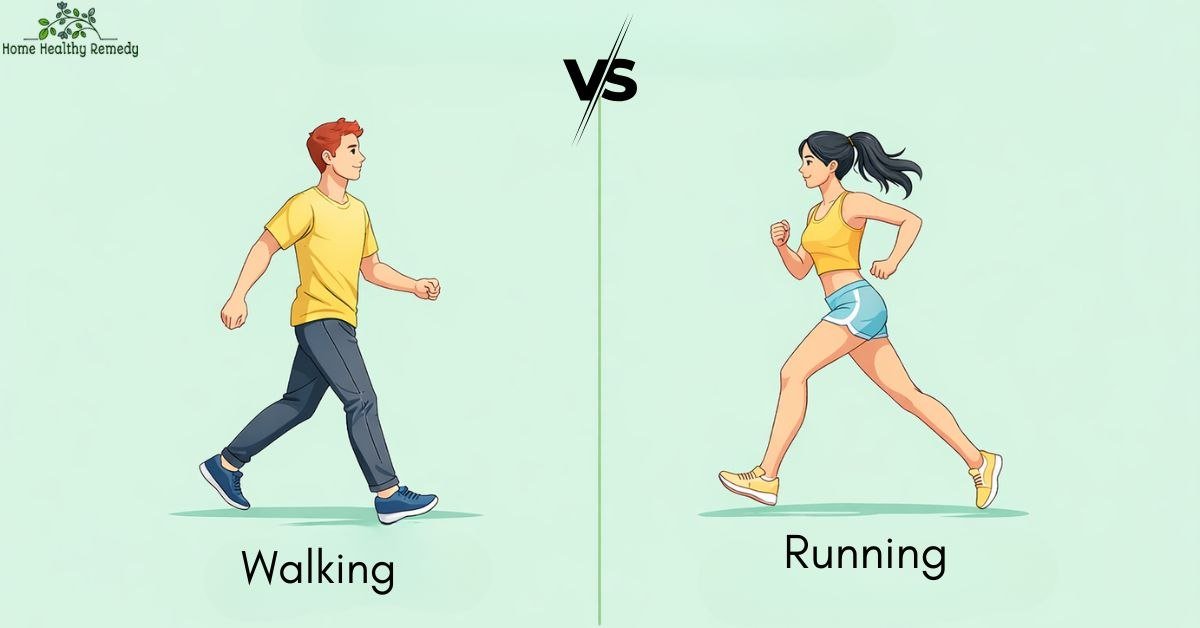
When it comes to cardio, few fitness questions spark more curiosity than the classic debate: walking and running? Some people swear by the calm rhythm of long walks, while others chase the rush and efficiency of a fast run. Both are simple, accessible, and require little more than comfortable shoes and a bit of motivation—yet choosing between them often feels surprisingly complicated.
The truth is, the answer isn’t as black and white as many people expect. Walking and running exist on the same movement spectrum, and both deliver powerful health benefits. They strengthen your heart, burn calories, boost mood, and support long-term wellness. The real difference lies in intensity, impact, time commitment, and how easily each habit fits into your daily life.
In today’s busy world, finding a workout you can stick to matters more than choosing the “perfect” one. Some people need quick, high-intensity workouts to match packed schedules, while others thrive with slower, more sustainable routines that feel enjoyable rather than exhausting. Your ideal pace depends on your goals, fitness level, lifestyle, and even your personality.
This article explores the science, benefits, myths, and practical strategies behind walking and running. By the end, you’ll understand how each approach affects your body and mind—and how to choose the pace that truly works for you. Because the real goal isn’t just moving faster or slower; it’s finding a rhythm you can maintain for life.
Why Pace Matters More Than You Think
When people think about exercise, they often focus on distance, time, or calories burned—but pace quietly influences every result your body experiences. The speed at which you move determines how your heart works, how your muscles use energy, and how sustainable your routine becomes over time. Choosing the right pace can mean the difference between building a lifelong habit and burning out after a few weeks.
Your body relies on different energy systems depending on how fast you move. At a slower pace, such as brisk walking, your body primarily burns fat for fuel and operates in a steady, sustainable zone. This makes it easier to exercise for longer periods without feeling exhausted. At a faster pace, like running, your body taps into stored carbohydrates for quick energy, pushing your cardiovascular system to work harder and adapt faster. Both approaches are valuable, but they serve different purposes.
Pace also plays a major role in injury prevention. Moving too fast too soon can strain joints, muscles, and ligaments, especially for beginners. On the other hand, choosing a comfortable and realistic pace allows your body to gradually build strength, endurance, and confidence. This gradual progression is key to staying consistent and avoiding setbacks.
Another overlooked factor is motivation. A pace that feels enjoyable encourages consistency, while one that feels overwhelming can quickly drain enthusiasm. When exercise feels manageable, it becomes easier to repeat daily, turning movement into a natural part of your lifestyle.
Ultimately, the “perfect pace” isn’t about speed—it’s about sustainability, comfort, and long-term progress. By finding a rhythm that challenges you without overwhelming you, you create a foundation for lasting fitness and overall well-being.
Walking vs. Running: The Real Fitness Goals Behind Each Step
Choosing between walking and running becomes much easier when you clearly define your fitness goals. Both activities support health, but they serve different purposes depending on what you want to achieve. Instead of asking which one is better, the smarter question is: Which one aligns with your goals right now?
- Weight Loss & Fat Burn: Running burns more calories per minute, making it ideal for people who want faster results in less time. Walking, however, supports steady fat loss through consistency and daily movement.
- Heart Health: Both improve cardiovascular fitness, but running boosts aerobic capacity faster. Walking still delivers powerful long-term heart protection when practiced regularly.
- Beginner Fitness: Walking is perfect for building a safe foundation. It helps your body adapt gradually without overwhelming joints or muscles.
- Endurance & Performance: Running challenges your stamina, speed, and lung capacity, making it the go-to choice for athletic goals.
- Mental Wellness: Walking offers relaxation and mindfulness, while running delivers an energetic endorphin rush that enhances mood and focus.
- Lifestyle Fit: Walking is easier to integrate into daily routines, while running suits people seeking time-efficient workouts.
Calories Burned: Speed vs. Consistency Showdown
When it comes to calorie burn, running often takes the spotlight because it delivers higher energy expenditure in less time. A faster pace demands more oxygen, engages more muscle fibers, and elevates your heart rate quickly, which naturally increases the number of calories burned per minute. This is why a short run can feel intense yet efficient. However, focusing only on speed tells only half the story. The real winner in fat loss and fitness is often consistency, not just intensity.
Walking may burn fewer calories per minute, but it has a powerful advantage: it’s easier to sustain for longer durations and higher frequency. Many people can comfortably walk for 45–60 minutes daily without feeling exhausted or needing long recovery periods. Over the course of a week, those longer sessions can add up to a similar—or even greater—total calorie burn compared to occasional runs. This makes walking especially effective for people building long-term habits or trying to stay active every day.
Another important factor is exercise adherence. High-intensity workouts can sometimes lead to fatigue or burnout, while walking feels approachable and sustainable. When a workout becomes part of your routine instead of a challenge you dread, you naturally move more often. Ultimately, the showdown between speed and consistency reveals a surprising truth: the best calorie-burning strategy isn’t necessarily the fastest—it’s the one you can repeat consistently, week after week, month after month.
Joint Impact & Injury Risk: Which Is Safer?
When comparing walking and running, one of the most important considerations is joint impact and injury risk. Running places significantly higher stress on the body because every stride creates a strong ground-reaction force that travels through the ankles, knees, hips, and lower back. Over time, this repetitive impact can increase the likelihood of overuse injuries, such as shin splints, runner’s knee, and plantar fasciitis—especially for beginners who increase intensity too quickly. However, this doesn’t mean running is unsafe. With proper running form, supportive footwear, and gradual progression, many runners train for years without major injuries.
Walking, on the other hand, is widely considered a low-impact exercise, making it gentler on joints and connective tissues. Because at least one foot stays in contact with the ground at all times, the body absorbs far less shock compared to running. This makes walking an excellent choice for beginners, older adults, individuals with joint concerns, or anyone recovering from injury. It allows people to stay active while minimizing strain and reducing the risk of setbacks.
Heart Health Benefits: Slow Cardio vs. High Intensity
When it comes to cardiovascular wellness, both slow cardio like brisk walking and high-intensity cardio like running play powerful roles in strengthening the heart. The heart is a muscle, and just like any muscle, it becomes stronger when challenged regularly. Walking at a steady pace improves blood circulation, lowers resting heart rate, and helps maintain healthy blood pressure levels. It also supports cholesterol balance by increasing good HDL cholesterol while reducing harmful LDL levels over time. Because walking is gentle and sustainable, people are more likely to stay consistent, which is one of the biggest factors in long-term heart protection.
On the other hand, high-intensity running pushes the cardiovascular system to work harder in a shorter amount of time. This leads to faster improvements in aerobic capacity, meaning your heart becomes more efficient at pumping oxygen-rich blood throughout the body. Running also enhances VO₂ max, a key marker of cardiovascular fitness linked to longevity and reduced risk of heart disease. Even short bursts of running can trigger significant improvements in heart strength and endurance.
Ultimately, the best approach isn’t about choosing one over the other—it’s about finding the right balance. Consistent movement, whether slow or fast, reduces the risk of heart disease, stroke, and metabolic conditions. Walking offers sustainability and safety, while running delivers efficiency and intensity. Together, they create a powerful combination for lifelong heart health and vitality.
Mental Health Boost: Movement as Medicine
In today’s fast-paced world, physical activity is no longer just about fitness—it has become a powerful tool for emotional well-being. Both walking and running act like natural therapy, helping the brain release endorphins, the feel-good chemicals that improve mood and reduce stress. Even a short daily walk can clear mental clutter, while a run can provide a powerful emotional reset after a long day. Movement encourages better sleep, sharper focus, and a stronger sense of control over your routine.
Regular cardio also reduces the impact of anxiety, depression, and daily mental fatigue. When you move your body, you shift attention away from worries and into the present moment. This simple change creates a calming effect similar to mindfulness or meditation. Over time, consistent movement builds resilience, helping you cope better with challenges and emotional pressure.
Key mental health benefits of walking and running include:
- Stress reduction: Lowers cortisol levels and promotes relaxation.
- Mood improvement: Boosts serotonin and dopamine for emotional balance.
- Better sleep quality: Helps regulate natural sleep cycles.
- Increased self-confidence: Achieving small fitness goals builds self-belief.
- Sharper focus: Improves blood flow to the brain and cognitive function.
- Emotional release: Running in particular can provide a strong “reset” effect.
Weight Loss Truth: Is Faster Always Better?
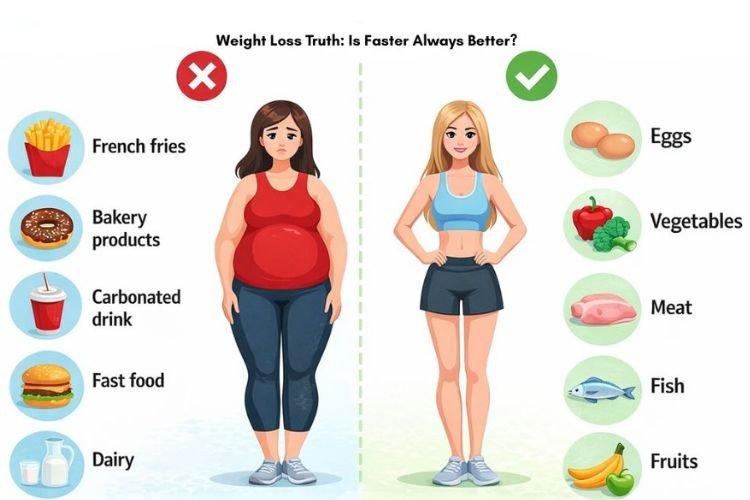
When it comes to weight loss, many people assume that running is automatically better than walking simply because it burns more calories per minute. While it’s true that higher intensity workouts can increase calorie burn in a shorter time, the real secret to fat loss is consistency, not speed. A short run that happens once or twice a week cannot compete with a daily walking routine that keeps your body active and your metabolism engaged.
Walking plays a powerful role in long-term fat loss because it is easier to sustain. It places less stress on the body, reduces fatigue, and allows you to stay active without feeling overwhelmed. Over time, this leads to a higher total weekly calorie burn, which is far more important than what happens in a single workout. In fact, many people who rely only on intense workouts burn out quickly and struggle to maintain a routine.
Another important factor is hormonal balance. Moderate exercise like brisk walking helps regulate stress hormones, which can influence appetite and fat storage. Running can also support weight loss, especially for those who enjoy higher intensity workouts, but it requires more recovery and may not be suitable for everyone.
Time Efficiency: Busy Schedules vs. Fitness Goals
In today’s fast-paced world, time efficiency often becomes the deciding factor in choosing between walking and running. Many people struggle to balance work, family, and personal responsibilities, leaving only small windows for exercise. This is where running shines as a high-impact, time-saving workout. A short 20–30 minute run can deliver strong cardiovascular benefits, burn a significant number of calories, and boost energy levels quickly. For individuals with tight schedules, running provides a powerful way to maximize results in minimal time.
However, walking offers a different kind of flexibility that fits seamlessly into everyday life. Unlike running, which often requires dedicated workout time, walking can be easily blended into daily routines. Commuting, taking the stairs, walking during phone calls, or enjoying an evening stroll all contribute to daily activity without requiring a strict fitness schedule. Over time, these small but consistent movement habits can add up to substantial health benefits.
The real key lies in matching your workout to your lifestyle. If you have limited free time and prefer structured workouts, running may help you reach your goals faster. If your schedule is unpredictable, walking provides a sustainable and stress-free way to stay active. Ultimately, the most effective exercise routine is the one that fits naturally into your day, making consistency easier and long-term success more achievable.
Who Should Walk and Who Should Run?
Choosing between walking and running often depends on your fitness level, health condition, and personal goals. For beginners, walking is usually the best starting point. It’s gentle on the body, easy to maintain, and helps build basic endurance without overwhelming muscles and joints. People who are overweight, recovering from injuries, or managing conditions like arthritis, high blood pressure, or joint pain may benefit more from walking because it provides cardiovascular benefits with lower impact and reduced injury risk.
Running, on the other hand, is ideal for individuals who already have a solid fitness foundation and want to improve cardiovascular endurance, speed, and time efficiency. If your goal is to burn more calories in less time, boost athletic performance, or train for events like races, running can deliver faster results. People who enjoy high-energy workouts and don’t have significant joint or mobility concerns often find running more motivating and rewarding.
Age and lifestyle also play an important role. Busy professionals may prefer running because it offers a quick, effective workout, while older adults or those seeking long-term sustainability often find walking easier to maintain daily. Ultimately, there’s no strict rule—many people benefit from combining both. The best choice is the one that feels safe, enjoyable, and consistent, because the workout you can stick with is always the most effective one.
Blending Both Worlds: The Walk-Run Strategy
The walk-run strategy is one of the most effective and beginner-friendly ways to improve fitness without overwhelming your body. Instead of choosing between walking and running, this approach combines both into a balanced cardio routine that builds endurance, burns calories, and reduces injury risk. By alternating short running intervals with brisk walking, your body gets the benefit of high-intensity effort while still allowing time to recover. This makes workouts feel more manageable, especially for beginners or those returning after a long break.
One of the biggest advantages of the walk-run method is its flexibility. You can easily adjust the ratio of walking to running depending on your fitness level and energy. Over time, you naturally build stamina and confidence without feeling exhausted or discouraged.
Key benefits of the walk-run strategy:
- Improves endurance gradually without excessive strain on joints
- Burns more calories than walking alone while staying sustainable
- Reduces injury risk by giving muscles time to recover between runs
- Boosts motivation by making workouts feel achievable and fun
- Fits busy schedules with customizable workout lengths
The Final Verdict
When the debate between walking and running finally settles, one truth becomes clear: there is no single winner. The real victory lies in consistency, enjoyment, and sustainability. Running may offer faster calorie burn and quicker cardiovascular improvements, but walking provides a low-impact, accessible, and highly sustainable way to stay active for life. Both forms of movement support heart health, improve mental well-being, and help manage weight when practiced regularly.What truly matters is choosing an activity that fits your lifestyle, fitness level, and long-term goals. If you thrive on intensity and have limited time, running can be an incredibly efficient workout. If you prefer a gentler, more relaxing approach that you can maintain daily, walking is equally powerful in the long run. In fact, many experts agree that combining both—through a walk-run routine—offers the best of both worlds by balancing endurance, fat burning, and injury prevention.

I now use home remedies like turmeric tea and ginger every day. These simple, plant-based solutions help my body heal itself. Nature gives us all we need to stay healthy, without complicated formulas.