

If you wake up tired, drag yourself through the afternoon, and collapse on the couch by evening — you are not alone. In 2026, fatigue has become one of the most common health complaints worldwide. A report published by the World Health Organization (WHO) estimates that nearly 1 in 3 adults report persistent fatigue affecting their daily life.
The problem is rarely solved by another cup of coffee or an energy drink. In fact, those quick fixes often make things worse — spiking cortisol, disrupting sleep, and leaving you more drained than before.
The good news? There are deeply effective, science-backed, and completely natural energy boost strategies that can genuinely transform your energy levels — not just for a few hours, but sustainably, long term. This article brings you the most advanced healthcare tips for a natural energy boost in 2026, grounded in the latest research and written for real people living real lives.
1. Understand What’s Actually Draining Your Energy
Before fixing a problem, you need to understand it. Natural energy boost isn’t always one thing — it’s usually a combination of factors quietly stacking against you.
The most common energy drains in 2026 include:
- Poor sleep quality (not just quantity)
- Nutritional deficiencies (iron, B12, magnesium, Vitamin D)
- Sedentary lifestyle paradox — sitting too much makes you more tired
- Chronic low-grade stress and cortisol dysregulation
- Poor gut health affecting nutrient absorption
- Dehydration (even mild dehydration drops cognitive performance by up to 15%)
- Environmental toxins and digital overstimulation
Recognizing which of these applies to you is the first — and most important — step. Consider keeping a simple natural energy boost journal for one week: note your energy levels at three points each day (morning, midday, evening) and correlate them with your sleep, meals, stress, and screen time. Patterns will emerge quickly.
Source: Centers for Disease Control and Prevention – Fatigue Overview
2. Nutrition as Medicine: Eat to Energize, Not Just to Fill Up
Food is your body’s fuel. But not all fuel burns clean. In 2026, nutrition science has moved far beyond basic calorie counting — it now focuses on mitochondrial health, glycemic variability, and microbiome diversity as the true drivers of sustained energy.
2a. Prioritize Low-Glycemic, Nutrient-Dense Foods
Blood sugar swings are one of the biggest hidden causes of natural energy boost crashes. When you eat high-sugar or refined-carb foods, your blood sugar spikes and then crashes — and that crash is what you feel as the “afternoon slump.”
Instead, build meals around:
- Complex carbohydrates: sweet potatoes, oats, lentils, quinoa
- Lean proteins: eggs, chicken, tofu, legumes
- Healthy fats: avocado, olive oil, nuts, seeds
- Fiber-rich vegetables: spinach, broccoli, kale, zucchini
These combinations slow glucose release, keeping your energy even and your brain focused throughout the day.
2b. The Mitochondria-Energy Connection
Mitochondria are the powerhouses of your cells — they produce ATP (adenosine triphosphate), which is literally your body’s natural energy boost currency. Certain nutrients are essential for mitochondrial function:
- CoQ10 (found in fatty fish, organ meats)
- Magnesium (found in dark chocolate, pumpkin seeds, almonds)
- B vitamins — especially B1, B2, B3, B5, and B12
- Alpha-lipoic acid (found in spinach, broccoli, yeast)
- Iron (found in red meat, lentils, fortified cereals)
If you’re consistently low in any of these, no amount of willpower will make you feel energized. A simple blood panel from your doctor can identify deficiencies in 20 minutes.
2c. The Gut-Energy Link
Research from Harvard Medical School confirms that approximately 95% of serotonin — a mood and energy-regulating neurotransmitter — is produced in the gut. An unhealthy gut microbiome doesn’t just cause bloating; it saps your energy, clouds your thinking, and disrupts your sleep.
To support your gut:
- Eat at least 30 different plant-based foods per week (variety = microbiome diversity)
- Include fermented foods: yogurt, kefir, kimchi, sauerkraut, miso
- Reduce ultra-processed foods, artificial sweeteners, and excess alcohol
- Consider a high-quality probiotic if recommended by your healthcare provider
Source: Harvard Health Publishing – The Gut-Brain Connection
3. Hydration: The Most Underrated Energy Hack
Here’s something most people don’t realize: by the time you feel thirsty, you’re already mildly dehydrated — and even 1-2% dehydration can impair physical and cognitive performance significantly.
Water is involved in nearly every biological process in your body, including natural energy boost production. Your mitochondria literally need water to generate ATP.
Advanced hydration tips for 2026:
- Start your morning with 500ml (about 16 oz) of water before coffee or food
- Add a pinch of high-quality sea salt and a squeeze of lemon — this creates a natural energy boost electrolyte solution
- Drink small amounts consistently throughout the day rather than large amounts at once
- Limit diuretics (coffee, alcohol, natural energy boost drinks) that cause net fluid loss
- Use a smart water bottle or app reminder if you struggle to track intake
- Eat water-rich foods: cucumber, watermelon, celery, oranges
Daily hydration target: roughly 35ml per kilogram of body weight — more if you exercise or live in a hot climate.
Source: National Institutes of Health – Water and Hydration
4. Sleep Optimization: Quality Over Quantity
Everyone knows sleep is important. But in 2026, sleep science has advanced enormously — and the focus has shifted from simply “getting 8 hours” to optimizing sleep architecture (the quality and structure of your sleep cycles).
4a. Understand Your Sleep Cycles
A full sleep cycle lasts approximately 90 minutes and includes light sleep, deep (slow-wave) sleep, and REM sleep. You need 4-6 of these cycles per night. Disrupting cycles — even if you’re in bed for 8 hours — leaves you groggy and fatigued.
4b. Advanced Sleep Hygiene Practices
- Consistent sleep-wake times: Your circadian rhythm is a biological clock. Going to bed and waking at the same time every day (yes, weekends too) is one of the most powerful things you can do.
- Temperature: The ideal bedroom temperature for sleep is between 60–67°F (15–19°C). A cool room signals to your brain that it’s time to sleep.
- Light control: Exposure to blue light (phones, laptops) in the evening suppresses melatonin production. Use blue-light glasses or night mode after sunset.
- Magnesium before bed: Magnesium glycinate (200–400mg) has strong evidence for improving sleep quality and reducing nighttime cortisol. Consult your doctor before supplementing.
- Limit alcohol: While it may help you fall asleep faster, alcohol severely disrupts REM sleep — leaving you less restored, not more.
4c. Sleep Tech in 2026
Wearable devices like the Oura Ring, Fitbit, and Apple Watch now offer advanced sleep tracking that identifies your sleep stages, HRV (heart rate variability), and breathing patterns. Using this data can help you identify what’s interfering with your sleep and measure improvements over time.
Source: Sleep Foundation – Sleep Hygiene
5. Movement Medicine: Exercise as an Energy Generator
It sounds counterintuitive — spending energy to get energy — but exercise is one of the most evidence-based natural energy boost available.
Regular physical activity:
- Increases mitochondrial density in muscle cells (more natural energy boost factories)
- Improves cardiovascular efficiency (your heart pumps more oxygen with less effort)
- Reduces cortisol and inflammation
- Boosts endorphins, dopamine, and serotonin
- Improves sleep quality
5a. The Type of Exercise Matters
You don’t need to run marathons. In fact, excessive cardio can increase cortisol and worsen fatigue. In 2026, the most effective exercise protocols for sustained energy are:
- Zone 2 cardio: Low-intensity steady-state exercise (walking briskly, cycling, swimming) where you can hold a conversation. 30-45 minutes, 3-4x per week.
- Strength training: 2-3 sessions per week of resistance training improves muscle insulin sensitivity — meaning your body uses carbohydrates for energy more efficiently.
- NEAT (Non-Exercise Activity Thermogenesis): Simply moving more throughout the day — taking stairs, walking calls, standing — contributes enormously to natural energy boost and metabolism.
5b. The 5-Minute Energy Reset
When you’re mid-day and crashing, don’t reach for caffeine. Try this instead:
- 20 jumping jacks or brisk walk for 2 minutes
- 5 deep diaphragmatic breaths
- Cold water splash on your face
This activates your sympathetic nervous system, clears adenosine (the sleepiness chemical), and resets focus — naturally.
Source: American College of Sports Medicine – Exercise and Energy
6. Sunlight and Circadian Rhythm Alignment
In 2026, chronobiology — the science of biological rhythms — is recognized as foundational to natural energy boost health. Your body runs on a 24-hour internal clock (circadian rhythm) that governs cortisol, melatonin, metabolism, and alertness.
Morning sunlight is the most powerful free tool you have.
Getting 10-20 minutes of natural natural energy boost boost sunlight within the first hour of waking:
- Triggers a cortisol awakening response (your body’s natural morning alarm)
- Suppresses melatonin and sets your sleep timer for the evening
- Boosts mood via serotonin production
- Regulates Vitamin D synthesis
Vitamin D deficiency is epidemic globally — with studies suggesting over 40% of adults in many countries are deficient. Low Vitamin D is directly linked to fatigue, low mood, and weakened immunity.
Even on cloudy days, outdoor light is significantly more powerful than indoor lighting. Make morning sun exposure non-negotiable.
Source: Stanford University – Andrew Huberman Lab on Circadian Rhythms
7. Stress Management: The Cortisol-Energy Equation
Chronic stress is arguably the number one silent natural energy boost killer of modern life. When stress is sustained, cortisol remains chronically elevated — disrupting sleep, depleting nutrients, causing inflammation, and suppressing cellular energy production.
7a. Adaptogens: Nature’s Stress Buffer
Adaptogens are a class of herbs shown to modulate the body’s stress response. The most well-researched for energy in 2026 include:
- Ashwagandha (Withania somnifera): Reduces cortisol by up to 30% in clinical studies. Supports thyroid function and adrenal health.
- Rhodiola rosea: Clinically shown to reduce fatigue and improve mental performance, especially in high-stress situations.
- Eleuthero (Siberian Ginseng): Improves stamina and physical endurance.
- Panax Ginseng: Supports cognitive energy, immune function, and alertness.
Always consult a qualified healthcare provider before using supplements, especially if you’re on medications.
7b. Breathwork for Instant Energy
The breath is your fastest tool for shifting nervous system states. Two protocols with strong evidence:
Physiological Sigh (for calm alertness): Double inhale through the nose (sniff then sniff again), long exhale through the mouth. This offloads CO2, the fastest way to reduce physiological stress.
Box Breathing (for focus): Inhale 4 counts → Hold 4 → Exhale 4 → Hold 4. Repeat 4-6 cycles.
Source: American Psychological Association – Stress and Health
8. Digital Wellness: Protecting Your Cognitive Energy
In 2026, digital overload is a recognized health concern. Constant notifications, social media scrolling, and multitasking fragment attention and create a state of “continuous partial attention” — which is mentally exhausting even when nothing stressful is happening.
Practical digital wellness strategies:
- Phone-free mornings: Wait at least 30 minutes after waking before checking your phone
- Notification audit: Turn off all non-essential notifications permanently
- Single-tasking: Focus on one task at a time — multitasking reduces efficiency by up to 40%
- Screen breaks: Use the 20-20-20 rule — every 20 minutes, look at something 20 feet away for 20 seconds
- Digital sunset: No screens 60-90 minutes before bed
Cognitive natural energy boost is just as real as physical energy. Protecting it is not optional — it’s healthcare.
Source: World Health Organization – Digital Health
9. Social Connection and Purposeful Living
This one surprises people, but the research is clear: loneliness and lack of purpose are significant drivers of fatigue.
A landmark study published in JAMA Internal Medicine found that people with strong social ties reported 50% higher natural energy boost levels and significantly lower rates of chronic disease compared to socially isolated individuals.
Having something meaningful to wake up for — a community, a creative project, relationships that matter — is a genuine biological energy signal. It activates the brain’s reward circuitry (dopamine system) and reduces baseline stress hormones.
Practical steps:
- Prioritize one quality social interaction per day (not scrolling — real conversation)
- Join a group aligned with your values or interests
- Practice gratitude — it genuinely shifts the brain’s threat-detection system toward positive anticipation
- Volunteer — giving back is one of the most powerful wellbeing boosters documented in psychology research
Source: Harvard Study of Adult Development – Longevity and Connection
10. Advanced Healthcare Habits Worth Adopting in 2026
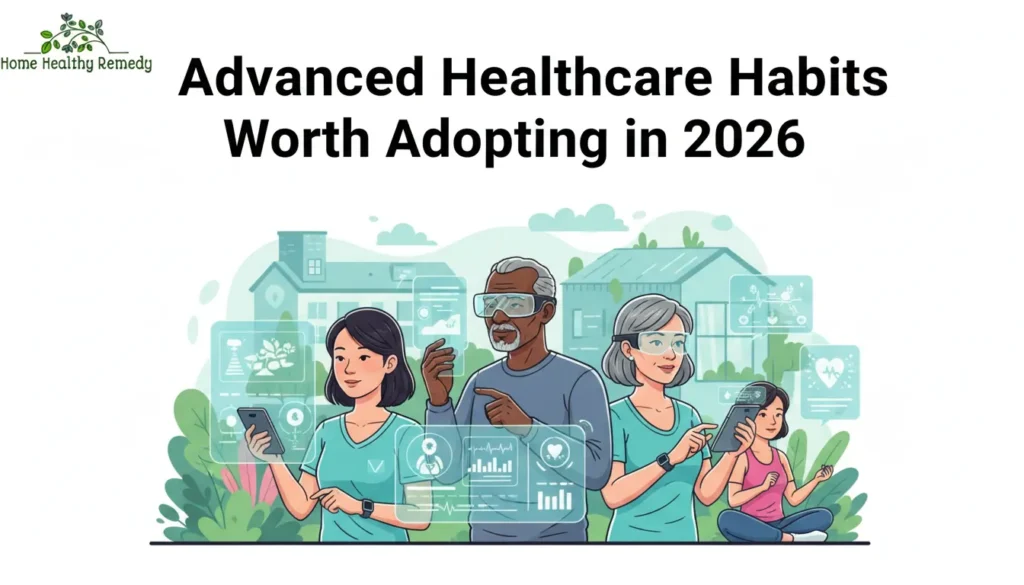
Here are some next-level practices that are gaining strong evidence in 2026:
Cold Exposure (Deliberate Cold Therapy)
Brief cold showers (30-90 seconds) or cold plunges trigger norepinephrine release — a neurotransmitter strongly associated with alertness, focus, and mood elevation. Research from the Radboud University Medical Center shows cold exposure increases norepinephrine by 200-300%.
Intermittent Fasting for Metabolic Energy
Time-restricted eating (e.g., eating within a 10-12 hour window) allows your body to shift into fat-burning mode (beta-oxidation), which produces a steadier, cleaner form of natural energy boost than constant glucose burning. It also promotes autophagy — cellular cleanup that improves mitochondrial efficiency.
Grounding (Earthing)
Emerging research suggests that direct physical contact with the earth’s surface (walking barefoot on grass, sand, or soil) may help regulate inflammation and circadian rhythms through electron transfer. While more research is ongoing, the practice carries no risk and considerable anecdotal benefit.
Regular Health Screenings
Don’t guess — measure. Annual or bi-annual blood work should include:
- Complete blood count (CBC)
- Iron and ferritin levels
- Thyroid panel (TSH, T3, T4)
- Vitamin D (25-OH)
- B12 and folate
- Fasting glucose and insulin
- Cortisol (morning)
Catching a deficiency or subclinical condition early is infinitely easier than managing it later.
Source: Mayo Clinic – Preventive Health Screenings
Quick-Reference: Daily Natural Energy Boost Routine (2026)
| Time | Action | Benefit |
|---|---|---|
| 6:30 AM | Drink 500ml water + lemon | Rehydration, alkalizing |
| 6:45 AM | 10-20 min outdoor sunlight | Circadian reset, Vitamin D |
| 7:00 AM | High-protein breakfast | Stable blood sugar |
| 10:00 AM | Short walk or movement break | Clear adenosine, reset focus |
| 12:00 PM | Balanced lunch, phone-free | Energy-sustaining, reduces cortisol |
| 2:30 PM | Physiological sigh or breathwork | Combat afternoon slump |
| 6:00 PM | Zone 2 exercise or yoga | Mitochondrial health |
| 8:30 PM | Screens off, magnesium + herbal tea | Sleep preparation |
| 9:30 PM | Consistent bedtime | Circadian rhythm regulation |
Frequently Asked Questions (FAQ)
Q1. What is the fastest natural way to boost energy without caffeine?
The fastest natural energy boost are: drinking a large glass of cold water, getting 5-10 minutes of sunlight or bright outdoor light, doing 2-3 minutes of vigorous movement (jumping jacks, brisk walk), and performing a physiological sigh (double inhale through nose, long exhale through mouth). These all work within minutes and have no crash afterward.
Q2. What vitamins are best for energy in 2026?
The most evidence-backed vitamins and minerals for natural energy boost include: Vitamin B12 (especially for vegetarians/vegans), Iron (especially for women), Magnesium (for mitochondrial function and sleep), Vitamin D3 (especially in low-sunlight climates), and CoQ10 (for mitochondrial support). Always test before supplementing — not every person is deficient in the same nutrients.
Q3. How does sleep quality affect daytime energy?
Profoundly. Poor sleep — even one or two nights — reduces prefrontal cortex function, increases cortisol, raises inflammation, and severely impairs mitochondrial recovery. Over time, chronic poor sleep is linked to obesity, diabetes, cardiovascular disease, and depression — all of which further drain energy. Improving sleep is the single most impactful thing most people can do for their energy.
Q4. Can diet alone fix chronic fatigue?
Diet is foundational but rarely sufficient on its own. Chronic fatigue is multifactorial — it involves sleep, movement, stress, hydration, social health, and sometimes underlying medical conditions (like thyroid dysfunction, anemia, or sleep apnea). If fatigue persists despite healthy lifestyle changes, consult a physician to rule out clinical causes.
Q5. Are energy drinks bad for you?
Most conventional energy drinks contain high doses of caffeine, sugar, and synthetic stimulants that cause blood sugar spikes, cortisol elevation, and rebound fatigue. They can also disrupt sleep if consumed in the afternoon or evening. Occasional use may be harmless, but relying on them daily is counterproductive to long-term energy health.
Q6. What is the role of gut health in energy levels?
The gut microbiome influences energy through multiple pathways: nutrient absorption (poor gut health = poor nutrient uptake), neurotransmitter production (95% of serotonin is made in the gut), inflammation regulation, and even mitochondrial signaling. Improving gut health through diet, probiotics, and stress reduction can have significant and lasting effects on energy.
Q7. How much water should I drink per day for optimal energy?
A practical formula: 35ml × your body weight in kg. For a 70kg person, that’s approximately 2.45 liters per day. Increase this in hot weather, during exercise, or if you consume diuretics like coffee or alcohol. Electrolytes matter too — plain water isn’t always enough for active individuals.
Conclusion: Energy Is a Daily Practice, Not a Product
The natural energy boost you feel — or don’t feel — is a direct reflection of the cumulative choices you make each day. Sleep, nutrition, hydration, movement, stress management, social connection, sunlight exposure — these are not optional lifestyle extras. They are the foundation of your biological vitality.
In 2026, we have more tools, more data, and more understanding than ever before about how the human body generates and sustains energy. The advanced healthcare tips outlined in this article are not hacks or shortcuts. They are evidence-based practices that, applied consistently, will genuinely transform how you feel — from the moment you wake up to the moment your head hits the pillow at night.
Start with one or two changes. Build from there. And if fatigue persists, please work with a qualified healthcare professional — your body may be asking for more specific support.
You deserve to feel truly alive.
Sources and External References
- World Health Organization (WHO) – Global fatigue and burnout statistics: https://www.who.int
- Harvard Health Publishing – The gut-brain connection and serotonin production: https://www.health.harvard.edu
- National Institutes of Health (NIH) – Hydration, dehydration, and cognitive performance: https://www.nih.gov
- Sleep Foundation – Sleep hygiene, circadian rhythm, and sleep architecture: https://www.sleepfoundation.org
- Centers for Disease Control and Prevention (CDC) – Fatigue and chronic health conditions: https://www.cdc.gov
- American College of Sports Medicine (ACSM) – Exercise guidelines and energy metabolism: https://www.acsm.org
- American Psychological Association (APA) – Chronic stress, cortisol, and health: https://www.apa.org
- Stanford University / Huberman Lab – Circadian rhythm, sunlight, and sleep science: https://hubermanlab.com
- Mayo Clinic – Preventive health screenings and fatigue causes: https://www.mayoclinic.org
- Harvard Study of Adult Development – Social connection and longevity: https://www.adultdevelopmentstudy.org
- JAMA Internal Medicine – Social ties and chronic disease risk: https://jamanetwork.com
- Radboud University Medical Center – Cold exposure and norepinephrine: https://www.radboudumc.nl

Natural home remedies, skincare secrets, dental & eye health tips, and real product reviews to help you stay healthy the natural way.