

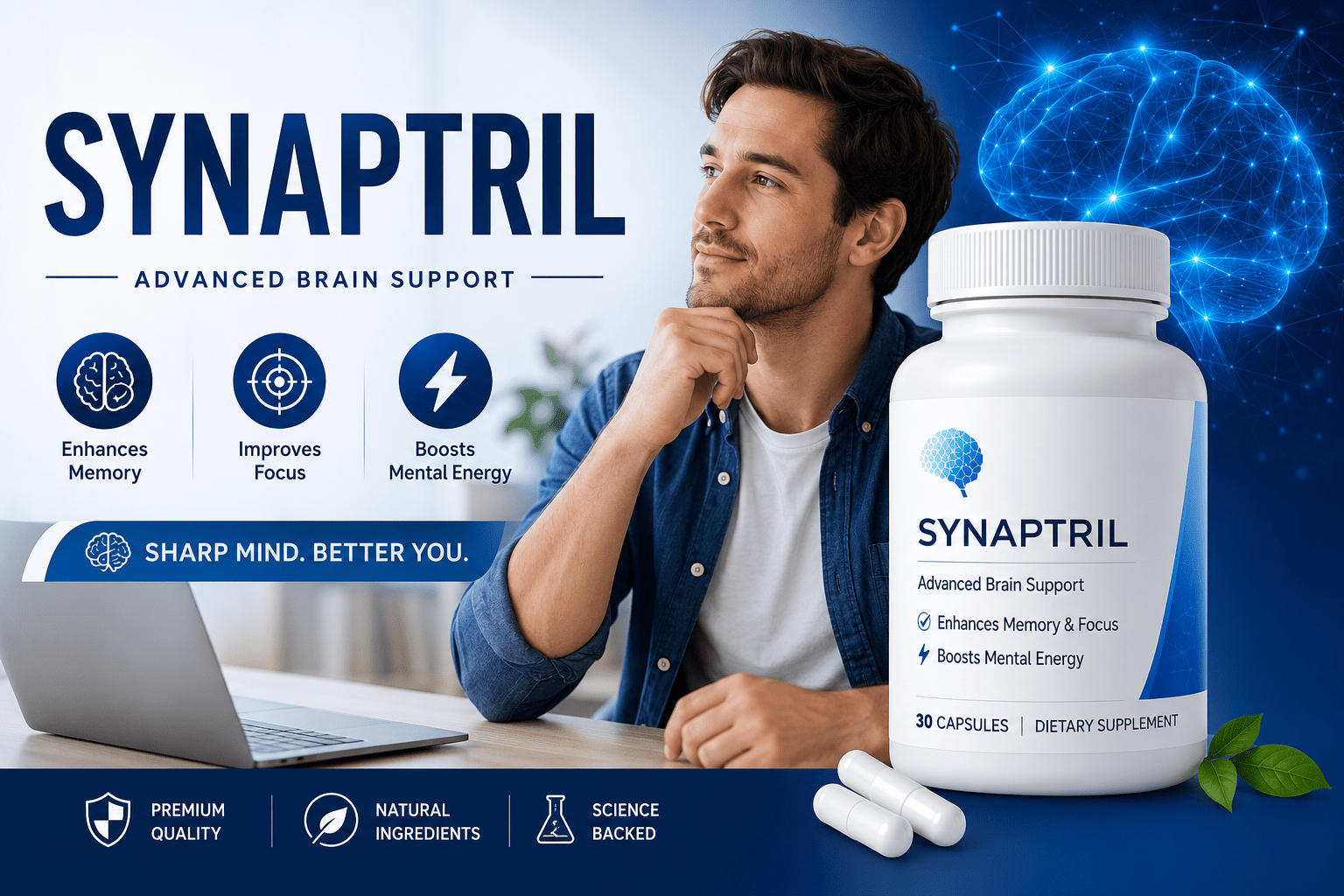
Quick Answer: Synaptril is a daily cognitive-support supplement formulated with brain-nourishing botanicals and nootropic compounds (such as Bacopa monnieri, Lion’s Mane extract, Ginkgo biloba, and Phosphatidylserine) that are commonly studied for their roles in memory retention, mental clarity, and focus. It is marketed as a stimulant-free, non-GMO capsule designed for adults dealing with brain fog, forgetfulness, or age-related cognitive decline. Below, we break down the ingredients, the science behind them, real-world expectations, pricing, and how Synaptril compares to other leading nootropic formulas on the market.
What Is Synaptril?
Synaptril is a dietary supplement positioned in the fast-growing brain health and nootropic supplement category. Like most modern cognitive-support formulas, it’s built around a blend of natural nootropics, adaptogens, and neuro-nutrients that are intended to support memory function, sharpen focus, and promote long-term brain wellness — without relying on synthetic stimulants like caffeine or prescription-grade compounds.
The supplement is typically taken once or twice daily and is marketed toward adults in their 30s through 60s who are noticing early signs of mental fatigue, difficulty concentrating, or occasional forgetfulness — a demographic that has driven massive growth in the brain health supplement market over the past few years.
According to market research, the global nootropics and cognitive health supplement industry has expanded rapidly as more people search for natural alternatives to support brain function amid rising screen time, chronic stress, and an aging population. Synaptril fits into this broader wellness trend as a natural, capsule-based option rather than a prescription nootropic or synthetic “smart drug.”
Important note: This article is for informational and educational purposes only. It is not medical advice. Always consult a licensed healthcare provider before starting any new supplement, particularly if you are pregnant, nursing, on medication, or managing an existing health condition.
How Does Synaptril Work?
Cognitive-support formulas like Synaptril generally work through a few overlapping mechanisms that are well documented in nutritional neuroscience research:
- Supporting cerebral blood flow — Ingredients like Ginkgo biloba are studied for their potential to support circulation to the brain, which may help deliver oxygen and nutrients more efficiently.
- Supporting neurotransmitter balance — Certain amino acids and herbal extracts are believed to support the synthesis of neurotransmitters like acetylcholine, which plays a central role in memory formation.
- Reducing oxidative stress — Many nootropic botanicals are rich in antioxidants that may help protect neurons from oxidative damage associated with aging and cognitive decline.
- Supporting neuroplasticity — Compounds such as Lion’s Mane mushroom extract have been studied for their potential role in supporting nerve growth factor (NGF) activity, which is linked to neural repair and plasticity.
It’s worth noting that dietary supplements are not designed to diagnose, treat, cure, or prevent any disease, and individual results can vary significantly based on age, baseline health, lifestyle, and consistency of use.
Key Ingredients in Synaptril and the Science Behind Them
Below is a breakdown of the ingredient categories commonly found in brain-support formulas like Synaptril, along with a summary of the existing research on each. (Always check the actual supplement facts panel on the product label, as formulations can vary by batch and manufacturer.)
Bacopa Monnieri
Bacopa monnieri is one of the most researched herbs in the nootropic space. A widely cited clinical trial published in Neuropsychopharmacology found that Bacopa monnieri supplementation over 12 weeks was associated with improvements in memory acquisition and retention in healthy adults. It’s classified as an adaptogen and has a long history of use in Ayurvedic medicine for cognitive support.
Lion’s Mane Mushroom (Hericium erinaceus)
Lion’s Mane has drawn significant scientific interest for its potential to stimulate nerve growth factor (NGF) production. A study published in Phytotherapy Research (Mori et al., 2009) found that older adults with mild cognitive impairment who took Lion’s Mane extract showed improved cognitive function scores compared to a placebo group during the supplementation period.
Ginkgo Biloba
Ginkgo biloba is among the best-selling herbal supplements worldwide and has been studied extensively for circulation and cognitive support. The U.S. National Center for Complementary and Integrative Health (NCCIH) notes that while some studies suggest modest benefits for memory and cognitive speed, results across trials remain mixed, and Ginkgo should not be considered a treatment for dementia.
Phosphatidylserine
Phosphatidylserine is a phospholipid that makes up a significant portion of brain cell membranes. Research summarized by the National Institutes of Health (NIH) Office of Dietary Supplements suggests phosphatidylserine supplementation may support memory function in older adults, though study sizes have generally been small.
Rhodiola Rosea
Rhodiola is an adaptogenic herb often included in nootropic stacks for its studied potential to reduce mental fatigue under stress. Research published in Phytomedicine has linked Rhodiola supplementation to reduced perceived fatigue and improved concentration during demanding cognitive tasks.
L-Theanine (commonly paired with these formulas)
L-Theanine, an amino acid found naturally in green tea, is frequently included in nootropic blends for its studied calming effect without sedation, often used to balance stimulant-free focus formulas.
Synaptril Benefits (What the Formula Is Designed to Support)
Based on the category of ingredients typically used in formulas like this, Synaptril is generally marketed to support:
- Memory recall and retention
- Focus and mental clarity during demanding tasks
- Reduced occasional brain fog
- Long-term brain cell health and neuroprotection
- Balanced mood and reduced mental fatigue
- Healthy circulation to the brain
As with any cognitive supplement, these are supportive wellness claims tied to the studied properties of the individual ingredients — not guarantees of a specific outcome for every user.
Synaptril vs. Synaptigen: How Do They Compare?
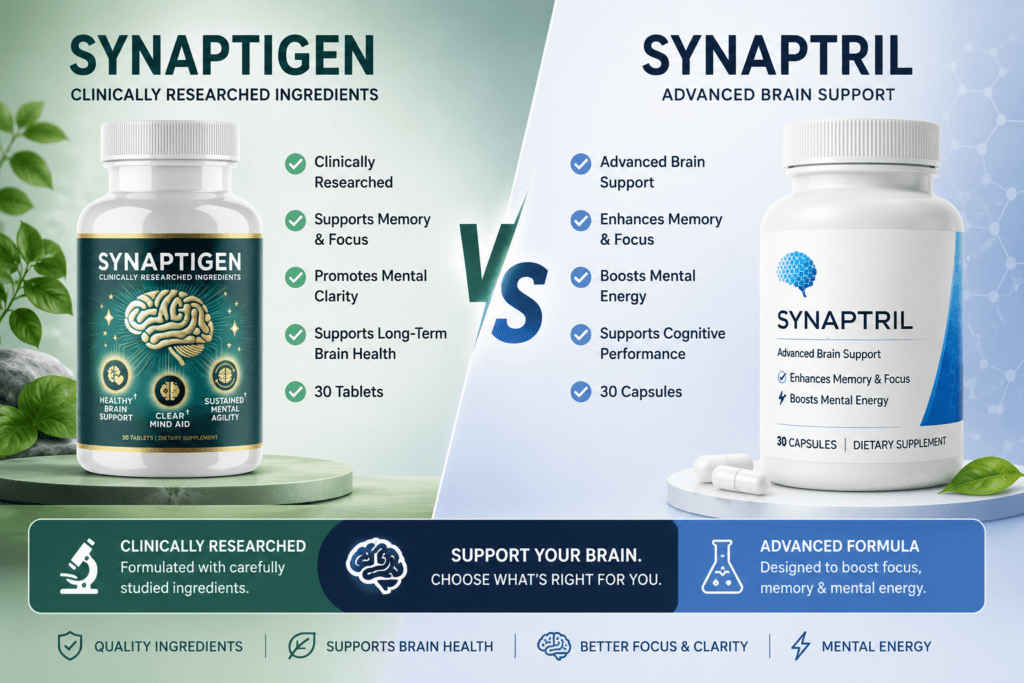
Synaptigen is one of the most talked-about competitors in the same brain-health category, so it’s a natural comparison point for anyone researching Synaptril. Here’s how the two generally stack up based on publicly marketed formulations and positioning:
| Feature | Synaptril | Synaptigen |
|---|---|---|
| Primary approach | Nootropic botanical blend (Bacopa, Lion’s Mane, Ginkgo, Phosphatidylserine) | Gut-brain axis formula with probiotics, prebiotics (inulin), and botanicals |
| Stimulant-free | Yes | Yes |
| Target concern | Memory, focus, mental clarity | Memory, focus, and neuron “sugar buildup” reduction via gut-brain support |
| Format | Daily capsule | Daily capsule |
| Best suited for | Users wanting a classic nootropic-herb approach | Users interested in the gut-microbiome-to-brain connection |
| Non-GMO | Typically yes (check label) | Yes |
| Manufacturing claim | Varies by seller — verify GMP/FDA-registered facility | GMP-certified, FDA-registered facility (per brand claims) |
Bottom line: If you’re specifically interested in the traditional nootropic-herb route backed by decades of Ayurvedic and clinical research (Bacopa, Ginkgo, Lion’s Mane), Synaptril’s formulation style leans into that lane. If you’re more interested in newer research around the gut-brain axis and probiotic-supported cognition, a gut-focused formula like Synaptigen may appeal to that angle instead. Neither approach is universally “better” — they target brain health through different, complementary research pathways, and the right choice depends on your personal health priorities.
Pros and Cons of Synaptril
Pros
- Built around well-researched nootropic ingredients
- Stimulant-free formula (no jitters or crash)
- Convenient once-daily capsule format
- Non-GMO positioning appeals to clean-label shoppers
- Fits into a broader daily wellness/supplement routine
Cons
- Individual results vary — not a guaranteed fix for memory issues
- Requires consistent daily use over weeks to assess results
- Not a substitute for medical treatment of diagnosed cognitive conditions
- Pricing for premium nootropic blends can be higher than basic multivitamins
- Third-party clinical trials on the finished product (not just individual ingredients) may be limited
Who Should Consider Synaptril?
Synaptril-style brain supplements are generally most relevant to:
- Adults 35+ noticing occasional brain fog or forgetfulness
- Professionals who want steady, stimulant-free mental clarity during work
- Students preparing for demanding cognitive tasks (with appropriate caution around dosage)
- People looking for a natural complement to a healthy diet, sleep, and exercise routine
Who should be cautious: Pregnant or nursing individuals, people on blood-thinning medication (Ginkgo can interact with anticoagulants), those with existing neurological conditions, and anyone currently taking prescription medication should consult a doctor before use, since herbal nootropics can interact with certain drugs.
How to Take Synaptril (General Usage Guidance)
Most capsule-based nootropic supplements in this category recommend:
- Taking 1 capsule daily, ideally with a meal to support absorption
- Allowing 4–8 weeks of consistent use before evaluating noticeable effects, since herbal nootropics build up gradually rather than acting instantly
- Pairing supplementation with foundational brain-health habits: adequate sleep, hydration, regular physical activity, and a diet rich in omega-3 fatty acids
Always follow the exact dosage instructions printed on the Synaptril label, as formulations and recommended serving sizes can differ between manufacturers and product batches.
Potential Side Effects and Safety Considerations
Herbal nootropic ingredients are generally well tolerated, but mild side effects reported with similar formulas can include:
- Mild digestive discomfort (especially when taken without food)
- Headache during the initial adjustment period
- Interaction risk with blood thinners (due to Ginkgo biloba)
- Possible allergic reaction to specific botanical extracts
Because dietary supplements are not regulated by the FDA in the same way as pharmaceuticals, it’s important to buy from a reputable seller, check for third-party testing where available, and read the full ingredient and allergen list on the label before use.
Pricing, Where to Buy, and Refund Policy
Nootropic supplements in this category are commonly sold directly through the official brand website, with pricing structured around single-bottle, three-bottle, and six-bottle bundles (bulk bundles usually offer a lower per-bottle cost). Many brands in this space also offer:
- A money-back guarantee window (commonly 30 to 180 days, depending on the brand)
- Free or discounted shipping on multi-bottle bundles
- Occasional coupon codes for first-time buyers
Because promotions, coupon codes, and refund terms change frequently, always confirm current pricing and the official refund policy directly on the manufacturer’s official website before purchasing, and avoid third-party marketplace listings that aren’t verified by the brand.
Frequently Asked Questions
Is Synaptril safe to take daily?
Most nootropic ingredients used in formulas like this (Bacopa monnieri, Lion’s Mane, Ginkgo biloba) are generally recognized as well tolerated for daily use in healthy adults, but you should confirm safety with a healthcare provider, especially if you take other medications.
How long does it take for Synaptril to work?
Herbal nootropics typically require consistent use over 4 to 8 weeks before users notice a meaningful difference, since these ingredients work gradually rather than producing an immediate stimulant-like effect.
Does Synaptril contain caffeine or stimulants?
Formulas positioned like Synaptril are typically marketed as stimulant-free, relying on herbal and nutrient-based mechanisms rather than caffeine or synthetic stimulants.
Can Synaptril cure memory loss or dementia?
No. Dietary supplements are not intended to diagnose, treat, cure, or prevent any disease, including dementia or Alzheimer’s disease. Anyone experiencing significant memory loss should see a medical professional for proper evaluation.
Is Synaptril better than Synaptigen?
Neither is universally “better” — they use different research angles (classic nootropic herbs vs. gut-brain-axis support). The right choice depends on which mechanism of action aligns with your personal health goals.
Where can I buy Synaptril?
To avoid counterfeit products and ensure you receive the correct formulation, purchase directly from the official Synaptril website rather than third-party marketplaces.
Final Verdict: Is Synaptril Worth Trying?
Synaptril fits into a well-established category of natural nootropic supplements that lean on ingredients with genuine, published research behind them — Bacopa monnieri, Lion’s Mane, Ginkgo biloba, and Phosphatidylserine all have peer-reviewed studies exploring their roles in memory and cognitive function. That said, no supplement is a magic fix, and results depend heavily on consistency, lifestyle factors, and individual biology.
If you’re looking for a stimulant-free, capsule-based option to complement healthy sleep, diet, and exercise habits — and you understand that results build gradually rather than overnight — Synaptril is a reasonable option to research further and discuss with your healthcare provider. As always, read the full label, verify current ingredient sourcing on the official website, and set realistic expectations before starting any new cognitive-support routine.
Scientific References
- National Center for Complementary and Integrative Health (NCCIH) — Ginkgo: nccih.nih.gov/health/ginkgo
- NIH Office of Dietary Supplements: ods.od.nih.gov
- National Library of Medicine / PubMed: pubmed.ncbi.nlm.nih.gov
- synaptril Official website- https://synaptril.systeme.io/
Disclaimer: This article is for informational purposes only and does not constitute medical advice. Statements about dietary supplements have not been evaluated by the FDA. These products are not intended to diagnose, treat, cure, or prevent any disease. Consult a qualified healthcare professional before beginning any supplement regimen.

Natural home remedies, skincare secrets, dental & eye health tips, and real product reviews to help you stay healthy the natural way.