

Introduction
Cardio Charge Review 2026: Benefits, Ingredients & Is It Legit?Cardiovascular disease remains the leading cause of death worldwide, and a growing number of people are looking beyond prescription medication toward daily habits, hydration, and targeted nutrition to support a healthy heart. Electrolyte and mineral balance in particular has become a bigger part of that conversation, because sodium, potassium, and magnesium all play a direct role in how blood vessels relax, how the heart muscle contracts, and how blood pressure is regulated day to day.
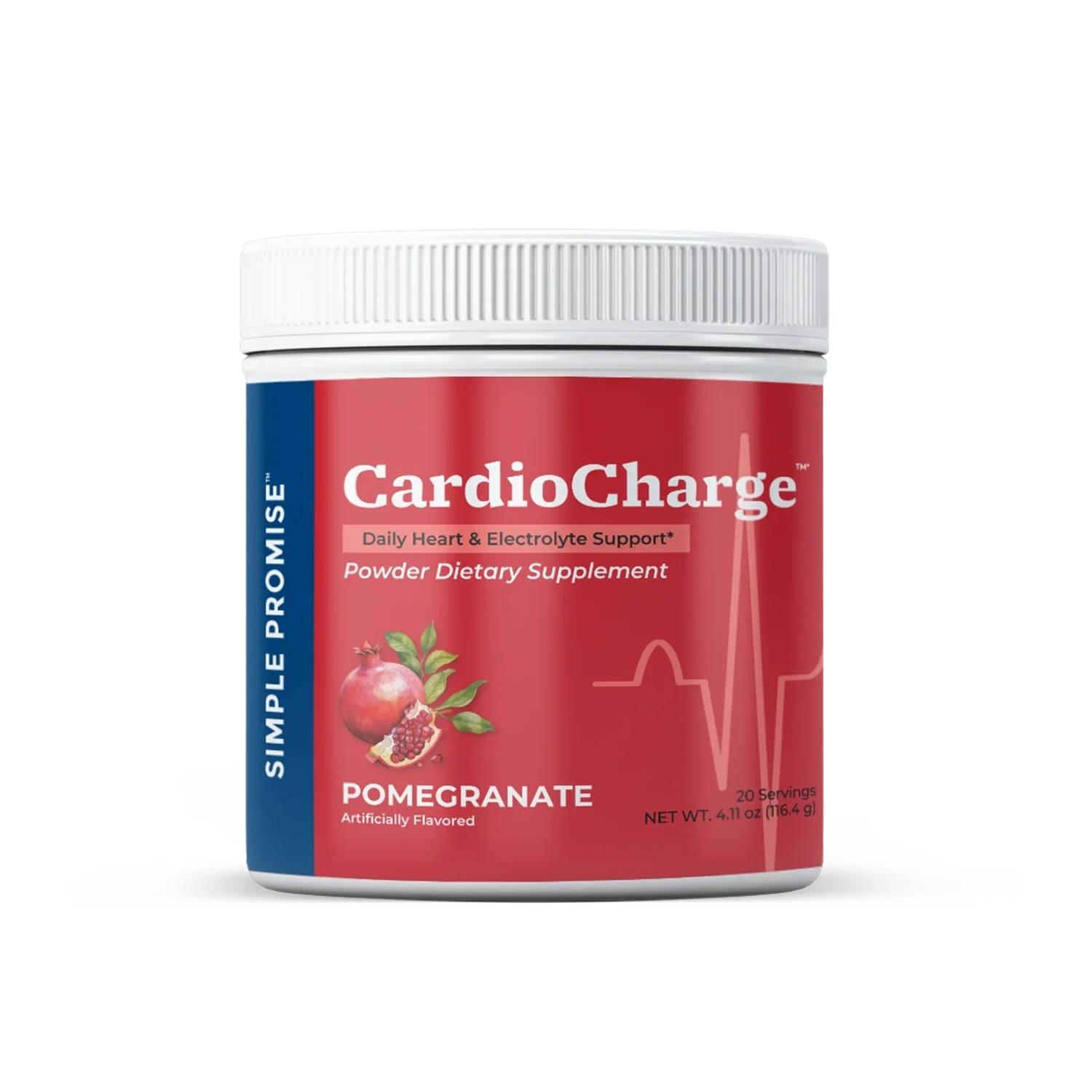
Cardio Charge , made by the supplement brand Simple Promise, has positioned itself inside that conversation. It is marketed as a stimulant-free, sugar-free electrolyte powder built around seven ingredients that the brand says work together to support arterial flexibility, hydration, and cellular energy production in the heart. This article walks through what Cardio Charge is, what is actually known about each ingredient from independent research, what the brand claims versus what has been studied, realistic expectations, pricing, and the key questions to ask before ordering.
This is an independent, research-informed review. It is not a substitute for medical advice, and none of the ingredient research discussed below was conducted on the finished Cardio Charge formula itself — a distinction explained in more detail further down.
What Is Cardio Charge ?
Cardio Charge is a powdered supplement designed to be mixed with water and consumed once daily, typically in the morning. Unlike many “energy” products, it contains no caffeine or stimulants. Instead, the brand frames its energy-support angle around cellular metabolism rather than central nervous system stimulation.
According to the product’s own marketing, the formula is built around seven core ingredients:
- D-Ribose — a simple sugar involved in cellular energy (ATP) production
- Hibiscus flower extract — a botanical traditionally studied for blood pressure support
- Potassium Citrate — an electrolyte mineral
- Magnesium Glycinate — a highly bioavailable form of magnesium
- Sodium Citrate — an electrolyte and buffering mineral
- L-Glycine — an amino acid involved in collagen and connective tissue support
- Hytolive (olive fruit extract) — a polyphenol-rich olive extract standardized for antioxidant compounds
The brand states the product is manufactured in a GMP-certified U.S. facility and is free from gluten, artificial fillers, and added sugar. As with most direct-to-consumer supplements, it’s sold primarily through the official Simple Promise website rather than in retail stores.
How the Brand Says Cardio Charge Works
Simple Promise describes Cardio Charge ‘s mechanism as a multi-step process rather than a single action. In broad strokes, the brand’s positioning breaks down like this:
- D-Ribose is positioned as fuel for cellular energy production in heart tissue.
- Hibiscus extract is positioned for supporting flexible, responsive arteries.
- The potassium, magnesium, and sodium trio is described by the brand as a “relax and restore” electrolyte effect that supports normal muscle and nerve signaling, including in the heart.
- L-Glycine is positioned as support for the structural, collagen-based components of blood vessel walls.
- Hytolive olive extract is positioned as an antioxidant layer intended to help offset oxidative stress in the cardiovascular system.
It’s worth being precise about what this means: these are the mechanisms the company describes for its ingredients, not claims that have been validated in a clinical trial of the finished Cardio Charge powder itself. That’s an important, and common, distinction in the supplement industry — individual ingredients can have a real, published research base while the specific blend, dosing, and delivery format of a given product has never itself been tested. The next section looks at what the independent science actually shows for each ingredient.
Ingredient-by-Ingredient: What the Independent Research Shows
D-Ribose
D-Ribose is a five-carbon sugar that the body uses to help regenerate adenosine triphosphate (ATP), the molecule cells rely on for energy. Heart muscle is one of the most energy-demanding tissues in the body, and researchers have studied whether extra dietary D-Ribose can help support ATP recovery under conditions of cardiac stress.
Several small clinical studies in patients with congestive heart failure and coronary artery disease have looked at oral D-Ribose, typically in the 5-to-15-gram daily range, and reported improvements in measures like diastolic function, exercise tolerance, and ventilatory efficiency during exercise testing. A commonly cited trial in patients with class II–IV heart failure found improvement in a heart-function measurement (tissue Doppler velocity) in the majority of a small group of 11 patients after six weeks of supplementation, an effect that persisted for several weeks after stopping.
The important caveat: most of these trials are small (often fewer than 25 participants), several are open-label or lack a placebo arm, and they studied people with diagnosed heart conditions rather than generally healthy adults looking for preventive support. The evidence is genuinely promising as a research direction, but it is not the same as a large, definitive trial.
Hibiscus Flower Extract (Hibiscus sabdariffa)
Hibiscus is one of the more extensively studied botanicals for blood pressure support. It is thought to act partly as a mild diuretic and partly through inhibition of the angiotensin-converting enzyme (ACE) — the same biological pathway targeted by a major class of blood pressure medications.
A 2022 systematic review and meta-analysis published in the Journal of Cardiovascular Pharmacology pooled 13 randomized controlled trials covering more than 1,200 participants with mild-to-moderate hypertension. It found that hibiscus supplementation produced a statistically significant average reduction of roughly 6.7 mmHg in systolic blood pressure and 4.3 mmHg in diastolic blood pressure compared with placebo. Earlier randomized trials, including one published in Planta Medica comparing hibiscus extract against the prescription drug lisinopril, and a Tufts University trial published in the Journal of Nutrition using brewed hibiscus tea, reported comparable directional effects.
The same meta-analysis noted that hibiscus was not shown to outperform standard antihypertensive medications, and effects were less clear in people whose high blood pressure was tied to metabolic syndrome rather than hypertension alone. This is a case where the ingredient has a genuinely solid research base, though the exact hibiscus dose in a serving of Cardio Charge is not published with a milligram figure on the brand’s label.
Potassium Citrate and Magnesium Glycinate
Potassium and magnesium are both essential electrolytes with an extensive research history in cardiovascular health. A large analysis of the Framingham Offspring Study cohort found that adults with the highest potassium intake had roughly a 25% lower risk of cardiovascular disease, and those with the highest magnesium intake had roughly a 34% lower risk, compared with those with the lowest intakes.
On blood pressure specifically, a 2013 systematic review and meta-analysis published in The BMJ, covering 22 randomized controlled trials, found that increased potassium intake reduced systolic blood pressure by an average of about 3.5 mmHg and diastolic pressure by about 2 mmHg, with a larger effect in people who already had hypertension. Separate meta-analyses of magnesium supplementation have reported reductions in the range of 3–4 mmHg systolic and 2–3 mmHg diastolic, with larger effects generally seen at daily doses above 370 mg.
These are well-established minerals rather than novel or exotic ingredients — the open question for any product, including Cardio Charge , is simply how much potassium and magnesium a single serving actually delivers relative to the doses used in these trials, since electrolyte blends can vary widely in concentration.
Sodium Citrate
Sodium citrate functions primarily as an electrolyte and pH-buffering ingredient in powdered supplement formulas, helping the body absorb and retain fluid alongside potassium and magnesium. It is a standard, well-tolerated component of hydration and electrolyte products generally, though it is not itself a botanical or nutrient associated with independent cardiovascular outcome studies in the way hibiscus, potassium, or magnesium are.
L-Glycine
Glycine is the simplest amino acid and a major building block of collagen, the structural protein found throughout blood vessel walls and connective tissue. Some research has also looked at glycine’s role in metabolic markers, sleep quality, and antioxidant pathways (glycine is a precursor to glutathione). Direct clinical trial evidence tying oral glycine supplementation specifically to arterial flexibility outcomes in humans is more limited than the hibiscus or mineral research above, so this ingredient is best considered a supportive, lower-certainty addition to the formula rather than a headline evidence-based component.
Hytolive (Olive Fruit Extract)
Hytolive is a branded, standardized olive fruit extract rich in polyphenols, including hydroxytyrosol, one of the compounds credited with the well-documented cardiovascular benefits associated with olive oil and the broader Mediterranean diet pattern. Olive polyphenols have been studied for antioxidant and anti-inflammatory activity and for supporting healthy endothelial (blood vessel lining) function. As with several other ingredients here, most of the human research concerns olive oil consumption or specific standardized extracts in general, rather than the Hytolive brand or the specific Cardio Charge formulation by name.
What This Means: Realistic Expectations
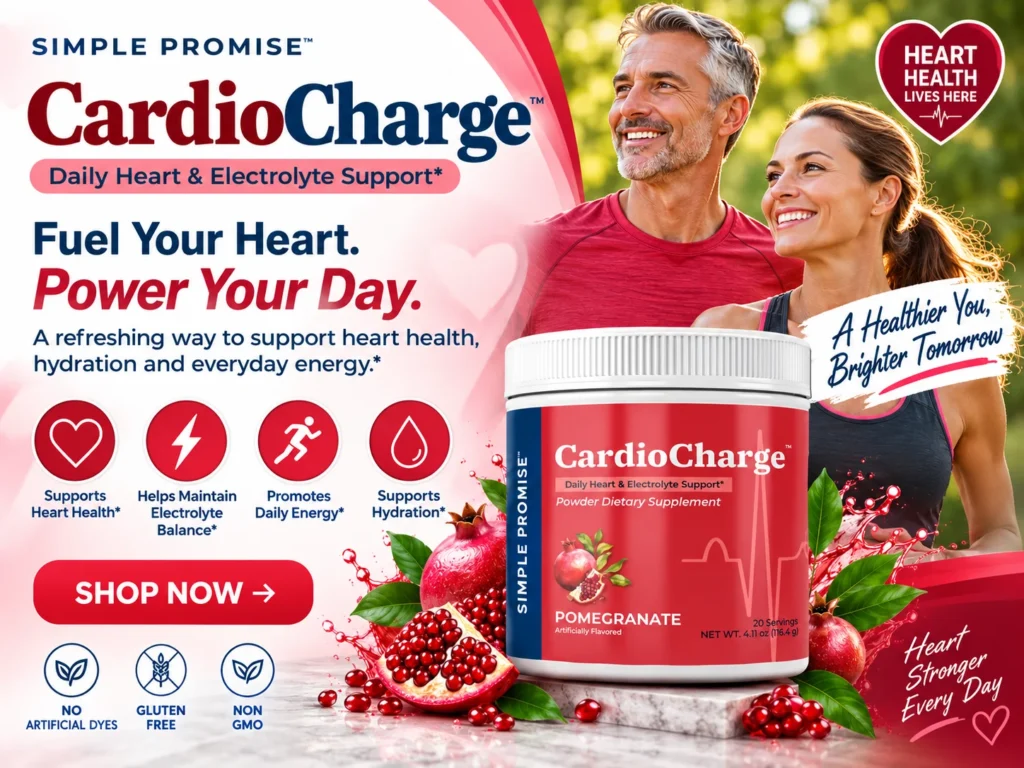
Taken together, the Cardio Charge formula draws on ingredients — especially hibiscus, potassium, and magnesium — that have a genuine, peer-reviewed research base for modest blood pressure and cardiovascular support in general populations. That is a meaningfully different starting point than a formula built on unproven or untested compounds.
At the same time, three caveats matter for anyone considering it:
- No published trial has tested the finished Cardio Charge powder itself, only its individual ingredients in other studies, doses, and populations.
- The product label does not appear to publish a full milligram-by-milligram Supplement Facts breakdown, which makes it difficult to compare the actual dose per scoop against the doses used in the clinical research above.
- Supplements are not a substitute for prescribed blood pressure or heart medication, and “supports cardiovascular health” is a wellness claim, not a treatment claim.
Who Should Be Cautious
Because Cardio Charge contains concentrated electrolytes (potassium, magnesium, and sodium sources), it is worth extra caution for certain groups:
- People with kidney disease or impaired kidney function, since the kidneys regulate potassium and magnesium clearance.
- Anyone taking ACE inhibitors, ARBs, potassium-sparing diuretics, or other blood pressure medications, since combining these with additional potassium or a blood-pressure-lowering botanical like hibiscus could compound effects.
- Pregnant or breastfeeding individuals, who should check any new supplement with their physician.
- Anyone already diagnosed with a heart condition — Cardio Charge should be discussed with a cardiologist rather than used as a self-directed replacement for treatment.
The brand’s own FAQ reportedly recommends speaking with a healthcare professional before daily use, which is a reasonable starting point given the electrolyte load and the blood-pressure-active botanical in the mix.
Pricing and Where to Buy
Cardio Charge is sold directly through the official Simple Promise site in three package sizes, with per-jar pricing dropping as the order size increases:
| Package | Price Per Jar | Total Price | Listed Savings vs. $89/jar |
| 1 Jar (One-Time Purchase) | $49 / jar | $49 | 45% off |
| 3 Jars | $43 / jar | $129 | 52% off |
| 6 Jars (Most Popular) | $33 / jar | $198 | 63% off |
One jar is listed as a 20-serving (roughly one-month) supply at standard use. Buying in bulk (3 or 6 jars) lowers the effective per-jar cost, which is the standard model for most direct-to-consumer supplement brands, and is generally worth doing only after confirming the product agrees with you — most listings of this kind carry a money-back guarantee window, which is worth checking directly on the official order page before committing to a 6-jar order.
Pros and Cons
Pros
- Stimulant-free and caffeine-free — usable any time of day without an energy-drink-style jolt
- Built around ingredients (hibiscus, potassium, magnesium) with real, peer-reviewed cardiovascular research behind them
- Sugar-free electrolyte format may appeal to people already managing blood sugar or hydration
- Manufactured in a GMP-certified U.S. facility, per the brand
- Bulk pricing meaningfully lowers the per-jar cost for longer-term use
Cons
- No published Supplement Facts panel with exact milligram amounts per ingredient, making it hard to verify doses against clinical research
- No clinical trial on the finished Cardio Charge formula itself — only ingredient-level research
- Electrolyte content means it isn’t automatically appropriate for people with kidney issues or on certain blood pressure medications
- Priced at a premium compared with buying, for example, a standalone magnesium glycinate or hibiscus extract supplement separately
How Cardio Charge Compares to Other Heart Health Supplements
Most heart-health supplements on the market fall into one of a few categories: CoQ10/ubiquinol-based energy formulas (such as the brand’s own CardioClear7), red yeast rice and omega-3 cholesterol-focused capsules, or mineral-and-botanical blood pressure formulas. Cardio Charge sits in that third category, but its electrolyte-powder format and D-Ribose inclusion give it a hydration and cellular-energy angle that capsule-based cholesterol formulas typically don’t offer. If cholesterol management is the primary concern, an omega-3 or red yeast rice product with published lipid-panel research may be more directly relevant; if blood pressure and hydration are the primary concern, Cardio Charge ‘s ingredient list is more directly aligned.
Frequently Asked Questions
Is Cardio Charge FDA-approved?
No. Like virtually all dietary supplements in the United States, Cardio Charge is regulated as a supplement, not a drug, and is not FDA-approved to treat, cure, or prevent any disease. The FDA does not evaluate supplement efficacy claims before they reach the market.
How long does it take to notice anything?
The brand does not publish a specific timeline, and no clinical trial has measured this for the finished product. Individual ingredient studies (for hibiscus and D-Ribose, for example) generally ran 4 to 8 weeks before measuring outcomes, which is a reasonable minimum trial period to set expectations around.
Can it replace blood pressure medication?
No. It should never be used as a substitute for prescribed medication without a doctor’s guidance. Anyone on blood pressure medication should talk to their prescribing physician before adding hibiscus or extra potassium to their routine, since the combined effect could lower blood pressure more than intended.
Is it safe to take daily?
For most healthy adults without kidney issues or blood-pressure-medication interactions, a daily electrolyte and mineral supplement at reasonable doses is generally well tolerated. That said, individual tolerance varies, and checking with a healthcare provider first is the safer path, especially for anyone with an existing health condition.
Final Verdict
Cardio Charge is a thoughtfully positioned product in the sense that its ingredient choices — hibiscus, potassium, magnesium, D-Ribose, and olive polyphenols — are drawn from areas of real, published cardiovascular research rather than fringe or invented compounds. That gives it more credibility than many heart-health powders on the market. The honest gap is between ingredient-level science and product-level proof: no trial has tested this specific blend, at its specific doses, in a controlled study. For someone who wants a stimulant-free electrolyte and mineral support product and who has already cleared it with their doctor — particularly if they’re on blood pressure medication or have kidney concerns — Cardio Charge is a reasonable, evidence-informed option to evaluate. It is not, and should not be treated as, a replacement for medical care, diagnosis, or prescribed treatment.
Scientific References
Efficacy of Hibiscus sabdariffa on Reducing Blood Pressure — Systematic Review and Meta-Analysis, Journal of Cardiovascular Pharmacology (2022)
Effectiveness and Tolerability of Hibiscus sabdariffa in Mild-to-Moderate Hypertension, Phytomedicine (2004)
Clinical Effects of Hibiscus sabdariffa vs. Lisinopril in Hypertension, Planta Medica (2007)
Effect of Increased Potassium Intake on Cardiovascular Risk — Systematic Review and Meta-Analysis, BMJ (2013)
Sodium, Potassium, Magnesium, and Calcium Intake and Cardiovascular Disease Risk — Framingham Offspring Study, PMC
D-Ribose and Diastolic Dysfunction in Congestive Heart Failure, PMC
Simple Promise — Official Cardio Charge / Brand Product Pages
Disclaimer
This article is provided for general informational and educational purposes only and does not constitute medical advice, diagnosis, or treatment. Statements regarding Cardio Charge and its ingredients have not been evaluated by the Food and Drug Administration, and this product is not intended to diagnose, treat, cure, or prevent any disease. Always consult a qualified healthcare provider before starting any new supplement, especially if you are pregnant, nursing, have a pre-existing medical condition, or are taking prescription medication.
This content is published by or on behalf of homehealthyremedy.com. may earn a commission from qualifying purchases made through links in this article as part of an affiliate marketing relationship, at no additional cost to the reader. Product pricing shown ($49 for 1 jar, $43/jar for 3 jars, $33/jar for 6 jars, discounted from a listed $89/jar) reflects pricing observed on the official Cardio Charge order page at the time of writing and is subject to change without notice; always confirm current pricing and promotional terms directly on the official seller’s website before purchasing.

Home Healthy Remedy — trusted natural remedies, honest product reviews, and simple wellness tips for skin, eyes, teeth, and overall health.