

Living a healthy lifestyle does not mean you have to follow strict rules every day or restrict yourself. In reality, a healthy lifestyle is built with simple daily habits that contribute to your health over time. Small habits like staying physically active, eating healthy, balanced meals, sleeping enough, and managing stress can significantly improve your health in the long run.
A modern lifestyle makes it harder to follow healthy habits. Many people spend hours sitting, eat unhealthy food, sleep less, spend hours on screens, and deal with constant stress. All these habits can increase the risk of serious health issues such as heart disease, diabetes, and other long-term health conditions.
However, by making small healthy changes, you can live a healthy lifestyle. You don’t change everything at once. Even small changes can be significant for your overall health.
In this blog, we will explore 5 simple tips for a healthy lifestyle that can help you protect your future health.
Tip 1: Move Your Body Regularly
Regular physical activity is one of the most powerful and effective ways you can protect your health. According to the WHO, an average adult should do at least 150-300 minutes of moderate activity (like walking) or 75-150 minutes of vigorous activity (like running) per week, plus 2 or more days of muscle-strengthening activities per week. However, almost one in three adults worldwide is not physically active.
Being physically active helps to lower the risk of heart disease, strokes, diabetes, obesity, some cancers, and even early death. It also helps to control blood sugar and blood pressure and supports healthy weight management.
On top of that, regular physical activity is linked to better mood and reduced stress.
What counts as physical activity?
Physical activity is any movement that uses your muscles and burns energy. However, this doesn’t mean you have to spend hours in the gym. It can be a normal part of your day.
Some examples are:
- Brisk walking, even in short bouts throughout the day
- Climbing stairs instead of using elevators where possible
- Cycling for transport or fun
- Dancing, gardening, or active play with children
- Structured exercise like jogging, swimming, or workout classes
Moderate activities increase your breathing rate and heart rate, but you can still engage in conversation.
Vigorous activities make it challenging to say more than a few words without pausing for breath.
Simple ways to be more active
If you are not physically active, now is the time to start building a healthy lifestyle. Many experts say that any physical movement is better than doing nothing, and even walking is okay if you don’t have time.
Here are some useful suggestions:
- If 30 minutes at once feels too much, break it up into three 10-minute walks throughout the day.
- Walk while talking on the phone, or stretch while watching TV.
- Walk with a friend, join a community exercise group, or play a sport you enjoy.
- Include activities that strengthen muscles (like body-weight exercises or resistance bands) at least twice a week.
If you have any serious health issues or have been completely physically inactive, you should talk to your doctor before starting. They can help you choose the perfect activities that are safe and suitable for your fitness level and health conditions.
Tip 2: Eat a Balanced, Nutrient-Rich Diet
In today’s hectic world, a healthy diet is essential. It helps to provide your body with the energy and nutrients it requires to function, develop, and repair properly. The World Health Organization recommends a diet high in vegetables, nuts, legumes, fruits, and whole grains, as well as low in salt, sugar, and unhealthy fats. Such a diet prevents malnutrition and many serious health conditions, such as obesity, heart disease, and diabetes, by ensuring that the body receives essential vitamins and minerals.
An adult should consume at least 400 grams of fruits and vegetables per day in roughly five portions. It helps reduce the risk of noncommunicable diseases and provides the necessary dietary fiber.
How to build a balanced plate
A balanced plate should include:
- About half the plate is filled with vegetables and fruits of different colors
- About one quarter is filled with whole grains, such as brown rice, oats, whole wheat bread, or corn tortillas
- About one quarter is filled with lean protein sources like beans, lentils, fish, eggs, or poultry
- A small amount of healthy fats from foods such as nuts, seeds, or plant oils
Many studies show that regularly eating vegetables and fruits helps to lower the risk of heart disease, some cancers, and unhealthy weight management.
Practical tips to improve your diet
Small changes to your meals daily can be helpful over time. Some of the practical advice that helps to improve your diet is the following:
- Start by adding, not just removing. You can add a serving of veggies or fruit to your meals each day, rather than focusing on cutting down on foods.
- Drink water more often and avoid sugary drinks. They are not good for health because they contain excessive calories and increase the risk of diabetes.
- Control portion sizes. Try eating on a smaller plate, sharing your portions, and taking a break before your next meal.
- Limit eating highly processed foods. They are high in salt, added sugar, and unhealthy fats.
- Try planning your meals ahead of time. It saves time on busy days and helps you avoid grabbing unhealthy food.
Healthy eating is not about being perfect. It is about what you are eating more of. If one or two meals are less healthy, you can compensate for them in the next meals.
Tip 3: Prioritize Good Sleep
Sleeping enough is a basic need of your body. But in today’s busy world, sleep is the first to be sacrificed. The American Academy of Sleep Medicine and the Sleep Research Society suggest that a healthy adult should sleep 7-9 hours each night for better health. The CDC also suggests the same regarding sleep hours.
Insufficient or poor sleep can cause many serious health issues. CDC reports that not getting enough sleep can increase the risk of type 2 diabetes, heart disease, obesity, and depression.
Why sleep matters for your body and mind
During sleep, your body carries out many important processes, such as tissue repair, hormone regulation, and immune system support. It also plays an important role in better attention, memory, mood, and decision-making abilities.
When you are not sleeping enough regularly, you may notice:
- Low energy and daytime sleepiness
- Irritability or low mood
- Difficulty focusing or remembering information
- Increased cravings for high-calorie foods
All these changes slowly contribute to weight gain, poor blood sugar management, and a higher risk of serious long-term health issues.
Sleep habits you can start tonight
Good sleep is not only about how many hours you spend in bed. It also means when you actually fell asleep and how restful that sleep was. Some simple habits often called “sleep hygiene” can improve your sleep. Some of those include:
- Keep a regular schedule. Even on the weekends, you should go to bed and get up at the same time every day.
- Create a relaxing routine. Do something relaxing, like reading, gentle stretching, or listening to music, for 30-60 minutes before bed.
- Make your sleeping space as comfortable as possible. If you need to, keep the light low, quiet, and cool.
- Limit consuming caffeine and heavy meals late in the evening. They can disturb your sleep.
- Don’t use screens at night. Light from devices can mess up your body’s normal sleep cycle.
You should see a doctor if you’ve tried everything and still can’t sleep well. Many conditions can be treated, such as sleep apnea and insomnia.
Tip 4: Take Care of Your Mind and Manage Stress
Your mental health is important for your overall health. According to the WHO, nearly 1 in 7 people worldwide were living with mental issues, of which anxiety and depression are the most common.
A recent study reports that more than one billion people live with mental health conditions, which highlights that there is a need for better support and care.
Chronic stress, or long-term stress, is one factor that can affect both mental and physical health. A high level of stress contributes to serious health issues such as heart disease, obesity, high blood pressure, and depression.
The CDC suggests that long-term stress can worsen existing health issues and disrupt your daily life if not managed.
Healthy ways to cope with stress
Everyone goes through some stress in their life, but there are ways to deal with it effectively. Some of the strategies to manage stress and support mental health include the following:
- Take a break from sad news and social media. Constantly consuming sad stories can affect your mental health.
- Stay physically active. A short walk can help you feel better and less stressed.
- Try relaxing activities such as meditation, deep breathing, stretching, and other relaxing exercises. They help to calm your mind and body.
- Spend some time outdoors. Being in nature helps you feel more relaxed and present.
- Stay socially connected with others. Talk to your friends, family, or club members to get support.
- Try to express gratitude. Keeping track of things you are thankful for can shift focus from worries.
Many health organizations recommend seeking professional help when experiencing stress and low mood. It can include talking to a therapist, psychologist, or even your friends and family.
Many proven treatments, such as cognitive-behavioral therapy, medication, and mindfulness practices, can help improve your mental health.
Everyday habits that support mental health
Building a healthy routine can also help protect your mental health over time, in addition to coping methods.
Regular physical activity, proper sleep, a healthy diet, and limited alcohol consumption all help support mental health and body function.
Additional ideas include
- Making time for hobbies or creative activities you enjoy
- Setting small, realistic goals and celebrating progress
- Keeping a simple journal to track thoughts, feelings, or triggers
- Getting involved in community or faith-based groups if they feel helpful
Taking care of your mind is not selfish. It allows you to be fully yourself and enjoy everything.
Tip 5: Avoid Harmful Substances and Stay on Top of Checkups
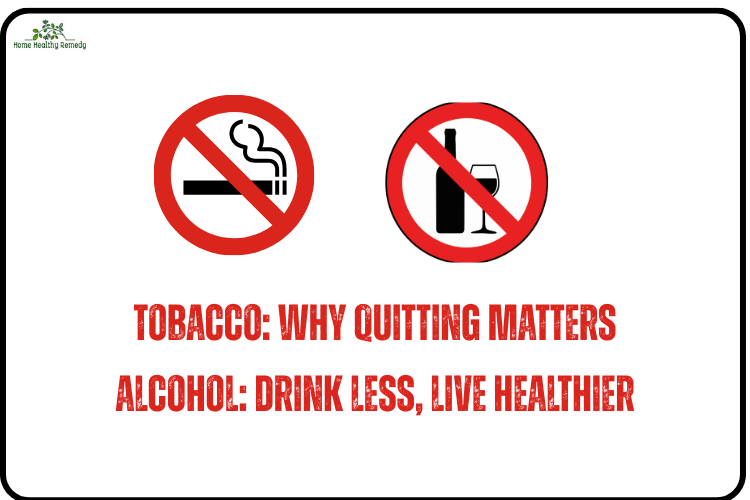
Tobacco and alcohol are two major substances that can significantly harm your health. Preventable diseases and early death strongly correlate with excessive tobacco and alcohol use.
Regular preventive health checkups are another key part of staying well, because they help you detect problems early, when treatment is more effective.
Tobacco: why quitting matters
Smoking cigarettes is harmful to almost every organ of the body and a cause of preventable disease, disability, and early death. The CDC reports that more than 480,000 deaths each year in the USA alone are caused by smoking and exposure to smoke, nearly one in five deaths.
Smoking causes cancer, heart disease, stroke, and lung diseases such as chronic obstructive pulmonary disease (COPD), which is a group of lung conditions that cause breathing difficulties, as well as type 2 diabetes and many other serious health problems. According to the National Cancer Institute, smokers have a three times higher mortality rate than people who have never smoked.
Quitting smoking at any age can help to reduce the risk of these diseases and add more years to your life. If you want to quit smoking, you can try counseling, nicotine replacement therapy, or medication for better results. Many countries also offer support systems through health departments to help with quitting smoking.
Alcohol: drink less, live healthier
You can find alcohol almost everywhere, and many people use it. But drinking too much or too often can be very harmful. According to the WHO, excessive use of alcohol causes more than 3 million deaths each year worldwide, nearly 1 in 20 deaths. In the USA, data shows that 178,000 deaths occurred each year during 2020-2021 due to excessive use of alcohol.
Excessive drinking can damage your liver, heart, and pancreas, which increases the risk of several health issues, like cancers and mental health issues, and leads to injuries, crashes, and violence.
You should either avoid drinking or at least drink in moderation. For adults who drink, 2 drinks or less per day for men and 1 drink or less per day for women are considered moderate amounts.
However, if you are pregnant, taking specific medicines, or have specific serious health issues, you should not drink at all.
If you are concerned about your excessive drinking, you should speak with a professional. Many proven ways help people reduce their consumption or quit drinking alcohol, such as counseling, support groups, and medication-assisted treatment.
Conclusion
You can’t build a healthy lifestyle overnight, no matter how hard you try. Trying to change everything at once usually makes you exhausted.
Instead, you should start with small things. Going for a short walk after dinner, eating a balanced meal, sleeping properly, or just taking ten deep breaths in stress can prove to be significant help over time.
Once that new habit becomes a natural part of your routine, pick another one and stick with it. This is how you can build a long-lasting, healthy lifestyle.
You don’t have to be flawless. It’s all about making little and steady progress. By taking your time each day, you will build a strong foundation that will protect your health in the long run.
Frequently Asked Questions
1. What is a “healthy lifestyle” in simple words?
In simple terms, a healthy lifestyle involves daily habits that support your body and mind. It can include being physically active, eating healthy food most of the time, sleeping enough, managing stress, and avoiding harmful substances like tobacco and alcohol. All these habits will improve your long-term health.
2. How much should I exercise each week?
According to many health guidelines, a normal adult should do at least 150 minutes of moderate-intensity activities, such as walking, or 75 minutes of vigorous-intensity activities each week, plus 2 or more days of muscle-strengthening exercises each week.
3. I sit a lot at work. Is that a big problem?
Sitting for long hours in one place can increase the risk of heart disease, diabetes, and other serious health issues. But you can start being physically active slowly and can improve your health over time. You can start taking breaks, taking a 2-5 minute walk, and doing some stretching every hour.
4. How many hours of sleep do adults need?
According to many studies by health organizations, a healthy adult needs at least 7-9 hours of sleep each night. Insufficient sleep regularly can increase the risk of heart disease, diabetes, weight gain, and bad moods. You should sleep enough to stay healthy in the long term.
5. Why is smoking so harmful to my health?
Almost every organ of your body is damaged by smoking, which can lead to lung cancer, heart disease, strokes, and many other serious health issues. It is one of the leading factors of bad health. Quitting smoking at any age can help to lower your risk of health issues and add more years to your life.
6. Why are regular health checkups important if I feel fine?
Regular health checkups are important because they can help you detect problems early. Detecting problems like high blood sugar, high cholesterol, or early-stage cancers can help you better manage and treat them. They are like a chance to question and plan for the future.

Natural home remedies, skincare secrets, dental & eye health tips, and real product reviews to help you stay healthy the natural way.