

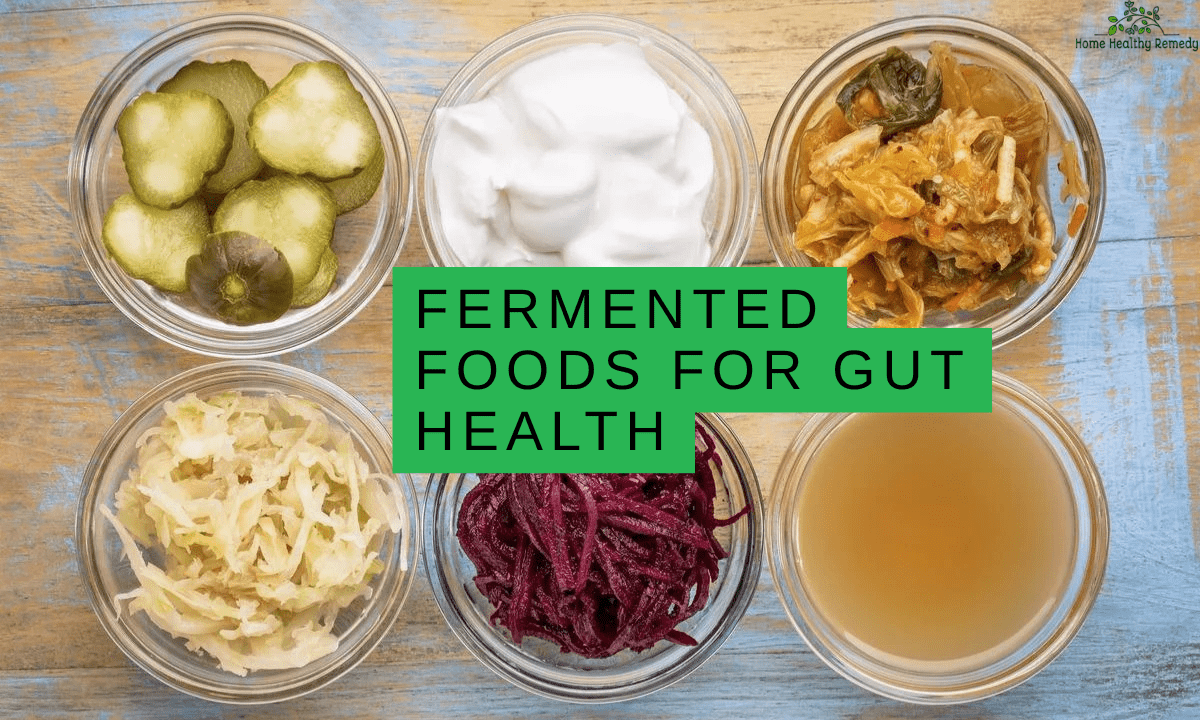
Introduction: Why Your Gut Is the Foundation of Your Health
Your gut does a lot more than digest food. It regulates your immune system, influences your mood, manages inflammation, and even communicates directly with your brain through what scientists call the “gut-brain axis.” When your gut microbiome — the trillions of bacteria, fungi, and microorganisms living inside your digestive tract — falls out of balance, the ripple effects are felt throughout your entire body.
That’s exactly where fermented foods for gut health come in.
For thousands of years, before refrigerators and food preservatives existed, humans relied on fermentation to preserve food. What they didn’t know at the time was that this ancient process was also delivering powerful health benefits to their gut microbiome. Today, science is catching up — and the evidence is overwhelming: regularly eating fermented foods is one of the most effective, affordable, and natural ways to restore and maintain a healthy gut.
Whether you’re dealing with bloating, irritable bowel syndrome (IBS), leaky gut, chronic fatigue, or just want to boost your immunity, this guide covers everything you need to know about using fermented foods as home health remedies for a healthier gut.
What Are Fermented Foods?
Fermented foods are foods that have been transformed through the controlled activity of microorganisms — specifically bacteria, yeast, or molds — that break down sugars and starches into acids, gases, or alcohol. This process, known as lacto-fermentation when driven by lactic acid bacteria, naturally preserves the food and generates beneficial byproducts including probiotics, enzymes, B vitamins, and short-chain fatty acids (SCFAs).
The result? Foods that are not only more digestible than their raw counterparts but are also packed with live microorganisms that colonize your gut and actively support digestive health.
Common types of fermentation include:
- Lactic acid fermentation (kimchi, sauerkraut, yogurt, kefir)
- Alcoholic fermentation (kombucha — secondary fermentation gives it its fizz)
- Acetic acid fermentation (apple cider vinegar)
- Mold-based fermentation (miso, tempeh)
Each type produces a unique profile of beneficial bacteria, making dietary variety in fermented foods especially important.
How Fermented Foods Heal Your Gut
The connection between fermented foods and gut health is deeply rooted in microbiology. Here’s what happens in your body when you regularly consume these probiotic-rich foods:
1. They Replenish Your Gut Microbiome
Your gut microbiome is essentially a living ecosystem. Antibiotics, processed foods, chronic stress, alcohol, and even aging can deplete beneficial bacteria. Fermented foods reintroduce strains like Lactobacillus, Bifidobacterium, and Saccharomyces that help restore microbial diversity — a key marker of gut health.
A landmark 2021 study published in Cell (Stanford University) found that a diet high in fermented foods significantly increased microbiome diversity and reduced markers of inflammation compared to a high-fiber diet alone.
2. They Reduce Gut Inflammation
Chronic low-grade inflammation in the gut is linked to conditions like IBD (inflammatory bowel disease), leaky gut syndrome, and even mental health disorders. The probiotics in fermented foods produce SCFAs like butyrate, which nourish the cells lining your colon and suppress inflammatory pathways.
3. They Improve Digestion and Nutrient Absorption
The fermentation process pre-digests food to some extent, breaking down antinutrients like phytic acid (found in grains and legumes) and making nutrients more bioavailable. Iron, calcium, magnesium, and B vitamins are all better absorbed from fermented foods than from their unfermented counterparts.
4. They Strengthen the Gut Lining
The gut lining is a single layer of cells that acts as a barrier between your digestive tract and your bloodstream. When this barrier becomes permeable — a condition called “leaky gut” — undigested food particles, toxins, and bacteria can enter the bloodstream, triggering systemic inflammation. Probiotics from fermented foods help maintain and repair the tight junctions between these gut lining cells.
5. They Support the Gut-Brain Connection
About 90% of serotonin — the “feel-good” neurotransmitter — is produced in the gut. Beneficial bacteria from fermented foods influence the production of neurotransmitters and communicate with the brain via the vagus nerve. Research increasingly links regular fermented food consumption with reduced anxiety, better sleep, and improved mood.
Top 12 Fermented Foods for Gut Health
Not all fermented foods are created equal. Some are pasteurized after fermentation (which kills the live cultures), while others are raw and teeming with active probiotics. Here’s your go-to list of the most powerful fermented foods for gut health — including how to use them as part of your daily home health remedies routine.
1. Kefir — The King of Probiotic Drinks
Kefir is a fermented milk drink made using kefir grains, a combination of bacteria and yeast. It contains up to 61 strains of bacteria and yeast — far more than most commercial yogurts. It’s also rich in vitamin K2, calcium, and protein.
Gut health benefits: Kefir has been shown to improve lactose digestion (even in lactose-intolerant individuals), reduce inflammatory markers, and help treat antibiotic-associated diarrhea.
How to use it: Drink 1 cup daily. Add to smoothies, use as a base for salad dressings, or mix with honey and chia seeds for a gut-healing breakfast.
Dairy-free option: Water kefir (made with sugar water and kefir grains) provides similar probiotic benefits without the dairy.
2. Yogurt — The Everyday Gut Health Staple
Plain, unsweetened, full-fat yogurt with live active cultures is one of the most accessible fermented foods for gut health. Look for the “Live & Active Cultures” seal and ingredients that include Lactobacillus acidophilus and Bifidobacterium.
Gut health benefits: Supports microbiome diversity, reduces bloating, and may improve symptoms of IBS.
Home remedy tip: Mix plain yogurt with a teaspoon of raw honey and a pinch of turmeric for an anti-inflammatory gut tonic. Consume on an empty stomach in the morning for maximum probiotic absorption.
3. Kimchi — Korea’s Gut-Healing Superfood
Kimchi is a spicy Korean fermented vegetable dish, traditionally made with cabbage and radish, seasoned with chili, garlic, and ginger. It contains Lactobacillus kimchii and numerous other lactic acid bacteria specific to its fermentation process.
Gut health benefits: Rich in fiber, probiotics, and antioxidants. Studies show kimchi can reduce cholesterol, improve bowel regularity, and enhance immune function.
How to use it: Add as a side dish, mix into rice or noodle bowls, or eat a small portion (2–3 tablespoons) before meals to stimulate digestive enzymes.
4. Sauerkraut — Simple, Powerful, and Probiotic-Rich
Made from just two ingredients — cabbage and salt — sauerkraut is one of the oldest and most studied fermented foods for gut health. A single tablespoon can contain over 1 billion CFUs (colony-forming units) of beneficial bacteria.
Gut health benefits: High in fiber and probiotics that support bowel regularity; contains natural enzymes that ease digestion.
Important: Buy raw, unpasteurized sauerkraut from the refrigerated section — not the shelf-stable canned variety, which has been heat-treated and contains no live cultures.
Home remedy tip: Drink a tablespoon of sauerkraut juice (the brine) before meals to prime your digestive system.
5. Kombucha — The Fermented Tea for Gut and Energy
Kombucha is a fizzy fermented tea made using a SCOBY (Symbiotic Culture of Bacteria and Yeast). It contains organic acids like acetic and gluconic acid, along with B vitamins and a modest amount of probiotics.
Gut health benefits: Supports liver detoxification, may reduce gut permeability, and provides antioxidants from the tea base.
Caution: Kombucha contains small amounts of alcohol and sugar. Stick to 4–8 oz per day, especially if you are managing blood sugar.
6. Miso — Japan’s Fermented Gut Tonic
Miso is a fermented paste made from soybeans, salt, and a mold called Aspergillus oryzae (koji). It’s the base of traditional Japanese miso soup and is also used in marinades, dressings, and sauces.
Gut health benefits: Contains live cultures, digestive enzymes, and is rich in zinc — an essential mineral for gut lining repair. High in umami flavor, making it a satisfying addition to meals.
Home remedy tip: Stir a teaspoon of white or yellow miso into warm (not boiling) water with sliced green onions and a strip of seaweed (wakame) for a gut-healing morning soup. Never boil miso — it destroys the live cultures.
7. Tempeh — The Fermented Protein Powerhouse
Tempeh is made from soybeans fermented with Rhizopus oligosporus mold, forming a firm, nutty cake. Unlike tofu, tempeh is fermented, making it easier to digest and nutritionally superior.
Gut health benefits: The fermentation process reduces phytic acid content, dramatically improving the absorption of iron, zinc, and calcium. Rich in prebiotics that feed beneficial bacteria already living in your gut.
How to use it: Slice and pan-fry, crumble into stir-fries, or marinate and grill as a plant-based protein alternative.
8. Apple Cider Vinegar (Raw) — The Gut-Healing Pantry Staple
Raw, unfiltered apple cider vinegar (ACV) with “the mother” (a colony of beneficial bacteria and enzymes) is one of the most popular home health remedies for gut-related issues.
Gut health benefits: The acetic acid in ACV may help increase stomach acid production (supporting protein digestion), reduce bloating, and inhibit the growth of harmful bacteria like E. coli and Candida.
Home remedy recipe: Mix 1–2 teaspoons of raw ACV in a glass of warm water with a teaspoon of raw honey. Drink 15–20 minutes before meals to stimulate digestion.
Note: Always dilute ACV — never drink it straight, as the acidity can erode tooth enamel.
9. Natto — Japan’s Acquired Taste with Major Gut Benefits
Natto is a traditional Japanese food made from fermented soybeans. It has a strong, pungent flavor and a stringy, sticky texture that takes some getting used to — but its health benefits are extraordinary.
Gut health benefits: Contains Bacillus subtilis (nattokinase), an enzyme with potent anti-inflammatory and fibrinolytic properties. Also one of the richest natural sources of vitamin K2, which supports calcium metabolism and cardiovascular health.
10. Lassi — South Asia’s Traditional Probiotic Drink
Lassi is a traditional South Asian fermented yogurt-based drink, often blended with water, spices, and sometimes fruit. It’s been used in Ayurvedic medicine for thousands of years as a digestive tonic and home remedy.
Gut health benefits: Easy to digest, cools gut inflammation, and delivers live cultures directly to the digestive tract. The spiced varieties (with cumin and ginger) have additional carminative properties.
Homemade salted lassi recipe: Blend 1 cup plain yogurt + ½ cup water + a pinch of roasted cumin powder + a pinch of black salt. Drink after meals to aid digestion.
11. Kvass — Eastern Europe’s Fermented Gut Drink
Kvass is a traditional Eastern European fermented beverage made from rye bread or beets. Beet kvass in particular has gained popularity in the natural health community as a liver and gut tonic.
Gut health benefits: Rich in betaine, which supports liver detoxification and bile production. Bile is essential for fat digestion and bowel regularity.
12. Kanji — India’s Traditional Fermented Gut Remedy
Kanji is a North Indian fermented drink made from black carrots, mustard seeds, and water — naturally fermented over 2–3 days. It’s a traditional home health remedy for sluggish digestion, gas, and bloating.
Gut health benefits: Delivers naturally fermented probiotic cultures, supports liver health, and acts as a mild laxative for constipation relief.
Home Remedies Using Fermented Foods for Common Gut Problems
Here are targeted home health remedies using fermented foods for specific digestive complaints:
🌿 Remedy for Bloating and Gas
Cumin Lassi Digestive Tonic
- 1 cup plain probiotic yogurt
- ½ cup water
- ½ tsp roasted cumin powder
- ¼ tsp ginger powder
- Pinch of black salt (kala namak)
Blend and drink after meals. Cumin and ginger are natural carminatives that relieve gas, while the yogurt’s probiotics restore gut flora balance.
🌿 Remedy for Constipation
Sauerkraut Brine Morning Shot
- 2 tablespoons raw sauerkraut brine
- Juice of half a lemon
- Pinch of cayenne pepper
Drink on an empty stomach every morning. The lactic acid in the brine softens stool, while cayenne stimulates bowel movement.
🌿 Remedy for Diarrhea / Gut Recovery After Antibiotics
Kefir and Banana Recovery Smoothie
- 1 cup plain kefir
- 1 ripe banana (natural pectin to firm stools)
- 1 tsp raw honey
- ¼ tsp cinnamon
Blend and consume twice daily. This replenishes gut flora depleted by antibiotics and provides electrolytes lost during diarrhea.
🌿 Remedy for Acid Reflux (GERD)
Apple Cider Vinegar and Aloe Vera Tonic
- 1 tsp raw, unfiltered ACV
- 2 tbsp pure aloe vera juice
- 1 cup warm water
Stir and sip slowly before meals. Counterintuitively, ACV may help balance stomach acid, while aloe vera soothes the esophageal lining. (Note: this remedy may not suit everyone; discontinue if symptoms worsen.)
🌿 Remedy for Leaky Gut Syndrome
Miso and Bone Broth Gut-Healing Soup
- 1 cup warm (not boiling) bone broth
- 1 tsp white miso paste
- 1 tsp coconut aminos
- Thinly sliced green onion
Stir miso into the warm broth (ensure it’s below boiling temperature to preserve live cultures). Bone broth provides collagen and glycine to repair the gut lining, while miso adds probiotics and digestive enzymes.
How to Make Fermented Foods at Home
One of the greatest advantages of fermented foods as home health remedies is that they’re inexpensive and easy to make at home. Here’s a beginner’s guide:
Easy Homemade Sauerkraut (3-Ingredient Recipe)
You’ll need:
- 1 medium green or purple cabbage
- 1½ teaspoons sea salt per 200g cabbage
- 1 clean glass jar (1-quart or larger)
Steps:
- Shred the cabbage finely using a knife or mandoline.
- Weigh the shredded cabbage. Add 1½ tsp of non-iodized salt per 200g.
- Massage the cabbage vigorously with your hands for 10 minutes until it releases its juices.
- Pack tightly into a clean glass jar, pressing down so the cabbage is submerged under its own brine.
- Cover loosely (not airtight) and leave at room temperature for 3–7 days.
- Taste daily from day 3 onwards. Once it reaches your preferred tanginess, seal and refrigerate.
Ready: In 3–7 days. Keeps in the fridge for up to 6 months.
Easy Homemade Water Kefir (Dairy-Free Probiotic Drink)
You’ll need:
- 4 tbsp water kefir grains
- ¼ cup cane sugar
- 4 cups filtered water (not chlorinated)
- 1 clean glass jar
Steps:
- Dissolve sugar in a small amount of warm water. Let cool to room temperature.
- Add the sugar water and remaining filtered water to the jar.
- Add kefir grains. Stir gently.
- Cover with a cloth and secure with a rubber band. Ferment at room temperature for 24–48 hours.
- Strain out the grains (reuse them for the next batch). The liquid is your finished water kefir.
Optional second ferment: Add fruit juice to the strained kefir and seal in a bottle for 12–24 hours for a fizzy, flavored probiotic drink.
Who Should Be Careful with Fermented Foods?
While fermented foods for gut health are beneficial for most people, certain groups should exercise caution:
Histamine intolerance: Fermented foods are naturally high in histamine. People with histamine intolerance may experience headaches, rashes, or digestive upset when consuming large amounts.
SIBO (Small Intestinal Bacterial Overgrowth): Introducing more bacteria (even beneficial ones) can worsen symptoms in those with SIBO. Work with a healthcare provider before adding fermented foods.
Compromised immune systems: Those with severely weakened immunity (e.g., undergoing chemotherapy) should consult their doctor before consuming unpasteurized fermented foods.
Medication interactions: The vitamin K2 in natto can interfere with blood-thinning medications (warfarin). Always inform your healthcare provider about dietary changes.
Start slow: Even for healthy individuals, adding too many fermented foods too quickly can cause temporary bloating or loose stools as the gut microbiome adjusts. Start with 1–2 tablespoons per day and gradually increase over 2–3 weeks.
Fermented Foods vs. Probiotic Supplements: Which Is Better?
This is a common question — and the answer is nuanced. Probiotic supplements contain isolated, standardized strains at high CFU counts. They’re useful in specific therapeutic scenarios (e.g., post-antibiotic recovery, specific strains for IBS).
However, fermented foods offer something supplements can’t fully replicate:
- Microbial diversity: Whole fermented foods deliver dozens to hundreds of bacterial strains, compared to the 1–10 strains in most supplements.
- Synergistic nutrients: Fermented foods deliver vitamins, enzymes, organic acids, and fiber alongside the live cultures — creating a matrix that supports gut health holistically.
- Biofilms and colonization: Bacteria embedded in fermented food matrices may survive the journey through stomach acid more effectively than encapsulated supplements.
- Cost: A jar of homemade sauerkraut costs pennies per serving; high-quality probiotics can cost $30–$60 per month.
The verdict: For long-term gut health maintenance, whole fermented foods are superior. Supplements have a role in targeted, therapeutic use. Ideally, combine both.
Building a Daily Fermented Foods Routine for Gut Health
Here’s a practical daily framework for incorporating fermented foods for gut health as part of your home wellness routine:
Morning (empty stomach):
- 1 tbsp sauerkraut brine or raw ACV in warm water
- OR 1 cup plain kefir or spiced lassi
With lunch:
- 2–3 tbsp kimchi or sauerkraut as a side
- OR ½ cup yogurt-based sauce or dressing
Afternoon:
- 4–8 oz kombucha as a probiotic-rich alternative to sodas
With dinner:
- 1 tbsp miso paste stirred into soup, dressing, or marinade
- OR a small portion of tempeh as your protein
Weekly (not daily):
- Natto (2–3 times per week for vitamin K2 benefits)
- Homemade beet or vegetable kvass
Rotate your fermented foods rather than relying on just one. Each fermented food delivers different bacterial strains, and diversity is the hallmark of a healthy microbiome.
FAQs About Fermented Foods for Gut Health
Q: How long does it take to see gut health improvements from fermented foods? Most people notice reduced bloating and improved bowel regularity within 2–4 weeks of consistent consumption. Deeper microbiome changes may take 2–3 months.
Q: Can children eat fermented foods? Yes — yogurt, kefir, and mild sauerkraut are excellent for children. Introduce slowly and start with small amounts. Avoid spicy fermented foods like kimchi for very young children.
Q: Is store-bought kombucha as good as homemade? Store-bought kombucha that’s raw and unpasteurized is a fine option. Check labels for live cultures. Many commercial brands are pasteurized or contain high amounts of added sugar — read the label carefully.
Q: Can I eat fermented foods every day? Yes, and it’s encouraged. Daily consumption of small to moderate amounts of a variety of fermented foods is more beneficial than occasional large servings.
Q: Do fermented foods go bad? Properly fermented foods (especially lacto-fermented ones) are self-preserving due to their acidity. However, they can develop off-flavors or mold if contaminated. If your ferment smells putrid (not just sour), looks moldy (other than a white kahm yeast film, which is harmless), or feels slimy, discard it.
Conclusion: Fermented Foods Are Nature’s Gut Pharmacy
The science is clear, and the wisdom of traditional cultures across the globe confirms it: fermented foods for gut health are among the most powerful, natural, and accessible tools available for healing and maintaining your digestive system.
From the spicy kimchi of Korea to the creamy kefir of Eastern Europe, the tangy miso of Japan to the humble homemade sauerkraut you can make in your kitchen today — these foods represent thousands of years of human intuition about what our bodies need to thrive.
As home health remedies, fermented foods check every box: they’re affordable, side-effect-free when consumed sensibly, backed by modern science, and deeply rooted in cultural tradition. Whether you’re managing a chronic digestive condition or simply want to feel better, more energized, and more resilient — start with your gut. And start with fermented foods.
Your microbiome will thank you.
Resources
The following trusted sources were used in researching this article and are recommended for further reading:
Scientific & Medical Resources:
- PubMed / NCBI — pubmed.ncbi.nlm.nih.gov — Peer-reviewed research on probiotics and gut health
- Harvard T.H. Chan School of Public Health — hsph.harvard.edu — Nutrition science and the microbiome
- Cell Journal (Stanford 2021 Fermented Foods Study) — cell.com — Landmark research on fermented foods and microbiome diversity
- National Institutes of Health (NIH) — nih.gov — Resources on digestive health and probiotics
Home Health & Wellness Resources:
- Healthline Nutrition — healthline.com/nutrition — Evidence-based nutrition articles on fermented foods
- Verywell Health — verywellhealth.com — Digestive health and home remedies
- WebMD Gut Health Center — webmd.com — Digestive disorders, probiotics, and fermented food information
- Medical News Today — medicalnewstoday.com — Research summaries on gut microbiome and fermented foods
Fermentation & DIY Resources:
- Cultures for Health — culturesforhealth.com — Supplies and guides for making kefir, sauerkraut, kombucha, and more at home
- The Art of Fermentation (Book) by Sandor Ellix Katz — The definitive guide to fermentation as a home practice
- Wild Fermentation (Book) by Sandor Ellix Katz — Traditional and wild-fermented food recipes
Ayurvedic & Traditional Medicine References:
- National Ayurvedic Medical Association — ayurvedanama.org — Ayurvedic perspective on fermented foods (lassi, kanji)
- NCBI Traditional Medicine Archive — Research on traditional fermented food preparations from South and East Asia
Disclaimer: This article is intended for general informational and educational purposes only. It is not a substitute for professional medical advice, diagnosis, or treatment. Always consult a qualified healthcare provider before making significant changes to your diet, especially if you have an existing health condition or are taking medications.

Natural home remedies, skincare secrets, dental & eye health tips, and real product reviews to help you stay healthy the natural way.