

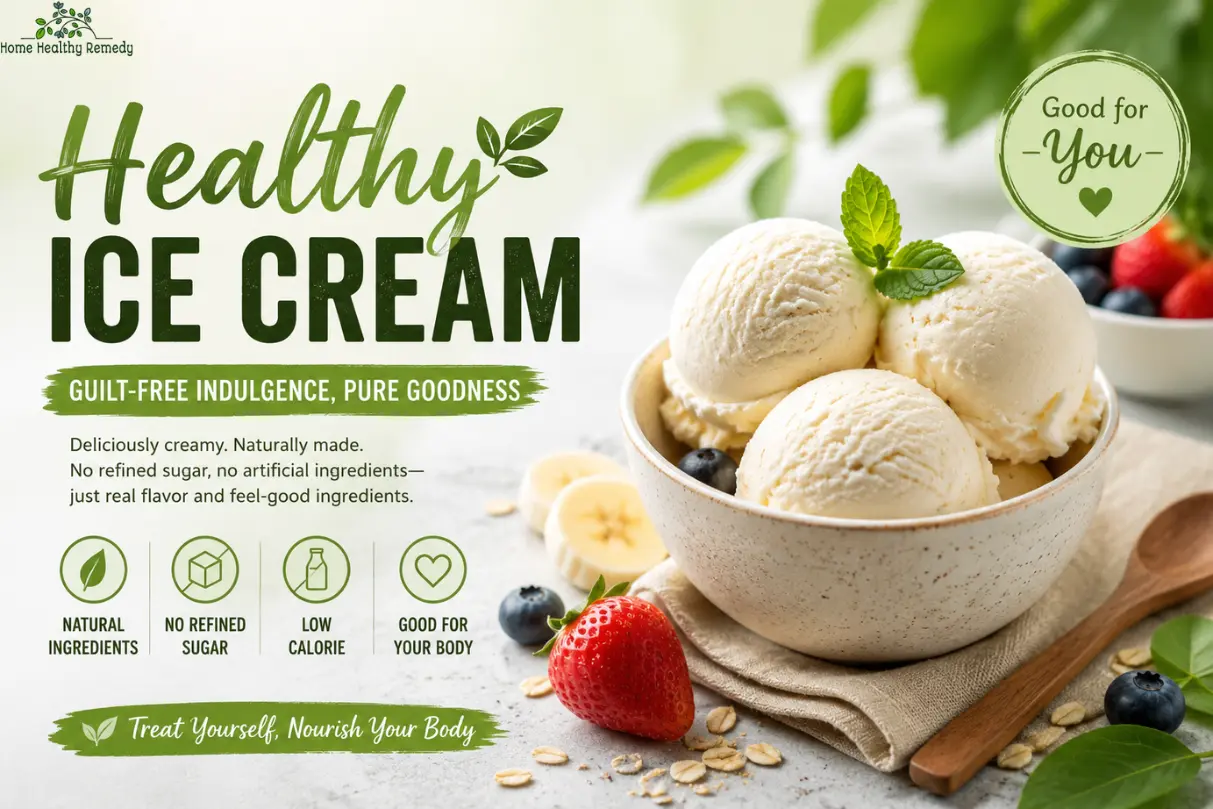
Healthy Ice cream is one of those foods almost nobody can say no to. But if you are watching your weight, managing blood sugar, or simply trying to eat clean, regular ice cream can feel like the enemy. The good news is that healthy ice cream is not a myth anymore. Thanks to smarter recipes, better sweeteners, and high-protein bases, you can now enjoy a cold, creamy treat without wrecking your diet.
In this guide, we will break down everything about healthy ice cream in simple language — what makes a scoop actually healthy, the best brands, the lowest calorie ice cream picks, easy ice cream healthy recipes you can make at home, and smart ice cream alternative options if you want to skip dairy completely. We will also answer the most common question people search for: what is the healthiest ice cream you can actually buy today?
What Is Healthy Ice Cream?
Healthy ice cream is a version of the classic dessert that swaps out some of the heavy cream, added sugar, and empty calories for ingredients that are gentler on your body. Most of these products focus on four things:
• Lower added sugar (often under 6–8 grams per serving)
• Fewer calories per scoop (usually 70–160 calories)
• Higher protein, using whey, milk protein, or Greek yogurt
• Cleaner ingredient lists, avoiding artificial dyes and heavy stabilizers
A true healthy ice cream is not necessarily “diet food.” It is simply a smarter version of a treat you already love, built so it fits into a balanced lifestyle instead of working against it. Nutrition experts agree that ice cream, including healthy ice cream, can absolutely be part of a balanced diet when portions and ingredients are chosen wisely.
What Is the Healthiest Ice Cream? (Simple Answer)
If you have ever typed “what is the healthiest ice cream” into Google at 11 p.m. while standing in front of your freezer, you are not alone. The honest answer is that the healthiest ice cream depends on your personal goals, but a few brands consistently top expert lists because of their balance of low sugar, moderate calories, and decent protein.
Registered dietitians generally judge the healthiest ice cream using this checklist:
1. Added sugar under 8 grams per serving
2. Saturated fat kept low, ideally under 3 grams per serving
3. At least 4–6 grams of protein per serving
4. No artificial dyes, titanium dioxide, or excess stabilizers
5. Portion size that keeps calories reasonable, not just “low per gram”
Based on these criteria, brands like Halo Top, Enlightened, Yasso, and Arctic Zero routinely appear at the top of “healthiest ice cream” rankings, because they manage to lower sugar and fat while keeping the texture creamy and satisfying.
How to Identify a Genuinely Healthy Ice Cream Brand
Not every product labeled “light” or “low-fat” on the box is truly a healthy ice cream. Marketing language can be misleading, so it helps to actually flip the tub around and read the label. Here is a simple, no-nonsense checklist for spotting a genuinely good option at the store:
1. Check the added sugar, not just total sugar. Total sugar includes natural milk sugar (lactose), which is fine. It is added sugar you want to watch. A genuinely healthy ice cream usually keeps added sugar under 8 grams per serving.
2. Look at the serving size trick. Some brands list a tiny serving size to make the calorie count look impressive. Always check calories per full container, not just per scoop, especially if you know you will eat more than one serving.
3. Scan for protein. A good option with 5 grams of protein or more per serving will keep you fuller for longer than a sugar-heavy version with almost no protein.
4. Watch for sugar alcohols. Erythritol, allulose, and monk fruit are common in this category because they add sweetness with minimal impact on blood sugar. Some people experience mild stomach upset with erythritol in large amounts, so start with a small portion if you are trying a new brand for the first time.
5. Avoid long lists of stabilizers and gums. A short ingredient list is usually a good sign that a product is closer to real food.
Lowest Calorie Ice Cream Options Worth Trying
If your main goal is weight management, the lowest calorie ice cream options can help you enjoy dessert without derailing your calorie budget. Here are some of the best lowest calorie ice cream picks currently on the market:
• Arctic Zero (plant-based): Around 50 calories per serving, made from fava bean protein, making it one of the lowest calorie ice cream options for anyone avoiding dairy.
• Halo Top: Roughly 90–100 calories per serving with 5–6 grams of protein, a favorite among people searching for a low-calorie pint that still tastes rich.
• Enlightened bars: About 80 calories per bar, offering a satisfying bite-sized treat.
• Yasso frozen Greek yogurt bars: Around 80–100 calories per bar with a solid protein boost from Greek yogurt.
• Frozen fruit sorbet: While technically not ice cream, sorbet made from real fruit can be one of the lowest calorie ice cream substitutes, often under 100 calories per cup.
When comparing lowest calorie ice cream products, always check the sugar and fat numbers too. A very low-calorie product that is packed with sugar alcohols may not agree with everyone’s stomach, so moderation still matters even with a low-calorie choice sitting in your freezer.
Why Calories Alone Don’t Tell the Whole Story
A number on the front of the box is only part of the picture. Two pints with the same calorie count can behave very differently in your body depending on how those calories are made up. A pint built mostly on protein and fiber will keep you satisfied far longer than one built on sugar alcohols and air. This is why dietitians usually recommend looking at the full nutrition panel — added sugar, saturated fat, protein, and fiber together — rather than chasing the single lowest number on the shelf. Context always beats a single headline figure.
Best Healthy Ice Cream Brands to Look For
Choosing from the growing list of healthy ice cream brands can feel overwhelming, so here is a simple breakdown of the most trusted names nutritionists frequently recommend:
Halo Top — One of the most popular options, known for high protein (around 5–6 grams per serving), lower sugar using stevia, and a wide range of flavors. It’s often considered the benchmark others try to match.
Enlightened — Another strong pick, offering low-calorie pints and bars with a creamy texture and decent protein content.
Yasso — Built on frozen Greek yogurt, this brand is a favorite for people who want probiotics along with their dessert.
Arctic Zero — A plant-based option, ideal for vegans, using fava bean protein and monk fruit sweetener.
So Delicious Dairy Free — A dependable name for dairy-free eaters, using coconut, cashew, or almond milk bases.
Breyers Delights — A lower-calorie, higher-protein line from a well-known company, proving that big mainstream names are catching up with smaller startups.
Rebel — A keto-friendly entry, very low in net carbs and sugar, ideal for low-carb eaters.
When picking from these healthy ice cream brands, match the option to your goals: high protein for post-workout, low sugar for blood sugar management, or plant-based for dairy sensitivity. Reading the label carefully still matters more than trusting the front-of-box marketing, even with well-known healthy ice cream brands.
Quick Nutrition Comparison
| Brand | Calories (per serving) | Added Sugar | Protein |
| Halo Top | 90–100 | 5–6g | 5–6g |
| Enlightened | 80–100 | 4–6g | 3–5g |
| Yasso | 80–100 | 6–8g | 5–6g |
| Arctic Zero | 40–50 | 3–5g | 1–2g |
| Rebel | 140–170 | 0–1g | 3–4g |
These numbers vary slightly by flavor, so always check the exact carton in front of you rather than relying on averages from a chart like this one.
Smart Ice Cream Alternative Options
If dairy-based tubs still feel too indulgent, an ice cream alternative can be an even lighter path to a cold, sweet treat. Some of the best ice cream alternative choices include:
• Frozen Greek yogurt: Keeps the creamy texture while adding protein and probiotics.
• Banana “nice cream”: Made by blending frozen bananas until smooth, needing no added sugar at all.
• Sorbet: A fruit-forward, dairy-free option, though it can still be high in natural sugar, so portion size matters.
• Coconut milk ice cream: Dairy-free, though it can run higher in saturated fat, so check labels carefully.
• Protein-based frozen desserts: Newer brands blend whey or plant protein into a soft-serve style treat that supports muscle recovery.
• Chia pudding “ice cream” cups: A fiber-rich option that is easy to prep ahead for the week.
Trying a different ice cream alternative every week is a great way to keep your dessert routine interesting while still supporting your health goals. Rotating between two or three go-to alternatives also stops any single sweetener or ingredient from becoming too large a part of your weekly diet.
Easy Ice Cream Healthy Recipes You Can Make at Home
Store-bought pints are convenient, but homemade options let you fully control sugar and portion size. Here are a few simple ice cream healthy recipes anyone can make in a normal kitchen, no ice cream maker required for most of them.
1. Two-Ingredient Banana Ice Cream
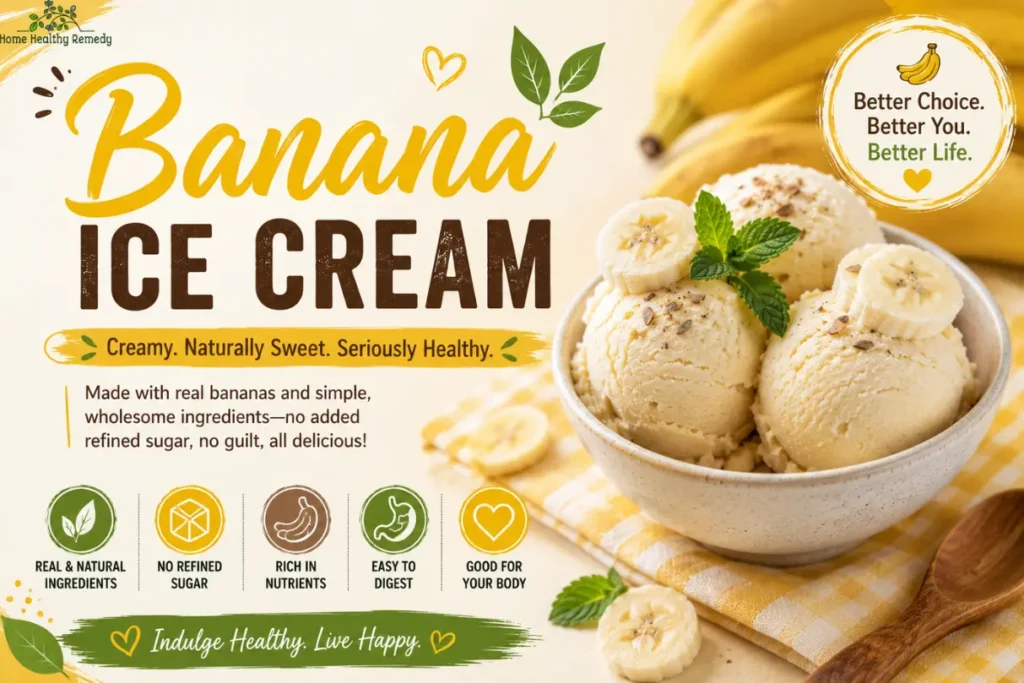
This is one of the easiest ice cream healthy recipes out there. Freeze ripe bananas overnight, then blend them in a food processor until they turn into a soft-serve texture. Add a spoon of peanut butter or cocoa powder for flavor. This recipe has no added sugar and is naturally creamy.
2. Greek Yogurt Berry Ice Cream
Blend 2 cups of plain Greek yogurt, 1 cup of frozen berries, and a tablespoon of honey. Freeze in a loaf pan for 3–4 hours, stirring every hour to keep it smooth. This is one of the most protein-rich recipes on this list, perfect for a post-workout treat.
3. Avocado Chocolate Ice Cream
Blend one ripe avocado, unsweetened cocoa powder, a splash of milk (dairy or plant-based), and a natural sweetener like monk fruit or a few dates. Freeze for two hours, then blend again for a smooth scoop. Among simple ice cream healthy recipes, this one stands out for healthy fats and fiber.
4. Protein Powder Vanilla Ice Cream
Mix one scoop of vanilla protein powder, a cup of milk, a tablespoon of Greek yogurt, and a pinch of xanthan gum (optional, for texture). Freeze in an ice cream maker for a genuinely creamy scoop, or freeze in a container and stir every 30 minutes if you don’t own a machine.
5. Mango Coconut Sorbet
Blend 3 cups of frozen mango chunks with half a cup of light coconut milk and a squeeze of lime juice until smooth. Freeze for one hour before serving for a scoopable texture. This tropical option is naturally sweet, completely dairy-free, and needs no refined sugar at all.
These ice cream healthy recipes prove that you don’t need a fancy machine or rare ingredients to enjoy a satisfying, better-for-you dessert at home. A basic blender, a freezer, and about ten minutes of prep time are usually all it takes to put together any of the recipes above.
The Science Behind Common Sweeteners
Understanding what replaces sugar helps explain why a lighter dessert can still taste sweet. Here is a quick, plain-language rundown of the sweeteners you will see most often on the label:
• Stevia: A plant-derived sweetener that is roughly 200–300 times sweeter than sugar, so only a tiny amount is needed. It has little to no effect on blood glucose.
• Erythritol: A sugar alcohol that the body absorbs but does not fully metabolize, so it contributes very few calories. Large amounts can cause gas or bloating in some people.
• Allulose: A rare natural sugar found in small amounts in figs and raisins. It tastes almost identical to table sugar but is mostly not absorbed, keeping the calorie count low.
• Monk fruit extract: Derived from a fruit long used in traditional Chinese medicine, monk fruit sweetener has zero calories and does not spike blood sugar.
None of these ingredients are automatically “bad,” but everyone reacts a little differently, so it is worth trying a small portion before committing to a full pint.
Healthy Ice Cream and Blood Sugar
One reason people search for healthy ice cream is blood sugar control. Traditional ice cream is loaded with added sugar and can cause a sharp glucose spike, followed by an energy crash. A properly formulated healthy ice cream, sweetened with monk fruit, allulose, or erythritol, produces a much smaller glucose response. If you are managing diabetes or prediabetes, always check with your doctor before adding any new “diabetic-friendly” dessert to your routine.
Healthy Ice Cream and Dental Health
Cold, sugary desserts can be tough on teeth, especially for people with sensitive gums or dental restorations. If you have had major dental work, such as All on 4 Dental Implants, it is smart to choose a softer, lower-sugar healthy ice cream and let it sit for a minute before eating, since extreme cold can sometimes cause temporary sensitivity around the implant site. Sticky, high-sugar ice cream toppings are also worth avoiding if you’re protecting new dental work.
People who wear All on 4 Dental Implants are usually advised by their dentist to avoid extremely hard mix-ins like nuts or hard candy chunks. Choosing a smooth, simple healthy ice cream flavor is generally a safer, more comfortable option while your mouth adjusts.
Health Benefits of Choosing Healthy Ice Cream Over Regular Ice Cream
• Lower sugar spikes: Healthy ice cream typically uses low-glycemic sweeteners, reducing the blood sugar rollercoaster.
• Better weight management: Because it’s lower in calories, a lighter option is easier to fit into a calorie-controlled diet.
• More protein: Many of these products include whey, casein, or Greek yogurt, supporting muscle repair and satiety.
• Reduced saturated fat: Choosing an option with less cream and more skim milk or plant milk can support heart health over time.
• Digestive support: Yogurt-based options often contain live cultures that may support gut health.
Possible Downsides to Watch For
Healthy ice cream is not perfect, and it helps to know the trade-offs:
• Sugar alcohols in some products can cause bloating or a laxative effect in sensitive people if eaten in large amounts.
• Some brands rely heavily on stabilizers and gums to mimic a creamy texture, which some people prefer to avoid.
• “Low-calorie” does not always mean nutrient-dense; even a healthy ice cream should still be viewed as a treat, not a meal replacement.
• Plant-based versions made with coconut milk can be surprisingly high in saturated fat, so read labels even on dairy-free options.
How to Make Any Ice Cream a Little Healthier
Even if you are not ready to switch brands completely, small changes can turn your usual dessert into something closer to a lighter, healthier scoop:
1. Stick to a proper serving size (about ⅔ cup) instead of eating straight from the container.
2. Add fresh fruit like strawberries or banana slices to add volume without many extra calories.
3. Pick simple flavors like vanilla or strawberry over loaded cookie-dough or brownie mixes.
4. Pair your scoop with a source of protein, like a spoon of nut butter, to slow down sugar absorption.
5. Choose a smaller bowl. Portion size on autopilot really does help most people naturally eat less.
Healthy Ice Cream FAQs
What is the healthiest ice cream you can buy?
Based on nutrition data, Halo Top, Enlightened, Yasso, and Arctic Zero are commonly ranked as the healthiest ice cream options because they balance low sugar, moderate calories, and good protein content.
What is the lowest calorie ice cream on the market?
Arctic Zero and similar plant-based pints are often the lowest calorie ice cream choices, sometimes as low as 50 calories per serving, followed closely by Halo Top and Enlightened bars.
Can I make ice cream healthy recipes without an ice cream machine?
Yes. Many ice cream healthy recipes, like banana nice cream or Greek yogurt berry ice cream, only need a blender or food processor and a freezer.
What is the best ice cream alternative for someone who is lactose intolerant?
Coconut milk, almond milk, or cashew milk-based ice cream alternative products are widely available and taste very close to traditional ice cream.
Are healthy ice cream brands more expensive than regular ice cream?
Generally yes, these brands can cost 20–40% more due to specialty sweeteners and higher protein ingredients, but prices have been dropping as more competitors enter the market.
Is homemade healthy ice cream better than store-bought?
Homemade recipes let you control every ingredient, which can make them a smart choice if you want zero added sugar, though a store-bought pint is more convenient for busy days.
Can diabetics eat healthy ice cream?
Some formulations of healthy ice cream, especially those sweetened with monk fruit or allulose, may be suitable in small portions, but anyone with diabetes should check with their doctor before making it a regular habit.
Does healthy ice cream actually taste as good as regular ice cream?
Taste is subjective, but blind taste tests by outlets like Taste of Home have found that top brands such as Halo Top and Breyers Delights come very close to the texture and flavor of full-fat versions, especially in simple flavors like vanilla.
How much healthy ice cream is safe to eat in one sitting?
A standard serving is about ⅔ cup. Even with a lower-calorie, lower-sugar product, eating an entire pint in one sitting can still add up in calories and may cause digestive discomfort from sugar alcohols, so sticking to a proper portion is the safest approach.
Final Thoughts on Healthy Ice Cream
Healthy ice cream has come a long way from the chalky, artificial-tasting “diet” desserts of the past. Today’s top brands genuinely taste good, and with the rise of smart sweeteners and protein-forward recipes, choosing a lighter dessert no longer means sacrificing flavor. Whether you pick up a pint of Halo Top, blend your own banana nice cream, or reach for a fruity sorbet as your go-to ice cream alternative, the key is balance: enjoy your treat, watch your portions, and let healthy ice cream be part of a lifestyle you can actually stick with.
Disclaimer: This article is for general informational and educational purposes only and is not intended as medical or nutritional advice. Home Health Remedy (homehealthyremedy.com) does not guarantee specific results, and individual outcomes with any healthy ice cream, diet change, or health product can vary. Please consult a qualified doctor, dentist, or registered dietitian before making changes to your diet, especially if you have diabetes, food allergies, or recent dental work. Home Health Remedy is not liable for any decisions made based on this content.
Scientific and Authoritative Sources:
1. National Institutes of Health (NIH) – https://www.nih.gov
2. Centers for Disease Control and Prevention (CDC) – https://www.cdc.gov
3. Mayo Clinic – https://www.mayoclinic.org
4. Harvard T.H. Chan School of Public Health, The Nutrition Source – https://www.hsph.harvard.edu/nutritionsource
5. PubMed / National Library of Medicine – https://pubmed.ncbi.nlm.nih.gov
6. American Heart Association – https://www.heart.org

Natural home remedies, skincare secrets, dental & eye health tips, and real product reviews to help you stay healthy the natural way.