

When memory, focus, and mental clarity do not feel as sharp as they used to, it is understandable to look for a simple daily wellness routine that fits into a busy schedule. This is where VapoBrain enters the conversation.
VapoBrain is presented as a daily cognitive support supplement designed around a six-ingredient formula featuring D-Glucosamine Sulfate, Ginkgo Biloba, Turmeric, Marigold extract, Green Tea, and Bamboo extract. According to the product information provided by the brand, the formula is intended to support memory and recall, focus and clarity, and overall cognitive wellness.
The appeal is straightforward: one capsule per day rather than a complicated supplement routine.
But does a convenient ingredient combination automatically make a supplement a worthwhile choice?
Not necessarily. A closer look at the formula, ingredient amounts, available research, pricing, guarantee, and the distinction between ingredient research and finished-product evidence gives a more useful picture.
This VapoBrain Review examines those details so buyers can make a more informed decision.
Affiliate Disclosure: This article may contain an affiliate link. If you purchase through the link, the publisher may receive a commission at no additional cost to you.
VapoBrain at a Glance
| Feature | Details |
|---|---|
| Product | VapoBrain |
| Category | Cognitive & brain wellness supplement |
| Format | Capsules |
| Serving | 1 capsule per day |
| Servings | 30 servings per bottle |
| Formula | 6 disclosed ingredients/extracts |
| Key Ingredients | D-Glucosamine Sulfate, Ginkgo Biloba, Turmeric, Marigold, Green Tea, Bamboo |
| Main Intended Areas | Memory, recall, focus, clarity and cognitive wellness |
| Manufacturing Claim | Made in the USA |
| Formula Claim | GMO-free |
| 2-Bottle Option | $79 per bottle / $158 total, shipping shown separately |
| 3-Bottle Option | $69 per bottle / $207 total |
| 6-Bottle Option | $49 per bottle / $294 total |
| Guarantee | 60-day money-back guarantee |
| Suggested Routine | 1 capsule daily |
| Target Market | Adults seeking daily cognitive wellness support |
What Is VapoBrain?
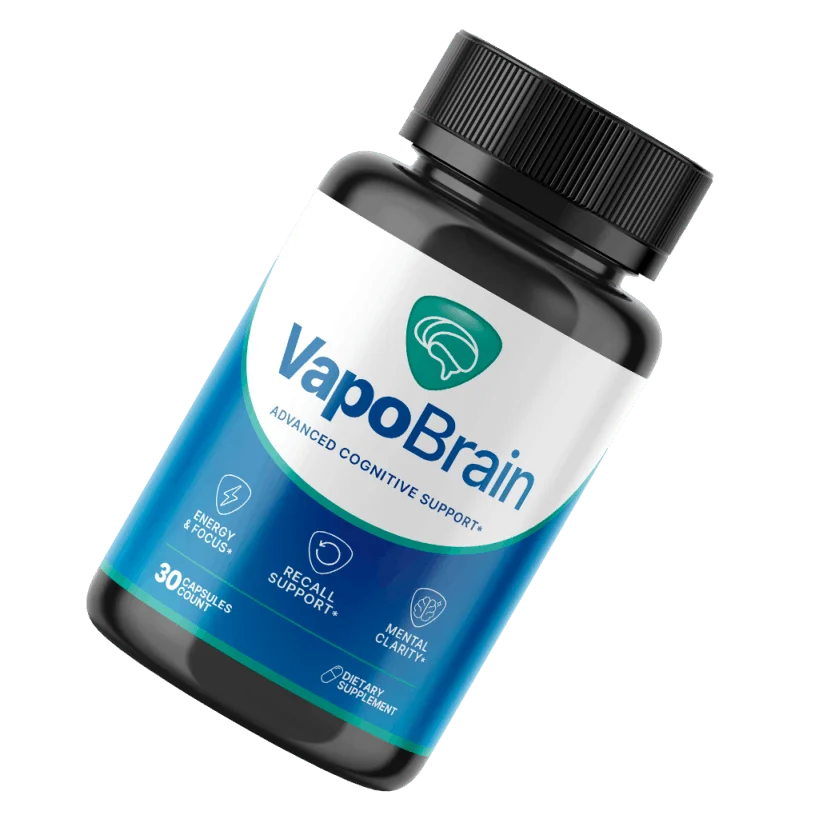
VapoBrain is a capsule-based dietary supplement marketed for people interested in maintaining memory, focus, mental clarity, and general cognitive wellness.
The product page describes it as an advanced cognitive support formula that combines six plant extracts and nutrients into a single daily capsule. The goal is convenience: instead of building a routine around several individual supplements, users receive the complete listed formula in one serving.
The disclosed formula contains:
- D-Glucosamine Sulfate
- Ginkgo Biloba
- Turmeric Root Extract
- Marigold Flower Extract
- Green Tea Leaf Extract
- Bamboo Leaf Extract
The product is supplied in bottles containing 30 capsules, with one capsule listed as the daily serving.
It is important to keep expectations realistic. VapoBrain is marketed as a dietary supplement, not as a treatment for memory disorders, dementia, Alzheimer’s disease, or another medical condition. The FDA explains that dietary supplements are not approved by the agency for safety and effectiveness before they are marketed.
That distinction matters when evaluating any supplement marketed around cognitive wellness.
VapoBrain Ingredients
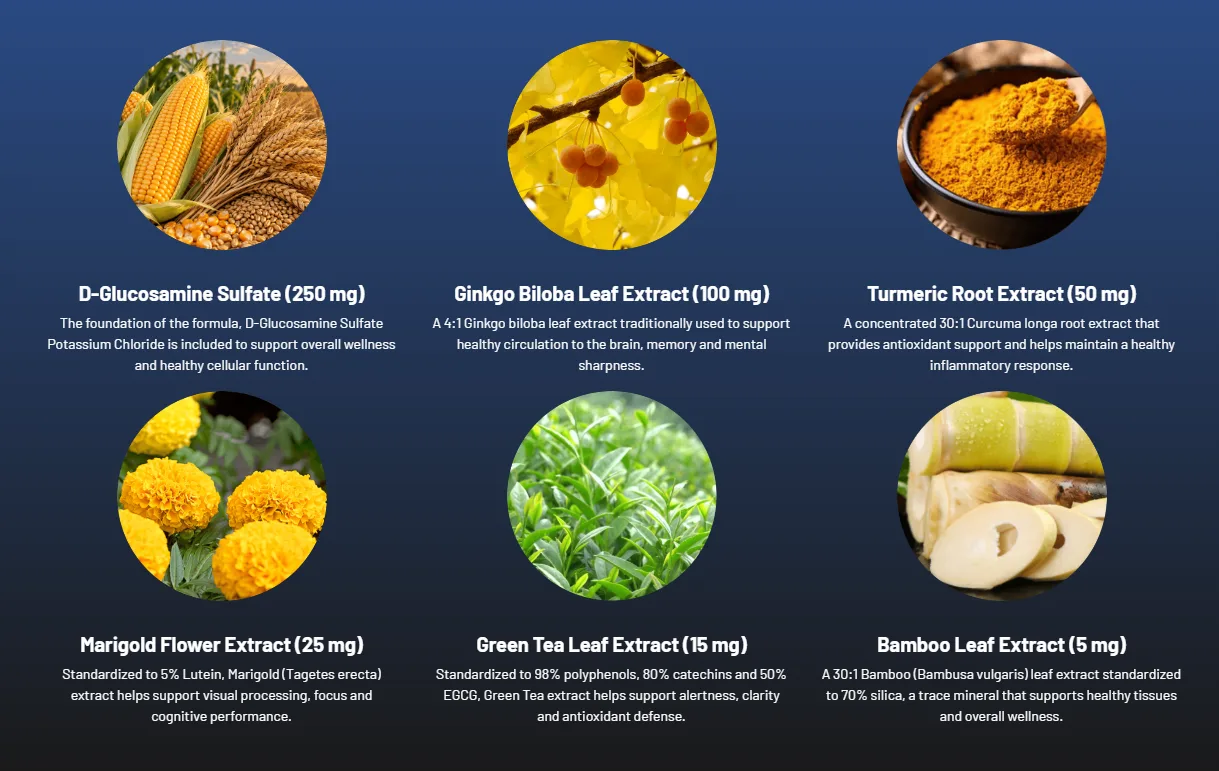
One of the stronger aspects of the product information is that the six main ingredients and their listed amounts are disclosed.
Here is a closer look.
1. D-Glucosamine Sulfate – 250 mg
VapoBrain lists D-Glucosamine Sulfate Potassium Chloride, providing 250 mg of D-Glucosamine Sulfate.
Glucosamine is commonly associated with nutritional products designed around joint and connective-tissue support. In VapoBrain, however, the product description positions this ingredient more broadly around overall wellness and healthy cellular function.
For cognitive claims specifically, it would be inappropriate to assume that the presence of glucosamine proves a memory or focus benefit. The product information does not provide a clinical trial demonstrating that the finished VapoBrain formula improves cognition.
Therefore, this ingredient should be viewed as one component of the overall formula rather than a stand-alone proof of cognitive effectiveness.
2. Ginkgo Biloba Leaf Extract – 100 mg
Ginkgo biloba is perhaps the most recognizable ingredient in the formula from a cognitive-wellness perspective.
VapoBrain lists 100 mg of a 4:1 Ginkgo biloba leaf extract and describes it as traditionally used to support healthy circulation, memory, and mental sharpness.
Research on ginkgo and cognition is considerably more complicated than many supplement advertisements suggest.
The National Center for Complementary and Integrative Health reports that there is no conclusive evidence that ginkgo is helpful for any health condition. Research in healthy people has also not established that ginkgo supplements reliably improve cognitive performance.
A recent systematic review and meta-analysis also found that ginkgo has limited effects across several cognitive outcomes, with results depending on the population and condition studied.
So, while ginkgo is a recognizable cognitive-support ingredient, its presence should not be interpreted as a guarantee of better memory or focus.
3. Turmeric Root Extract – 50 mg
The formula contains 50 mg of turmeric root extract, described as a concentrated 30:1 Curcuma longa extract.
Turmeric is widely researched for its various biological properties, particularly its compounds associated with antioxidant and inflammatory pathways.
However, research does not mean that every turmeric-containing supplement produces the same result.
The NCCIH notes that evidence is still insufficient to make definitive conclusions about turmeric for many health purposes. It also notes that conventionally formulated oral turmeric can cause gastrointestinal effects in some people, while certain highly bioavailable curcumin formulations have been associated with liver injury.
VapoBrain’s ingredient information does not indicate that its turmeric extract uses a special high-bioavailability formulation. Nevertheless, people taking medications or managing a medical condition should discuss supplement use with a healthcare professional.
4. Marigold Flower Extract – 25 mg
VapoBrain lists 25 mg of Marigold Flower Extract, standardized to 5% lutein.
This provides a source of lutein, a carotenoid found in foods and concentrated in tissues including the retina and brain.
Lutein has attracted research interest beyond eye health. A meta-analysis of randomized controlled trials found that dietary lutein did not produce statistically significant improvements across the main cognitive domains assessed, although some analyses suggested a possible role in maintaining cognitive performance. The researchers noted that additional intervention studies are needed.
Other research has reported more encouraging findings. For example, one randomized controlled trial involving adults with self-reported mild cognitive complaints found improvements in visual memory and visual learning after six months of lutein and zeaxanthin supplementation, although the supplement contained both carotenoids and the findings did not extend to every cognitive test.
This is a good example of why ingredient research needs to be interpreted carefully. Research on lutein is interesting, but it does not establish that the amount supplied by VapoBrain will produce the same outcomes.
5. Green Tea Leaf Extract – 15 mg
VapoBrain includes 15 mg of Green Tea Leaf Extract, standardized according to the provided product information to 98% polyphenols, 80% catechins, and 50% EGCG.
Green tea contains several biologically active compounds, which have been studied in different areas of health.
However, the evidence surrounding green tea extracts varies depending on dose, preparation, and intended use. NCCIH notes that definite conclusions cannot yet be reached for many purposes for which green tea is used. It also notes that green tea extract supplements can cause gastrointestinal side effects and that, although uncommon, liver injury has been reported primarily with extract products in capsule or tablet form.
That makes the exact formulation and amount important when evaluating any green-tea-containing supplement.
6. Bamboo Leaf Extract – 5 mg
The final listed ingredient is Bamboo Leaf Extract, with 5 mg included in the formula.
The product describes this as a 30:1 Bambusa vulgaris leaf extract standardized to 70% silica.
Silica is associated with structural tissues and general nutritional wellness, but the product information does not provide clinical evidence showing that this specific bamboo extract improves memory, focus, or cognition.
Therefore, it is best regarded as a supporting component of the formula rather than a proven cognitive enhancer.
What Are the Potential VapoBrain Benefits?
The brand positions VapoBrain around three primary areas:
Memory & Recall
The formula is marketed to support memory and recall, with ginkgo and lutein among the ingredients that have attracted cognitive research.
However, research on individual ingredients does not establish that the complete VapoBrain formula improves memory in users.
Focus & Mental Clarity
Green tea extract is included in the formula and is described by the brand as supporting alertness and clarity.
The overall product concept is therefore aimed at people who want to incorporate cognitive wellness into their everyday routine.
Still, users should distinguish between supporting normal wellness and expecting a supplement to dramatically change concentration or eliminate persistent cognitive symptoms.
Overall Cognitive Wellness
VapoBrain is designed as a broader cognitive-wellness product rather than a single-ingredient supplement.
Its six-ingredient approach combines botanical extracts, carotenoids, and glucosamine in one capsule. For consumers who prefer convenience, that may be more appealing than purchasing several separate products.
At the same time, there is no clinical trial provided in the product information demonstrating that the finished six-ingredient VapoBrain formula improves cognition.
That is one of the most important points to consider before purchasing.
Does VapoBrain Really Work?
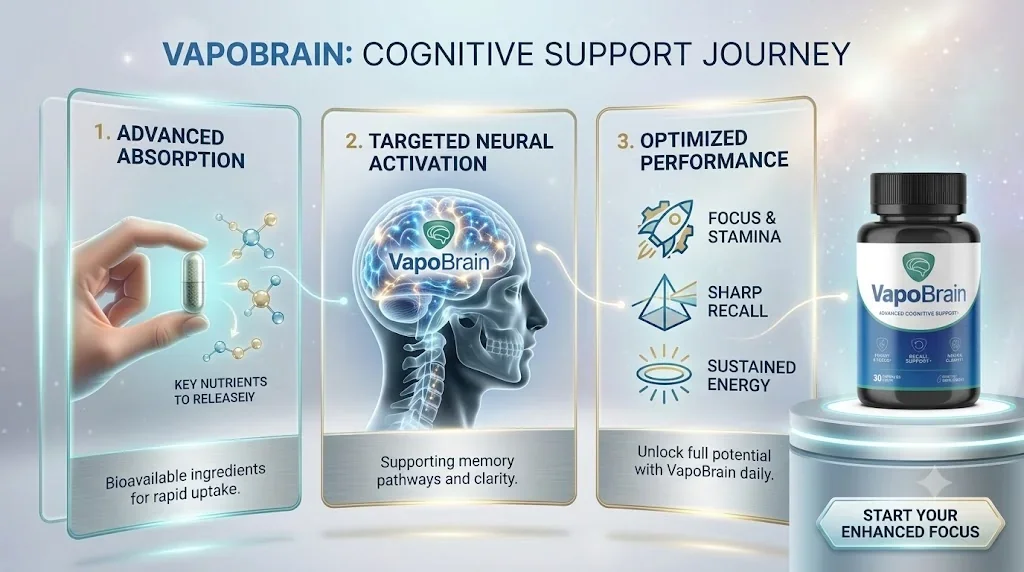
This is probably the most important question for a potential buyer.
The honest answer is that the available information does not allow us to say that VapoBrain has been clinically proven to improve memory, focus, or mental clarity.
Some individual ingredients have been researched, and several have plausible biological mechanisms that make them interesting from a nutritional perspective.
For example, ginkgo has been extensively studied, but NCCIH says evidence for cognitive benefits remains inconclusive.
Lutein also has an expanding body of cognitive research. Some studies have reported associations between higher lutein or zeaxanthin levels and cognitive performance, while randomized trials have produced mixed findings.
This means VapoBrain can reasonably be evaluated as a dietary supplement intended to support cognitive wellness, but it should not be presented as a clinically proven treatment or guaranteed memory enhancer.
Lifestyle remains important too. The National Institute on Aging notes that physical activity and management of overall physical health are among factors associated with maintaining cognitive health.
How Do You Take VapoBrain?
According to the product information provided, VapoBrain is designed around a simple routine:
Take one capsule per day.
Each bottle contains 30 servings, making one bottle a 30-day supply when used according to the listed serving recommendation.
The simplicity is one of the product’s practical advantages. Users do not need to measure powders or take multiple capsules throughout the day.
However, consumers should always follow the current product label and speak with a healthcare professional if they have questions about whether the formula is appropriate for them.
VapoBrain Price and Packages
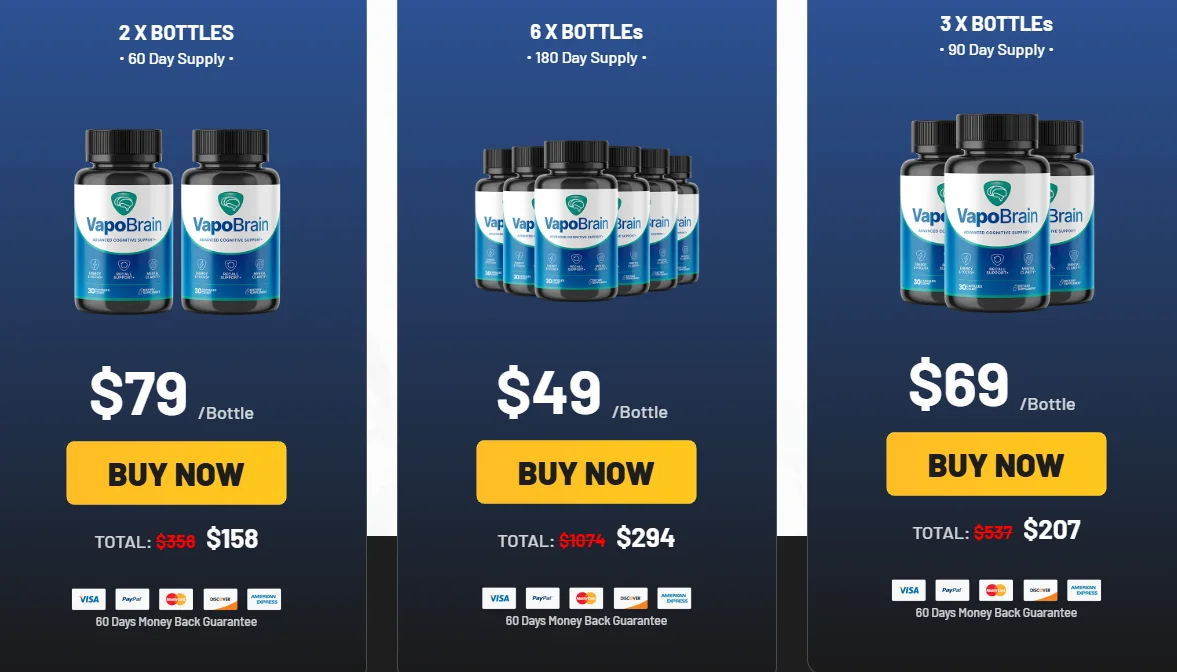
The product information provided lists three purchasing options.
| Package | Listed Price Per Bottle | Total Listed Price | Supply |
|---|---|---|---|
| 2 Bottles | $79 | $158 | 60 days |
| 3 Bottles | $69 | $207 | 90 days |
| 6 Bottles | $49 | $294 | 180 days |
The six-bottle package has the lowest listed cost per bottle.
The product page also displays a shipping distinction: the two-bottle option is shown with shipping separately, while the larger packages are marked with free shipping. Because online offers can change, buyers should confirm the final checkout total before completing an order.
VapoBrain 60-Day Money-Back Guarantee
The provided product information states that VapoBrain comes with a 60-day money-back guarantee.
According to the offer, customers who are not satisfied can contact the company within 60 days of purchase to request a refund.
A guarantee can reduce the financial risk associated with trying a supplement, but buyers should still review the current refund terms at checkout because policies can change.
It is also worth remembering that a money-back guarantee is a purchasing policy, not evidence that a supplement is clinically effective.
Is VapoBrain Made in the USA?
The product information describes VapoBrain as Made in the USA and presents the formula as GMO-free.
These are product-level claims supplied by the brand. Consumers who place particular importance on manufacturing location or quality standards should review the current packaging and manufacturer information for the most up-to-date details.
The FDA explains that dietary supplement manufacturers are responsible for ensuring that their products meet applicable safety and labeling requirements, while FDA does not generally approve supplements for safety and effectiveness before they reach the market.
VapoBrain Pros and Cons
| Pros | Cons |
|---|---|
| Six disclosed ingredients | Finished-product clinical evidence is not provided |
| One-capsule daily routine | Cognitive effects should not be assumed from ingredient research |
| Ginkgo and lutein have been researched for cognitive-related outcomes | Evidence for ginkgo and cognition remains mixed |
| 30 servings per bottle | Green tea and turmeric extracts may not be suitable for everyone |
| Made-in-USA claim from the brand | Buyers should verify current shipping and checkout pricing |
| GMO-free formulation claim | Not intended to diagnose or treat medical conditions |
| 60-day money-back guarantee | Results, if any, may vary between individuals |
VapoBrain Side Effects and Safety Considerations
A supplement containing several botanical extracts deserves the same level of caution as any other dietary supplement.
Ginkgo can cause side effects such as dizziness, gastrointestinal symptoms, and headache, and it may increase bleeding risk when taken with anticoagulant medicines such as warfarin.
Turmeric can cause gastrointestinal symptoms, and certain enhanced-bioavailability curcumin products have been associated with liver injury.
Green tea extract has also been associated with gastrointestinal side effects, and rare liver injury has been reported with concentrated extract products.
For that reason, people who are pregnant or breastfeeding, take prescription or over-the-counter medicines, have a diagnosed medical condition, or have concerns about liver or bleeding-related issues should consult a qualified healthcare professional before using VapoBrain.
The FDA similarly advises consumers to discuss dietary supplements with a doctor, pharmacist, or other healthcare professional because supplements can interact with medicines or other supplements.
Who Might Consider VapoBrain?
VapoBrain may be worth considering for an adult who:
- Wants a simple one-capsule daily supplement routine
- Is interested in general cognitive wellness
- Wants a formula containing multiple botanical extracts
- Is specifically interested in ingredients such as ginkgo and lutein
- Prefers a supplement rather than managing several separate products
- Understands that supplement benefits are not guaranteed
It may not be the right choice for someone expecting a supplement to diagnose or treat a memory disorder or another medical condition.
Persistent or rapidly worsening memory problems should be discussed with a healthcare professional rather than handled solely through supplementation.
What About VapoBrain Reviews?
When evaluating VapoBrain Reviews, it is useful to separate three different things: the ingredient research, the brand’s product claims, and independent evidence about the finished formula.
The first category has some scientific literature behind it. Ginkgo and lutein, for example, have both been studied in relation to cognitive outcomes.
The second category comes from the product’s own marketing materials.
The third category is where buyers should be more cautious. The product information provided does not include a published randomized clinical trial on the complete VapoBrain formula.
That does not automatically mean the product is ineffective. It simply means there is not enough evidence to make a strong clinical conclusion about the finished product.
A sensible buyer should therefore judge VapoBrain based on its formula, transparency, price, guarantee, personal suitability, and realistic expectations rather than assuming guaranteed results.
Frequently Asked Questions
What is VapoBrain used for?
VapoBrain is marketed as a daily cognitive support supplement intended to support memory, recall, focus, mental clarity, and overall cognitive wellness.
How many capsules do you take?
The provided product information recommends one capsule per day. Each bottle contains 30 servings.
What ingredients are in VapoBrain?
The disclosed formula contains D-Glucosamine Sulfate, Ginkgo Biloba Leaf Extract, Turmeric Root Extract, Marigold Flower Extract providing lutein, Green Tea Leaf Extract, and Bamboo Leaf Extract.
Does VapoBrain contain ginkgo?
Yes. The formula lists 100 mg of Ginkgo Biloba Leaf Extract.
Does VapoBrain contain caffeine?
The product information lists green tea extract but does not provide a separate caffeine amount. Therefore, consumers who need to monitor caffeine intake should check the current Supplement Facts panel or contact the manufacturer.
Is VapoBrain FDA approved?
No dietary supplement should be described as FDA-approved for effectiveness simply because it is legally marketed. FDA states that it does not approve dietary supplements for safety and effectiveness before marketing.
How long does one bottle last?
One bottle contains 30 servings, and the listed serving is one capsule per day. That makes it a 30-day supply when used as directed.
Does VapoBrain have a money-back guarantee?
According to the provided product information, VapoBrain includes a 60-day money-back guarantee.
Is VapoBrain a treatment for memory loss?
No. VapoBrain is presented as a dietary supplement for cognitive wellness. It should not be considered a treatment for dementia, Alzheimer’s disease, or another medical condition.
Can everyone take VapoBrain?
No supplement is appropriate for everyone. People taking medications, pregnant or breastfeeding individuals, and people with medical conditions should consult a healthcare professional before starting the product.
Final Verdict: Is VapoBrain Worth Considering?
VapoBrain Review: Could This Be Your Next Daily Brain Routine?
Take a closer look at VapoBrain’s cognitive formula and how its daily brain-support approach may fit into your wellness routine.
VapoBrain takes a straightforward approach to cognitive wellness: six disclosed ingredients combined into one daily capsule.
The formula includes familiar ingredients such as ginkgo, turmeric, lutein-containing marigold extract, and green tea, all of which have been studied in different contexts. However, the research does not establish that the complete VapoBrain formula will produce a particular memory, focus, or mental-clarity result.
That is the key distinction.
If your goal is to find a convenient supplement that fits into a daily wellness routine and you are comfortable with the current evidence limitations, VapoBrain may be worth considering. The one-capsule format, disclosed ingredient amounts, multiple package options, and 60-day guarantee are practical positives.
On the other hand, anyone looking for a clinically proven treatment for significant memory problems should not rely on a supplement like VapoBrain as a substitute for professional evaluation.
The strongest approach is to view VapoBrain as one optional part of a broader cognitive-wellness routine, alongside adequate sleep, physical activity, a balanced diet, management of health conditions, and appropriate medical care when needed. The National Institute on Aging emphasizes that cognitive health is influenced by multiple lifestyle and health factors rather than a single product.
Ultimately, VapoBrain may appeal most to consumers who value convenience and a multi-ingredient formula but want to keep their expectations realistic about what the available evidence can—and cannot—prove.
References
- U.S. Food & Drug Administration — Information for Consumers on Using Dietary Supplements FDA Dietary Supplement Information
- U.S. Food & Drug Administration — FDA 101: Dietary Supplements FDA 101: Dietary Supplements
- U.S. Food & Drug Administration — Questions and Answers on Dietary Supplements FDA Dietary Supplements Q&A
- National Center for Complementary and Integrative Health — Ginkgo: Usefulness and Safety NCCIH Ginkgo Information
- National Center for Complementary and Integrative Health — Turmeric: Usefulness and Safety NCCIH Turmeric Information
- National Center for Complementary and Integrative Health — Green Tea: Usefulness and Safety NCCIH Green Tea Information
- PubMed — Dietary Lutein and Cognitive Function in Adults: Meta-Analysis of Randomized Controlled Trials PubMed Lutein Cognitive Function Meta-Analysis
- PubMed — Effects of Lutein and Zeaxanthin Supplementation on Cognitive Function PubMed Lutein & Zeaxanthin Cognitive Trial
- PubMed — The Neuropharmacological and Clinical Effects of Lutein: A Systematic Review PubMed Lutein Systematic Review
- National Institute on Aging — Cognitive Health and Older Adults NIA Cognitive Health Information


Natural home remedies, skincare secrets, dental & eye health tips, and real product reviews to help you stay healthy the natural way.