

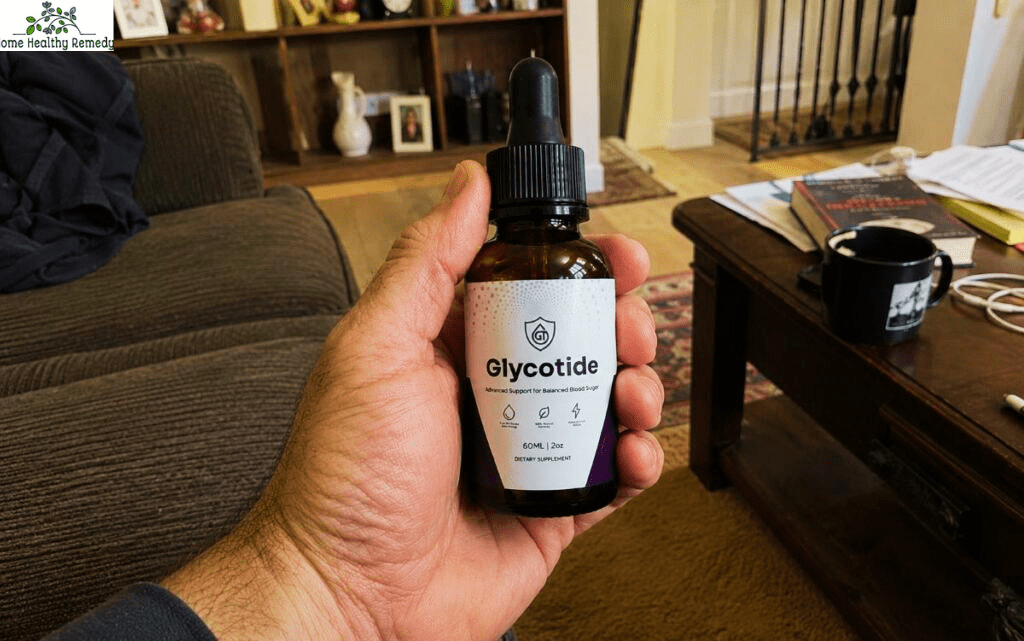
| Quick Summary Glycotide is a liquid blood sugar support supplement formulated with clinically studied plant-based ingredients — Gymnema Sylvestre, Berberine HCl, Chromium Picolinate, Green Tea Extract (EGCG), Panax Ginseng, Maca Root, L-Carnitine, and African Mango Seed Extract. It is not a weight loss product. Its sole purpose is to help the body maintain healthy blood glucose levels, reduce post-meal energy crashes, and support overall glycemic balance. After five weeks of consistent daily use, I experienced noticeably more stable blood sugar patterns, significantly fewer sugar cravings, improved post-meal cognitive clarity, and better overall daily energy without any reliance on stimulants. |
Let me be clear from the start: I did not try Glycotide to lose weight. I tried it because I was tired of feeling awful after meals — the sudden fatigue, the brain fog, the desperate craving for something sweet within an hour of eating a full lunch. My concern was blood sugar regulation. That is precisely what Glycotide is formulated to address, and that is the only lens through which this entire review is written.
If you want to understand the basics of what is happening in your body during these episodes, this guide on understanding blood sugar is a helpful starting point before diving into any supplement discussion.
The Problem Was Bigger Than Just Blood Sugar Readings
Most people think blood sugar is exclusively a diabetic concern. I believed the same thing for a long time. The reality is that blood glucose dysregulation affects a far wider population — people who may test within a technically normal range but still experience the functional consequences of unstable glycemic patterns after every meal.
My mornings were generally fine. But within 90 minutes of almost any meal containing carbohydrates, I would hit a wall. A heavy fatigue. A mental fog that made concentration feel like thinking through wet concrete. An intense pull toward something sweet or starchy — not genuine hunger, but the blood sugar crash demanding a fast glucose fix.
This pattern is well-documented in metabolic science. When you eat carbohydrates, blood glucose rises. The pancreas releases insulin to move that glucose into cells. If that process is not working efficiently — due to impaired insulin sensitivity, a sluggish pancreatic response, or poor dietary composition — blood sugar spikes too high and then crashes too fast. The body reads this crash as an emergency and triggers urgent hunger signals. This is the core cycle behind persistent sugar cravings and post-meal fatigue. To understand what normal blood sugar levels actually look like and why deviating from that range creates symptoms, it is worth reviewing those benchmarks before interpreting your own patterns.
The harder part to accept was that this was not a willpower problem. The cycle I was experiencing had a physiological explanation. When blood sugar drops sharply after a meal, the symptoms that follow — irritability, anxiety, difficulty concentrating, intense food cravings — are the body’s legitimate stress responses to low glucose availability. Learning about the symptoms of low blood sugar helped me recognise that what I had been calling “afternoon weakness” or “post-lunch laziness” was actually a physiological response to glycemic instability.
I needed a targeted intervention — not a diet overhaul, not a stimulant supplement, but something specifically designed to support the biological mechanisms behind glucose regulation. That search eventually led me to Glycotide.
What I Tried Before (And Why It Did Not Last)
Over the previous two years I had tried several approaches specifically targeting the blood sugar instability I was dealing with. Here is the honest outcome of each:
Cinnamon extract supplement: Cinnamon has modest published evidence for fasting glucose reduction in people with blood sugar irregularities. I tried a standardised cinnamon extract for six weeks. The effect on my post-meal crashes was negligible. Cinnamon alone operates through a relatively narrow mechanism and is not a comprehensive enough intervention for the multi-pathway problem of post-meal glycemic dysregulation.
Low glycaemic index eating: Switching to lower-GI meals reduced the severity of post-meal crashes somewhat. But the approach required constant nutritional vigilance, created significant friction at social meals, and addressed symptoms rather than the underlying regulatory dysfunction. It reduced the glycemic spike by reducing glucose input — it did not improve my body’s capacity to manage that glucose once it arrived.
Apple cider vinegar before meals: There is limited evidence that acetic acid may blunt post-meal glucose spikes marginally by inhibiting salivary amylase activity. In practice, the results in my case were too minor to justify the daily unpleasantness of drinking diluted vinegar. My post-meal pattern did not meaningfully change.
Standalone Berberine HCl: This produced the most meaningful result of anything I tried before Glycotide. Berberine at 500mg twice daily noticeably reduced post-meal fatigue and sugar cravings within three weeks. However, it came with significant gastrointestinal side effects — cramping and loose stools — that made sustained use difficult. I eventually stopped. I later discovered that Berberine in a multi-ingredient formula like Glycotide is combined with complementary botanicals that appear to mitigate the digestive disruption without sacrificing the glycemic benefit.
None of these single-approach interventions produced lasting, comprehensive results. Blood sugar regulation involves multiple simultaneous biochemical pathways. For a fuller picture of evidence-based approaches to managing glucose levels, the article on how to reduce blood sugar levels naturally covers the lifestyle and supplementation landscape well — and helped me understand why single-ingredient approaches kept falling short.
How I Came Across Glycotide
I found Glycotide through a forum discussion thread specifically focused on blood sugar management for non-diabetic adults. The thread was detailed and unusually honest — someone had spent two years evaluating supplements specifically for post-meal glycemic crash reduction, not weight or energy in the general sense. Glycotide appeared near the top of their ranking with the specific note that it was the only multi-ingredient liquid formula they had tried that addressed both the post-meal spike and the subsequent crash through different ingredient mechanisms working simultaneously.
I spent a week cross-referencing the formula before ordering. I looked at each active ingredient individually, searched PubMed for relevant human trials, and read consumer reviews on independent platforms separate from the manufacturer’s website. I checked manufacturing credentials — GMP-certified facility, FDA-registered, non-GMO, made in the United States.
One thing that gave me additional confidence was the 60-day money-back guarantee. Meaningful evaluation of a blood sugar supplement requires at least four to five weeks of consistent daily use — the biochemical changes underlying glycemic regulation do not happen overnight. A 30-day guarantee is simply not long enough to assess this category of supplement properly. The 60-day window aligned with the realistic evaluation period needed. I also appreciated being able to review what fasting blood sugar means as a baseline metric — having that context helped me understand which of my symptoms were most likely tied to fasting glucose versus post-meal glucose regulation.
I ordered the three-bottle package to ensure I had enough supply for a complete five-to-six-week evaluation without interruption.
Glycotide Ingredients: What I Actually Checked
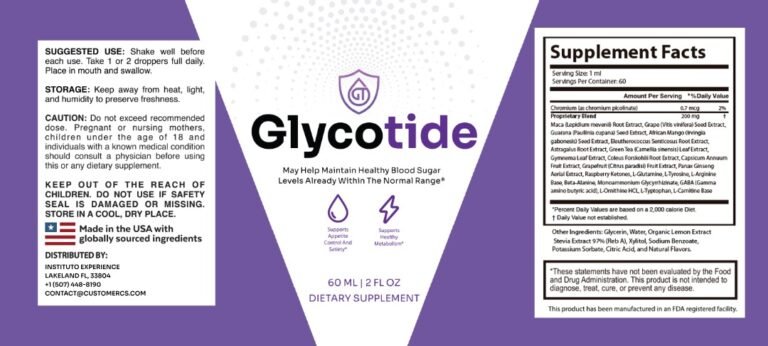
This is the most important section of the review. Every claim I make about Glycotide’s ingredients is supported by published research. The citations below are from peer-reviewed journals and PubMed-indexed studies — not from the manufacturer’s website. I have linked each key study so you can verify the evidence independently.
Gymnema Sylvestre Leaf Extract
Gymnema Sylvestre is one of the most extensively studied botanicals for blood sugar support. Its active compounds — gymnemic acids — have a dual mechanism: they inhibit glucose absorption in the intestinal epithelium by occupying the same receptor sites that glucose uses to cross the intestinal wall, and they stimulate insulin secretion from pancreatic beta cells. A peer-reviewed study published in the Journal of Clinical Biochemistry and Nutrition (2013) found significant associations between Gymnema supplementation and reduced fasting blood glucose and HbA1c in participants with blood sugar irregularities. The same gymnemic acid compounds that block intestinal glucose absorption also temporarily alter sweet taste perception — which directly supports the reduction in sugar cravings that many users, including myself, report.
Berberine HCl
Berberine is the most research-backed natural compound in the glycemic support category. Its primary mechanism is activation of AMPK (adenosine monophosphate-activated protein kinase) — an enzyme described as a “master metabolic switch” that governs cellular glucose uptake. A landmark 2008 study published in Metabolism compared Berberine at 500mg three times daily to metformin in participants with type 2 diabetes and found comparable effects on fasting blood glucose, post-meal glucose, and HbA1c. These are not clinically equivalent interventions, and Berberine is not a pharmaceutical replacement — but the mechanistic evidence for its role in glucose regulation is substantial. A broader review of AMPK activation and metabolic regulation in Nature Reviews Molecular Cell Biology provides the mechanistic context for why this pathway is central to glycemic control.
Chromium Picolinate
Chromium is an essential trace mineral that enhances insulin receptor binding — the process by which insulin molecules attach to cell surface receptors to initiate glucose uptake. Without adequate chromium, insulin binding efficiency is reduced and cells are slower to absorb circulating glucose. A meta-analysis published in Diabetes Technology and Therapeutics reviewed 15 randomised controlled trials and found that chromium supplementation was associated with significant reductions in fasting blood glucose and insulin levels. The picolinate form specifically has been shown in bioavailability studies to be more efficiently absorbed than other chromium salts. Chromium’s inclusion in Glycotide addresses a nutritional deficit that is surprisingly common and often overlooked as a contributing factor to impaired glycemic response.
Green Tea Leaf Extract (EGCG)
The primary active polyphenol in green tea extract, EGCG (epigallocatechin gallate), inhibits alpha-amylase and alpha-glucosidase — two digestive enzymes responsible for breaking down complex carbohydrates into absorbable glucose. By partially inhibiting these enzymes, EGCG slows the rate at which carbohydrates convert to blood glucose after a meal, directly addressing the rapid post-meal spike that drives subsequent crashes. A study published in the Journal of Nutritional Biochemistry documented these enzyme inhibition effects and their downstream impact on post-meal blood glucose curves. The standardised extract in Glycotide ensures a consistent EGCG concentration per dose — unlike drinking green tea, where polyphenol content varies enormously between preparations.
Panax Ginseng Root Extract
Panax ginseng’s active compounds — ginsenosides — have been studied for their effects on both fasting and post-meal blood glucose through multiple pathways, including enhanced insulin secretion, improved peripheral insulin sensitivity, and inhibition of carbohydrate absorption. A systematic review and meta-analysis published in PLOS ONE found that Panax ginseng supplementation was associated with statistically significant reductions in fasting blood glucose across multiple trials in participants both with and without diabetes. Ginseng also has established research support for reducing the cognitive fatigue that accompanies blood sugar crashes — addressing the brain fog dimension of glycemic dysregulation that is often as disruptive as the physical fatigue.
Maca Root Extract
Maca is an adaptogenic botanical from the Andes Mountains traditionally used for energy, hormonal balance, and stress resilience. In the context of blood sugar support, its role is indirect but important: chronic blood sugar instability triggers repeated cortisol responses, and chronically elevated cortisol directly impairs insulin sensitivity — creating a self-reinforcing cycle of stress and glycemic dysregulation. Adaptogens like Maca help moderate this cortisol response, reducing one of the less-discussed drivers of insulin resistance. Including an adaptogen in a blood sugar formula addresses the hormonal stress dimension of glucose regulation that purely glycemic formulas typically miss.
L-Carnitine
L-Carnitine’s primary role is transporting long-chain fatty acids into the mitochondrial matrix for oxidation — the process by which fat is converted to usable cellular energy. When glucose metabolism is impaired, efficient fat oxidation becomes more critical for maintaining stable energy between meals. Beyond fat metabolism, L-Carnitine has been shown to have direct effects on insulin-mediated glucose uptake in skeletal muscle. A meta-analysis in Obesity Reviews found associations between L-Carnitine supplementation and improved glucose metabolism markers. Its inclusion in Glycotide supports both the direct glycemic pathway and the alternative energy pathway that the body relies on more heavily when blood sugar is unstable.
African Mango Seed Extract (Irvingia gabonensis)
African Mango seed extract has been studied primarily for its effects on adiponectin — a hormone produced by adipose tissue that plays a regulatory role in insulin sensitivity and glucose homeostasis. Higher adiponectin levels are consistently associated with better insulin function and more stable post-meal glucose responses. A randomised controlled trial published in Lipids in Health and Disease found significant improvements in metabolic markers in participants supplementing with Irvingia gabonensis extract, including changes in adiponectin that would be expected to support improved glycemic regulation. Research in this specific area is still developing, but the mechanistic rationale is sound.
The formula is delivered as a liquid. This matters for a blood sugar supplement specifically because the timing of active compound availability relative to meal glucose absorption is important. Liquid formulas begin absorbing immediately upon sublingual administration, reaching effective blood concentrations faster than capsules that must first dissolve in the stomach. For glycemic support — where the goal is to have compounds active before or during glucose absorption from a meal — this pharmacokinetic advantage has practical relevance.
Ordering, Delivery, and What Actually Showed Up
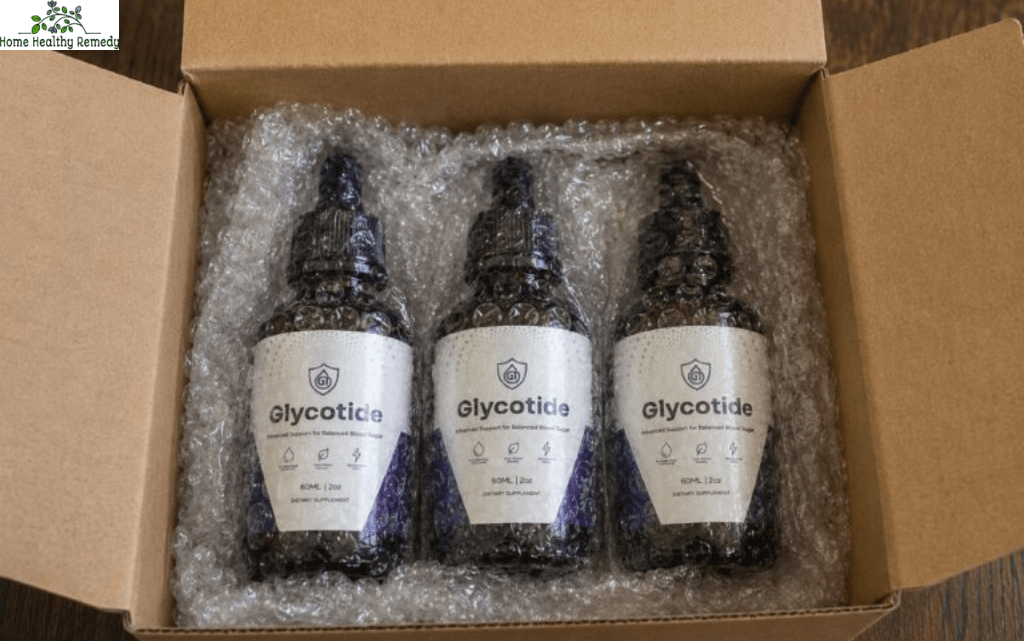
I ordered directly from the official Glycotide website and chose the three-bottle package to ensure uninterrupted supply through my full evaluation period. The checkout was secure. I received an order confirmation email immediately and a shipping notification within 24 hours.
The package arrived in approximately five business days in plain outer packaging with no supplement branding visible externally. Inside was a bubble-protected amber glass dropper bottle, a dosage instruction card, and a brief welcome guide explaining the supplement’s purpose and the expected timeline for results.
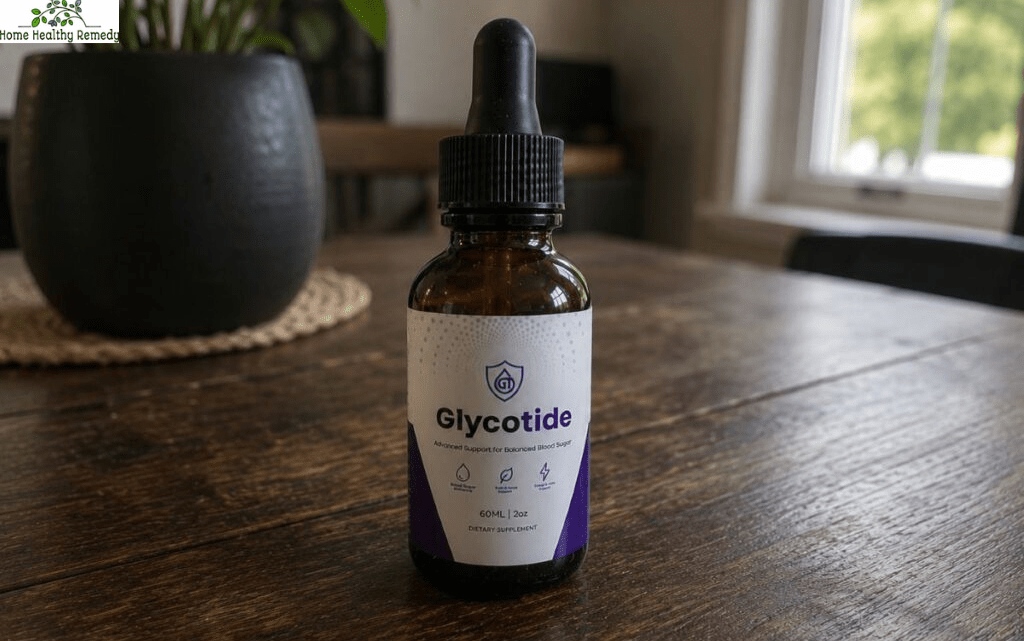
The bottle holds 60 ml and provides 60 servings at 1 ml per dose, or 30 servings at the 2 ml daily dose some experienced users prefer. The liquid is amber-coloured with a mild, distinctly botanical smell. Taken sublingually (under the tongue), the taste is slightly bitter — consistent with the gymnemic acid and berberine content — fading within about 90 seconds. Added to a glass of water, the taste is barely perceptible. The dropper mechanism is precise and easy to use for consistent daily dosing.
Glycotide Review: My Experience Over 5 Weeks
I documented my experience through brief daily notes focused entirely on blood sugar-related symptoms: post-meal energy patterns, sugar cravings, mental clarity after eating, afternoon slumps, mood between meals, and overall sense of glycemic stability. I did not track weight — that was never the goal.
Days 1–3
The first three days produced no noticeable change. This was expected. Botanical blood sugar supplements require time for active compounds to reach effective tissue concentrations and begin modulating the enzymatic and hormonal pathways involved in glucose regulation. There is no physiological mechanism by which meaningful glycemic support could manifest in 48 hours.
The one notable event: on day four, I experienced mild digestive awareness — a slight heaviness in my gut that was not painful but noticeable. I attribute this to Berberine, which is well-documented to cause a brief adjustment period as intestinal bacteria and digestive enzyme activity adapt to its presence. I switched to taking the supplement with food rather than before it, and the feeling resolved completely by day five and did not return.
Week 1
By the end of the first week, I noticed the first subtle sign of change: my post-lunch energy crash — which had reliably hit between 1:30 and 2:30 PM for years — was marginally less severe. Not eliminated, not dramatic, but the wall was softer. Instead of a sudden cognitive shutoff, there was a more gradual dip that I could work through without needing to stop entirely.
On three of seven evenings that week, I did not experience the usual pull toward sweet food after dinner. That was unusual for me. My sleep quality was marginally better on four nights — a likely downstream effect of early glycemic stabilisation, since nocturnal blood glucose fluctuations are a common cause of disrupted sleep.
Week 2
Week two produced more consistent, unmistakable changes. The post-meal pattern was noticeably different. After lunch — historically my most difficult meal for blood sugar management — I was maintaining cognitive function through the afternoon in a way I had not experienced in years. The best description I can give: previously, a carbohydrate-containing lunch felt like it added cognitive weight. After two weeks of Glycotide, the same meal was followed by noticeably less mental disruption.
My post-dinner sugar cravings dropped significantly. On five of seven evenings that week, I had no meaningful craving for sweet food after dinner. On the two evenings where cravings appeared, they were mild and easily dismissed — not the white-knuckle exercise in resistance they had previously required. Understanding that these cravings are driven by blood sugar crashing to a low point — rather than being a personal failure of willpower — had changed how I related to them. The article on causes of low blood sugar without diabetes was genuinely illuminating here: it confirmed that reactive hypoglycaemia (blood sugar dropping sharply after a meal in people without diabetes) is a real and common phenomenon, and Gymnema’s dual mechanism of slowing glucose absorption while supporting insulin function addresses exactly this pattern.
I also noticed I was less irritable between meals. The low-blood-sugar edge — the short-fused, slightly anxious quality that builds as blood sugar drops toward the lower end of the normal range — was less pronounced. My partner commented on this before I mentioned it, which I took as more meaningful evidence than my own self-reporting.
Week 3
By week three, the pattern was consistent enough to be unambiguous. My days had taken on a more even quality. Morning energy was reliable. Post-meal crashes were mild enough to be barely noticeable. Afternoon cognitive function was genuinely improved.
The sugar craving pattern had effectively inverted. Where nightly cravings had been the rule and craving-free evenings the exception, by week three I was going most evenings without a meaningful craving. This shift in the baseline — not just the individual evenings but the overall pattern — suggests the underlying blood sugar signalling was changing at a systemic level, not just being temporarily suppressed.
I was also naturally choosing smaller portions at meals without conscious restriction. I was reaching genuine satiety faster. The starchy or sweet component of a meal no longer felt urgently necessary. These are the downstream behavioural effects of improved glycemic regulation: when blood sugar is stable, appetite signals become more accurate, and food choices become less driven by metabolic emergency.
Week 4
Week four was characterised by stability. The improvements from week three held and consolidated without any need for additional effort on my part. My afternoon energy was reliable. My post-meal cognitive function was good. Evening sugar cravings were minimal.
The most meaningful test of this week was a social event that involved a meal considerably higher in refined carbohydrates and added sugar than my usual diet. Previously, this kind of meal would reliably produce a significant post-meal crash — intense fatigue, brain fog, and then powerful sugar cravings two hours later. During week four, the same type of meal produced a noticeably milder response. The fatigue was present but manageable, and the subsequent craving cycle did not materialise with its usual force. This was meaningful evidence that the supplement’s glycemic support was operating at a physiological level, not just in the context of my usual diet.
Week 5
By the end of week five, I had established a new daily baseline. The pattern I had lived with for years — unstable post-meal energy, afternoon crashes, evening sugar cravings, the general sense of being at the mercy of whatever I had last eaten — had fundamentally shifted. Not vanished entirely, but genuinely regulated. The daily experience of blood sugar instability and its consequences, which I now understood clearly through the framework of normal blood sugar levels and what it means when the body fails to maintain them, had become the exception rather than the rule.
The most meaningful marker was how I felt two hours after eating. Previously that window was reliably difficult. By week five, it was unremarkable — which, for something that had been consistently disruptive for years, felt like the most significant improvement of all.
Results Timeline
| Timeframe | What I Noticed |
| Days 1–3 | No noticeable change; slight digestive awareness on day 4 that resolved within 48 hours |
| Week 1 | Mild reduction in post-meal energy slump; slightly more stable blood sugar pattern through the afternoon |
| Week 2 | Noticeably fewer blood sugar spikes after meals; sugar cravings reducing; more consistent mental clarity |
| Week 3 | Post-meal fatigue significantly reduced; better cognitive function after eating; mood more even between meals |
| Week 4 | Stable energy all day; sugar cravings largely under control; improved sense of glycemic balance |
| Week 5 | Sustained blood sugar balance; no dramatic post-meal crashes; clear, consistent daily energy; felt genuinely regulated |
Life Now After Finishing My First Batch
I am now midway through my second bottle of Glycotide, and the glycemic stability established during the first five weeks has continued. I have not reverted to previous patterns. Post-meal crashes are absent as a daily occurrence. The evening sugar craving cycle remains largely quiet. My afternoon cognitive function is reliable in a way it was not before.
What I find most significant is that the changes feel physiological rather than disciplinary. I am not managing my blood sugar through constant dietary vigilance and willpower. The supplement appears to be supporting the underlying mechanisms of glucose regulation, which changes how the body signals hunger, satiety, and energy in ways that make better choices the path of least resistance rather than a constant effort.
I have also had several high-carbohydrate meals since finishing the first bottle, and the post-meal response continues to be noticeably milder than it was before I started. That consistency across varying dietary inputs is the clearest evidence I have that the supplement is working at a systemic level rather than simply masking symptoms in the short term.
Tips That Helped Me Use Glycotide More Effectively
Take it sublingually 15 minutes before your first meal. Blood sugar support compounds are most useful when they are active in your system before glucose from food begins arriving. Taking the drops under the tongue before breakfast gives key compounds like Gymnema and EGCG time to begin modulating the absorption and processing pathways before you eat.
Do not skip the sublingual step. Holding the drops under your tongue for 60 seconds allows absorption directly through the oral mucosa, bypassing digestive delay. This is a genuine pharmacokinetic advantage for a blood sugar formula where timing of active compound availability matters.
Pair with a consistent meal schedule. The body’s insulin response is partly governed by circadian rhythms — eating at consistent times helps the glycemic regulatory system become more predictable. Glycotide supports this consistency more effectively when you are not continuously disrupting your eating schedule with irregular timing.
Reduce the most processed sugar sources modestly. Glycotide supports glycemic regulation — it does not override a diet that floods the bloodstream with rapid-release glucose continuously. You do not need to follow a strict low-carbohydrate diet. But reducing the highest-impact sources (sugary beverages, confectionery, highly refined pastries) gives the supplement less glycemic disruption to manage and allows its effects to be more clearly felt.
Do not evaluate it before week three. Week one is an adjustment period. Week two brings early signs. Week three is where the effects become consistent and unambiguous. Judging this supplement on week one results is like judging a medication by its first two doses.
Hydrate consistently. Adequate hydration supports kidney function in glucose clearance, helps maintain blood volume for efficient glucose transport, and prevents the dehydration-driven hunger signals that can complicate the picture of what is a genuine craving versus a hydration need.
Glycotide Feedback: Would I Recommend It?
Yes — specifically and only for people dealing with blood sugar instability, post-meal energy crashes, glycemic dysregulation, and the sugar cravings that accompany unstable glucose patterns. I want to be precise about what I am recommending it for: it is a blood sugar support supplement. It is not a weight loss product, not a stimulant energy booster, and not a pharmaceutical intervention for diabetes.
For people experiencing the daily consequences of glycemic dysregulation — post-meal fatigue, sugar cravings, afternoon cognitive fog, mood disruption between meals — Glycotide delivered meaningful improvement within a five-week evaluation period. The ingredient formula is backed by independently published research. The liquid delivery format supports bioavailability for time-sensitive glycemic support. The 60-day guarantee covers the full evaluation period needed to assess this category of supplement properly. If you are unsure whether your symptoms align with blood sugar dysregulation rather than some other cause, reviewing the symptoms of low blood sugar is worth doing before starting any supplement.
Glycotide Pros and Cons
✅ Pros ❌ Cons
• Multi-ingredient formula targeting multiple glycemic pathways simultaneously
• Key ingredients supported by PubMed-indexed, peer-reviewed human trials
• Liquid drop sublingual format — faster active compound availability vs. capsules
• No synthetic stimulants; energy improvement comes from stable glucose, not caffeine
• Non-GMO, gluten-free, manufactured in a GMP-certified, FDA-registered U.S. facility
• Multi-ingredient approach reduces the digestive side effects of standalone Berberine
• 60-day money-back guarantee covers the full evaluation window needed for this supplement category
• Addresses multiple symptom dimensions: crashes, cravings, cognitive fog, mood • Results require 2–3 weeks to become noticeable — not a quick-fix formula
❌ Cons
• Some ingredient dosages sit within a proprietary blend; individual amounts not fully disclosed
• Only available directly through the official website — not in pharmacies or retail stores
• Per-bottle cost is relatively high for single-bottle purchases
• Mild digestive adjustment in week one for some users (typically resolves by day 5–6)
• Not a substitute for prescribed diabetes medication or medical blood sugar management
• Results vary depending on severity of blood sugar dysregulation and individual physiology
Who Should Buy And Who Should Avoid The Product
Who Should Buy And Who Should Avoid The Product
Who Should Buy It
Glycotide is best suited for adults experiencing one or more of the following:
- Frequent post-meal energy crashes or afternoon fatigue that appears directly tied to carbohydrate intake
- Strong sugar or refined carbohydrate cravings — particularly in the evening or between meals — driven by reactive blood sugar drops
- Brain fog or difficulty concentrating in the hours after eating (a common symptom of post-meal blood sugar instability)
- Blood sugar readings that fluctuate beyond the ranges considered normal — without being in a clinically diabetic range
- Pre-diabetic individuals seeking natural support alongside lifestyle modifications, with medical supervision
- People who have tried single-ingredient approaches like Berberine or Cinnamon with inadequate results
- Adults willing to maintain consistent daily supplementation for a minimum of five to six weeks
- Anyone experiencing irritability or mood disruption tied to eating patterns and blood glucose fluctuations
Who Should Avoid It
- Anyone currently prescribed medication for diabetes or blood sugar management (metformin, insulin, sulphonylureas, GLP-1 agonists, SGLT2 inhibitors) — ingredients such as Gymnema Sylvestre and Berberine have documented glucose-lowering effects and may interact with these medications to produce hypoglycaemia. If you want to understand what fasting blood sugar means in the context of medication management, review that first and then consult your physician before adding this supplement.
- Pregnant or breastfeeding women — the safety of several botanical ingredients in this formula has not been established in these populations
- Children and adolescents — the formula is designed for adult physiology
- People with known or chronic hypoglycaemia (blood sugar that runs consistently low) — understanding causes of low blood sugar without diabetes is important before taking any supplement that further supports glucose reduction
- Anyone expecting rapid or dramatic results within the first two weeks
- People unwilling to make any dietary adjustment — the supplement supports glucose regulation, it does not override a diet that continuously undermines glycemic stability
Side Effects I Noticed
My personal experience with side effects was minimal and confined to the first week. The only notable effect was the mild digestive awareness on day four — a slight unsettled feeling in my stomach that resolved completely by day five when I moved to taking the supplement with food rather than before it. Beyond that single brief adjustment: no headaches, no jitteriness or anxiety, no heart palpitations, no sleep disruption, no nausea, no significant digestive complaint across the full five weeks.
Based on available consumer reviews and the known side effect profiles of the individual ingredients — particularly Berberine, which is the most pharmacologically active component — the most commonly reported effects from Glycotide users are:
- Mild bloating or digestive discomfort in the first week, particularly when taken on an empty stomach — consistently resolves within days when taken with food
- Occasional mild headache during the first few days, possibly related to early blood glucose pattern shifts as the formula begins working
- Mild nausea in rare cases, consistently associated with taking the supplement on a completely empty stomach — taking it with or just before food resolves this
No serious adverse effects have been documented in available user reports. The formula contains no synthetic stimulants, no artificial additives, and no compounds with known significant risk profiles at supplemental doses. That said, individual responses vary, and anyone experiencing persistent discomfort should discontinue use and consult a healthcare professional.
A specific caution for people taking other supplements that affect blood sugar: the combined glucose-lowering effects of Berberine, Gymnema, and Chromium in Glycotide, if stacked with other supplements targeting the same pathways, may produce a more pronounced glycemic reduction than intended. Monitor your response accordingly, especially in the first two weeks.
Glycotide Price
Glycotide is sold exclusively through the official website. As of mid-2026, the available pricing options are:
| Package | Price |
| 1 Bottle (60 ml / 60 servings) | Approximately $69–$79 |
| 3 Bottle Package | Approximately $49 per bottle (best value) |
| 6 Bottle Package | Lowest per-bottle price available |
60-Day Money-Back Guarantee: All purchases are covered by a 60-day satisfaction guarantee. If you do not experience the blood sugar support benefits you were seeking, you can return the product within 60 days of purchase for a full refund — no minimum usage requirement. The 60-day window is significant specifically for this category of supplement: meaningful glycemic results typically require four to six weeks to become apparent, which means the guarantee period is long enough to conduct a genuine evaluation, unlike the 30-day guarantees common in the supplement industry.
Important: Glycotide is not available through Amazon, Walmart, eBay, or any third-party retailer. Any listing on these platforms is unauthorised and potentially counterfeit. Always purchase directly from the official website to ensure product authenticity and guarantee eligibility.
Common Questions I Had
Did Glycotide completely stop your cravings?
Not entirely — and any supplement claiming complete craving elimination should be approached with scepticism. What Glycotide did was substantially reduce the frequency and intensity of sugar cravings to the point where they became manageable rather than overwhelming. By week three, the nightly pull toward sweet food after dinner — which had been a near-nightly experience for years — was present on perhaps two evenings per week, with noticeably less intensity. By week five, cravings were infrequent and mild. The mechanism behind this is direct: when post-meal glucose crashes are less severe, the urgent hunger signal they generate is also less severe. Address the root cause and the symptom naturally diminishes.
How long did it take before you noticed anything?
The first subtle change came at the end of week one — a slightly reduced severity of the post-lunch energy crash. The first changes clear enough to be unambiguous came in week two: improved post-meal mental clarity and a clear reduction in post-dinner sugar cravings. By the middle of week three, the improvements were consistent and clearly not attributable to placebo. This timeline is consistent with the pharmacokinetics of Berberine and Gymnema, both of which require two to three weeks of daily dosing to reach effective tissue concentrations and begin producing observable effects on glycemic patterns.
Did you have to completely change your diet for it to work?
No. I did not follow a special diet, count carbohydrates, or eliminate any food group. What I did notice was that my relationship with food naturally shifted as blood sugar stabilisation took effect. I was eating slightly smaller portions because I was reaching genuine satiety faster. I was less driven to choose sweet or starchy options because the blood sugar crash that generated that drive was less severe. These were not conscious choices — they were downstream effects of better glycemic regulation. That said, I did reduce the most processed sugar sources modestly, because the reduced cravings made that easy rather than effortful. For a science-based overview of which dietary adjustments are most effective for blood sugar management, the article on how to reduce blood sugar levels naturally is a useful practical reference.
Did Glycotide make you feel jittery or overstimulated?
Not at all, and this was something I monitored closely given my previous experiences with stimulant-based supplements. Glycotide contains no high-dose caffeine, no synephrine, no artificial stimulants of any kind. The energy improvement I experienced was qualitatively different from anything stimulant-based — even and sustained throughout the day rather than a sharp peak followed by a comedown. The mechanism is blood sugar stabilisation, not nervous system stimulation. For people sensitive to caffeine or who have experienced anxiety or heart palpitation responses to stimulant supplements, Glycotide’s approach is genuinely different.
Was it actually worth the money?
In my case, yes. I am comparing it against two years of trying other approaches — all of which were cheaper individually and none of which produced consistent, lasting results. Glycotide produced the most meaningful and sustained blood sugar stabilisation of anything I tried, within a five-week evaluation period, with a 60-day money-back guarantee protecting the financial commitment if it had not worked. At approximately $1.63 per day on the three-bottle package, the cost is comparable to a daily coffee habit and delivers meaningfully more benefit for blood sugar management. Whether it is worth it for any specific individual depends on how severely glycemic instability is affecting their daily functioning and what they have already attempted.
Conclusion
Glycotide is a blood sugar support supplement. It is not a weight loss product. It is not a stimulant. It is not a pharmaceutical replacement for prescribed diabetes medication. Anyone approaching it with those expectations will be disappointed. But for people dealing with the specific and often under-recognised problem of glycemic dysregulation — the post-meal crashes, the sugar cravings, the afternoon cognitive fog, the mood disruption tied to blood sugar instability — Glycotide addresses those mechanisms directly through a multi-ingredient formula supported by published research on each active compound.
My five weeks with Glycotide produced the most consistent and meaningful blood sugar stabilisation I have experienced from any supplement or dietary intervention I have tried. The effects were gradual, built progressively over three to five weeks, and have continued beyond the initial evaluation period. The ingredient formula is transparent about its components, the manufacturing credentials are verifiable, and the 60-day money-back guarantee provides adequate coverage to evaluate it properly.
If blood sugar instability is genuinely affecting your quality of life — your energy, your mental clarity, your relationship with food, your mood — Glycotide is worth serious consideration as a daily support tool. Commit to five weeks of consistent use, take it sublingually before meals, stay hydrated, and moderate your most processed sugar sources. Give the formula the time it requires. For anyone wanting to ground their supplementation decision in a clear understanding of blood sugar physiology first, I would recommend starting with understanding blood sugar and reviewing what normal blood sugar levels actually mean — that context will help you evaluate both your own symptoms and any supplement’s claims more accurately.
References
Peer-Reviewed Research (Ingredient-Specific)
- Gymnema Sylvestre & Blood Glucose — Journal of Clinical Biochemistry and Nutrition (2013): pubmed.ncbi.nlm.nih.gov/23543271
- Berberine vs. Metformin in Glycemic Control — Metabolism (2008): pubmed.ncbi.nlm.nih.gov/18442638
- Chromium Picolinate & Insulin Sensitivity Meta-Analysis — Diabetes Technology & Therapeutics: pubmed.ncbi.nlm.nih.gov/14988458
- EGCG Carbohydrate Enzyme Inhibition — Journal of Nutritional Biochemistry: pubmed.ncbi.nlm.nih.gov/19930003
- Panax Ginseng & Fasting Blood Glucose Meta-Analysis — PLOS ONE: pubmed.ncbi.nlm.nih.gov/24677078
- L-Carnitine & Glucose Metabolism — Obesity Reviews Meta-Analysis: pubmed.ncbi.nlm.nih.gov/31242781
- African Mango Seed Extract RCT — Lipids in Health and Disease: pubmed.ncbi.nlm.nih.gov/19254366
- AMPK as a Metabolic Regulator — Nature Reviews / PMC: ncbi.nlm.nih.gov/pmc/articles/PMC3361911
Product Review Sources
- Consumer Health Digest — Glycotide Review: consumerhealthdigest.com/blood-sugar-liquid-drops/glycotide-review.html
- Your Health Magazine — Glycotide Review 2026: yourhealthmagazine.net/article/reviews/glycotide-review-2026
- Daily Health Supplement — Glycotide Reviews 2026: dailyhealthsupplement.com/glycotide-reviews
- PeekViews — GlycoTide Review: peekviews.com/updated-glycotide-reviews
- AccessNewsWire — Glycotide Drops Full Consumer Report: accessnewswire.com/glycotide-drops-reviewed
| Medical Disclaimer This article is written from a personal experience perspective and is intended for informational and educational purposes only. The content does not constitute medical advice, diagnosis, or treatment of any kind. Glycotide is a dietary supplement and has not been evaluated by the Food and Drug Administration (FDA) for the diagnosis, cure, treatment, or prevention of any disease or health condition, including diabetes or any blood sugar disorder. Individual results will vary based on personal health status, diet, activity level, age, and other individual factors. Before beginning any new dietary supplement — particularly if you have a diagnosed medical condition, are pregnant, breastfeeding, or are currently taking any prescription medications for blood sugar, insulin regulation, or diabetes management — consult a qualified and licensed healthcare professional. Never discontinue prescribed medications in favour of dietary supplements without explicit medical guidance. The author of this article is not a licensed medical professional. All references to ingredient research reflect published nutritional and pharmacological science and do not constitute medical claims about the effectiveness of this specific product. Citations to peer-reviewed studies are provided for transparency and independent verification; they do not imply clinical endorsement of Glycotide by the authors of those studies. |

Natural home remedies, skincare secrets, dental & eye health tips, and real product reviews to help you stay healthy the natural way.