

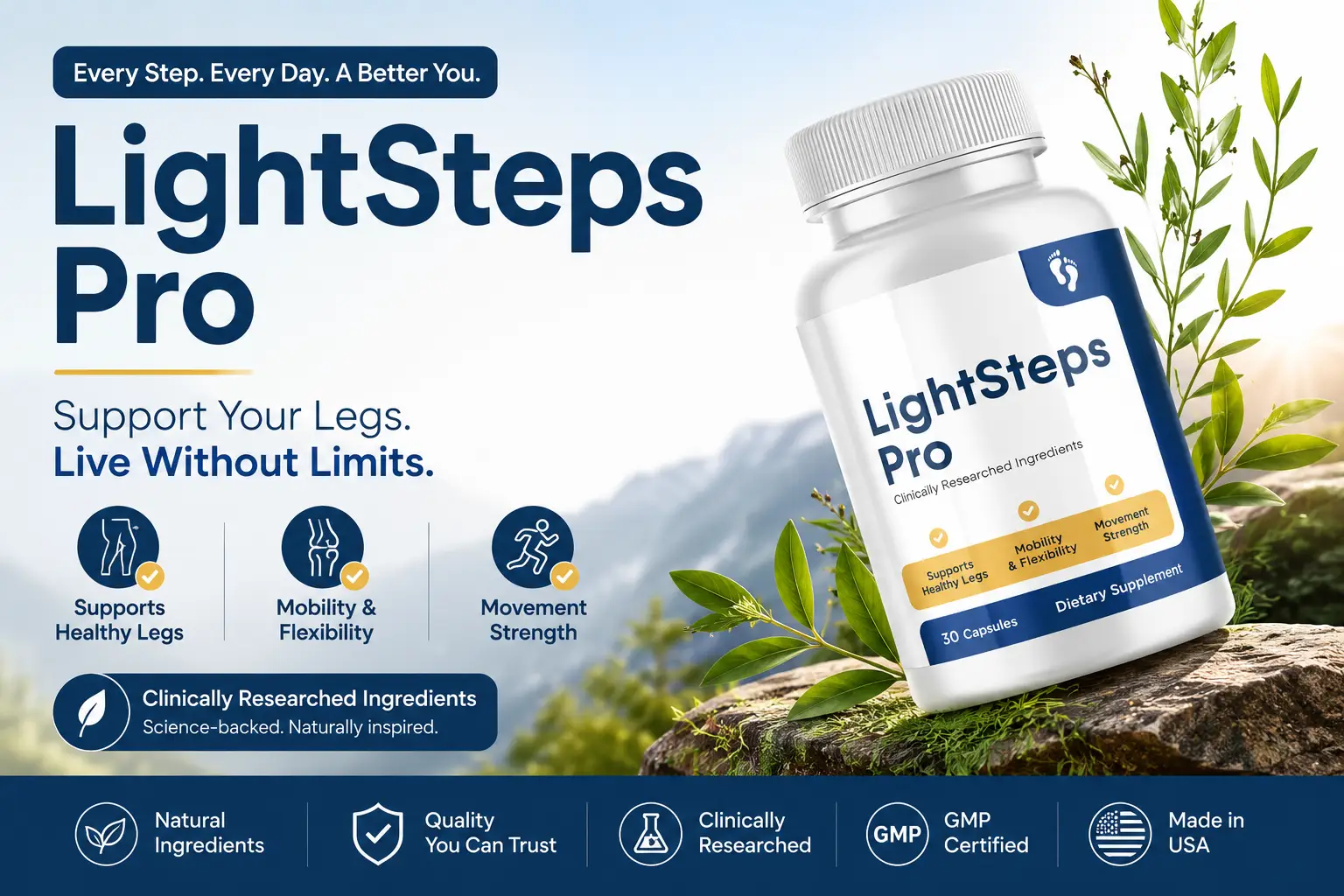
If your legs feel heavy, puffy, or tired by the end of the day, you’ve probably searched for something that helps — and you’ve probably run into LightSteps Pro, a supplement marketed toward people dealing with leg swelling, fluid retention, and reduced mobility. Before you buy anything, it’s worth understanding what’s actually in a product like this, what the ingredients are genuinely backed by research to do, and what claims deserve a skeptical eye. Here’s an honest, ingredient-by-ingredient look.
LightSteps Pro | Quick Overview
Product Name: LightSteps Pro Formula: Plant-based extract blend, stimulant-free Marketed Purpose: Supports fluid balance, circulation, and leg comfort Usage: 1 capsule daily with water Reported Side Effects: None confirmed in independent studies of this specific product; individual ingredients can interact with medications (see below) Price: Starts around $158 for a 2-bottle bundle, with larger multi-bottle packages available Guarantee: 60-day money-back guarantee (per the company’s stated policy — always confirm current terms on the official site before buying)
What Is LightSteps Pro?
LightSteps Pro is marketed as a formula for people who experience swollen legs, water retention, and the heaviness that comes with fluid buildup in the lower body. The pitch is that it helps the body “restore balance” so that excess fluid drains more effectively, supporting lighter, more mobile legs.
Before diving into ingredients, it’s worth pausing on something important: leg swelling has a lot of possible causes. Some are benign — standing for long periods, hot weather, hormonal fluctuations, a high-sodium meal, or simply getting older and having less efficient venous return. Others are not benign at all — heart failure, kidney disease, liver disease, chronic venous insufficiency, blood clots (deep vein thrombosis), certain medications, and lymphatic conditions can all cause leg swelling. If your swelling is new, sudden, one-sided, painful, or comes with shortness of breath, that’s a reason to see a doctor promptly, not to reach for a supplement. If it’s the more common, chronic, both-legs-by-the-end-of-the-day kind, a supplement that supports circulation and fluid balance may be a reasonable thing to try alongside — not instead of — the basics: movement, hydration, compression, and reducing excess sodium.
The Marketing Claim About “AVP” — A Reality Check
LightSteps Pro’s marketing invokes a hormone called AVP (arginine vasopressin, sometimes nicknamed the “antidiuretic hormone”) as the central mechanism behind leg swelling, framing the supplement as something that “rebalances” it. It’s true that vasopressin plays a genuine role in how your kidneys regulate water retention — that part is real physiology. But it’s a significant oversimplification to present it as the cause of everyday leg swelling, and there’s no strong clinical evidence that a supplement like this meaningfully shifts AVP levels in a way that resolves swelling. Treat this part of the marketing as a simplified story rather than an established mechanism, and don’t let it substitute for finding out the actual cause of your symptoms if they’re persistent.
LightSteps Pro Ingredients: What the Research Actually Shows
Here’s what’s reportedly in the proprietary 500mg blend, along with a realistic look at the evidence for each:
Pineapple Powder (Ananas comosus). Pineapple contains bromelain, an enzyme with some research behind reducing inflammation and swelling, particularly post-surgical or exercise-related swelling. Evidence specifically for daily fluid retention in the legs is thinner, and the marketing claim that it “flushes excess water” via detoxification isn’t a real physiological process — your kidneys and liver already do that job, and no supplement “detoxifies” them in a meaningful additional way.
Asparagus racemosus Extract (Shatavari Root). This is a traditional Ayurvedic herb, most researched for hormonal support in women (particularly reproductive and lactation contexts) rather than for direct fluid balance or swelling reduction. It’s not well-established in clinical research as a leg-swelling remedy specifically.
L-Citrulline DL-Malate. This is the most evidence-backed ingredient in the blend. L-citrulline is a nitric oxide precursor, and there’s genuinely solid research here — including a randomized, placebo-controlled trial specifically in hypertensive postmenopausal women, which found that four weeks of L-citrulline supplementation improved arterial blood flow, muscle oxygenation, and vascular function during exercise compared to placebo, alongside reductions in blood pressure. A related trial in the same population found L-citrulline improved endothelial function (flow-mediated dilation) and modestly reduced resting blood pressure over four weeks. This gives a reasonable, if still limited, basis for a genuine circulation benefit — though most citrulline research centers on exercise performance and blood pressure rather than leg swelling specifically.
Black Cumin Seed Extract (Nigella sativa). This has a real body of antioxidant and anti-inflammatory research, mostly around metabolic markers and blood pressure, but direct evidence for leg swelling or fluid retention is limited.
Beet Root Extract (Beta vulgaris). Beetroot’s nitrate content is one of the better-studied compounds for circulation. Research in older adults has found that nitrate-rich beetroot juice increased plasma nitrite and reduced blood pressure, with older adults showing a larger blood-pressure response than younger adults in at least one trial. A separate study in healthy older men found that dietary nitrate improved flow-mediated dilation specifically in the leg’s femoral artery — a genuinely relevant finding for leg circulation. That said, most of this research uses beetroot juice at doses higher than what a small amount of extract in a proprietary blend is likely to provide, so it’s reasonable to expect a modest effect at best from this formula’s dose.
Hibiscus sabdariffa Flower Extract. Hibiscus has a decent research base for supporting healthy blood pressure — several randomized controlled trials, including ones comparing it to blood-pressure medication, found meaningful reductions in blood pressure over weeks of use. It also has documented mild diuretic activity in review literature. This is a plausible contributor to the “fluid balance” claim, though again, proprietary-blend dosing makes it hard to know if the amount included matches research-backed doses.
Bottom line on ingredients: L-citrulline, beetroot, and hibiscus have the most legitimate research behind circulation and blood-pressure-related benefits — plausible mechanisms for supporting healthy leg blood flow. Pineapple, shatavari, and black cumin have weaker or more indirect evidence specifically for leg swelling. Because this is a proprietary blend, the label doesn’t disclose how much of each ingredient is actually included, which makes it impossible to know whether any of them are dosed at levels shown effective in the studies above.
Reported Benefits (As Marketed)
- Reduced leg swelling and heaviness
- Support for fluid balance and circulation
- Improved mobility and flexibility
- Enhanced leg strength during movement
These are the manufacturer’s stated goals for the product. Based on the ingredient research above, a circulation-support effect is plausible; a dramatic swelling-reduction effect is a bigger claim than the current evidence for this specific formula supports.
Pros and Cons
Potential Pros
- Contains several ingredients (L-citrulline, beetroot, hibiscus) with real, if modest, research support for circulation and blood pressure
- Stimulant-free formula
- Simple once-daily dosing
- Manufacturer states GMP-certified manufacturing
- Money-back guarantee offered (verify current terms directly)
Cons
- Proprietary blend means individual ingredient doses aren’t disclosed, so it’s unclear whether they match research-effective amounts
- No independent clinical trials on the finished LightSteps Pro product itself (as opposed to its individual ingredients) appear to be publicly available
- Relatively expensive compared to buying ingredients like citrulline or beetroot extract individually
- Marketing language (the “AVP” mechanism, “detoxification”) oversimplifies or overstates the underlying science
- Not a substitute for medical evaluation if swelling is new, severe, one-sided, or accompanied by other symptoms
How to Use It
The label directs users to take one capsule daily with a full glass of water, ideally in the morning, and to be consistent with daily use. Pairing any circulation-focused supplement with actual movement — walking, calf raises, avoiding long periods of sitting or standing still — makes physiological sense, since muscle contraction is one of the main things that helps push fluid out of the lower legs in the first place. In practice, the walking may matter more than the capsule.
Are There Side Effects?
I can’t verify a “no side effects reported” claim, because I don’t have access to independent adverse-event data on this specific product. What can be said about the individual ingredients: L-citrulline and beetroot are generally well-tolerated but can lower blood pressure, which matters if you’re already on blood-pressure medication. Hibiscus has documented mild diuretic and blood-pressure-lowering effects, and has interacted with certain medications (including some for diabetes and blood pressure) in research settings. Anyone on blood pressure medication, diuretics, or with kidney or heart conditions should talk to a doctor before starting a supplement like this, since several of these ingredients affect the same systems that medication does.
Pricing
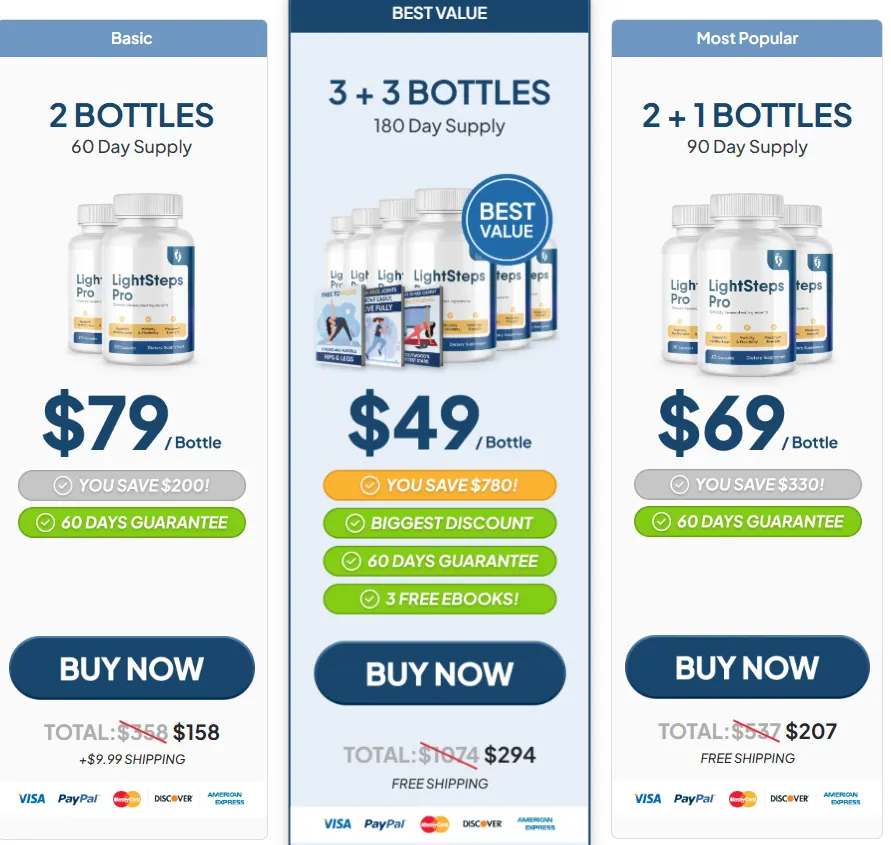
Based on the company’s stated pricing structure:
- 2 bottles (60-day supply): ~$158 + shipping
- 2+1 bottles (90-day supply): ~$207, free shipping
- 3+3 bottles (180-day supply): ~$294, free shipping
Prices and bundle bonuses change frequently with these types of direct-to-consumer supplements, so treat any listed price as a starting point and confirm current pricing on the official site before purchasing.
Where to Buy
The manufacturer states the product is sold exclusively through its official website, and cautions against third-party marketplace listings due to counterfeit risk. That’s a fairly standard practice for this category of supplement, though it’s also worth noting that “official website only” makes it harder to compare pricing or read independent reviews before buying.
Is It Worth Trying?
That depends on what you’re looking for. If you want a stimulant-free supplement built around a few ingredients (L-citrulline, beetroot, hibiscus) with genuine — though modest and mostly indirect — research behind circulation and blood pressure support, LightSteps Pro isn’t an unreasonable thing to try, especially alongside walking, hydration, and reduced sodium intake. If you’re expecting a dramatic resolution of leg swelling based on the marketing language, it’s worth tempering expectations: none of the underlying research was conducted on legs specifically in this formula, at this dose, in this population. And if your leg swelling is new, painful, one-sided, or accompanied by other symptoms, see a doctor before trying any supplement.
Frequently Asked Questions
Who might consider LightSteps Pro?
Adults dealing with ordinary, both-legs, end-of-day swelling or heaviness, as a possible complement to lifestyle changes. Not a substitute for medical evaluation of new or concerning symptoms. Pregnant or nursing individuals should consult a physician before use, as several ingredients (including hibiscus) aren’t well-studied for safety in pregnancy.
How long does it take to see results?
There’s no independent data on this specific product’s timeline. The individual ingredient research generally used 4 to 12 weeks of consistent use before measuring effects, so that’s a more realistic window than a few days.
Can I take it with other supplements or medications?
Possibly, but check with your doctor first — especially if you take blood pressure medication, diuretics, or have kidney or heart disease, given the blood-pressure-active ingredients involved.
Is it safe for seniors?
The ingredient research (particularly on L-citrulline and beetroot) actually skews toward older adult populations and shows some promising circulation results in that group. That said, older adults are also more likely to be on medications that could interact, so a doctor conversation is worthwhile before starting.
scientific sources referenced
L-Citrulline and arterial blood flow/muscle oxygenation in hypertensive postmenopausal women: NCBI PMC, 2024 L-Citrulline and endothelial function/blood pressure in hypertensive postmenopausal women: NCBI PMC, 2022 Nitrate-rich beetroot juice and blood pressure in older vs. younger adults: NCBI PMC, 2019 Dietary nitrate and flow-mediated dilation of the leg’s femoral artery in healthy older men: NCBI PMC, 2019 Hibiscus sabdariffa vs. captopril in mild-to-moderate hypertension, randomized trial: PubMed, Phytomedicine, 2004 Hibiscus sabdariffa and Lippia citriodora blend for blood pressure, randomized placebo-controlled trial: NCBI PMC, 2021 Hibiscus sabdariffa comprehensive safety/efficacy review for cardiovascular risk factors: NCBI PMC, 2013
This article is for general informational purposes only and does not constitute medical advice, nor a claim that homehealthyremedy.com or LightSteps Pro can diagnose, treat, cure, or prevent any disease. Persistent, severe, sudden, or one-sided leg swelling can be a sign of a serious medical condition and should be evaluated by a healthcare provider. Consult your doctor before starting any new supplement, particularly if you take medication or have an existing health condition. For more wellness resources, visit homehealthyremedy.com.

Natural home remedies, skincare secrets, dental & eye health tips, and real product reviews to help you stay healthy the natural way.