

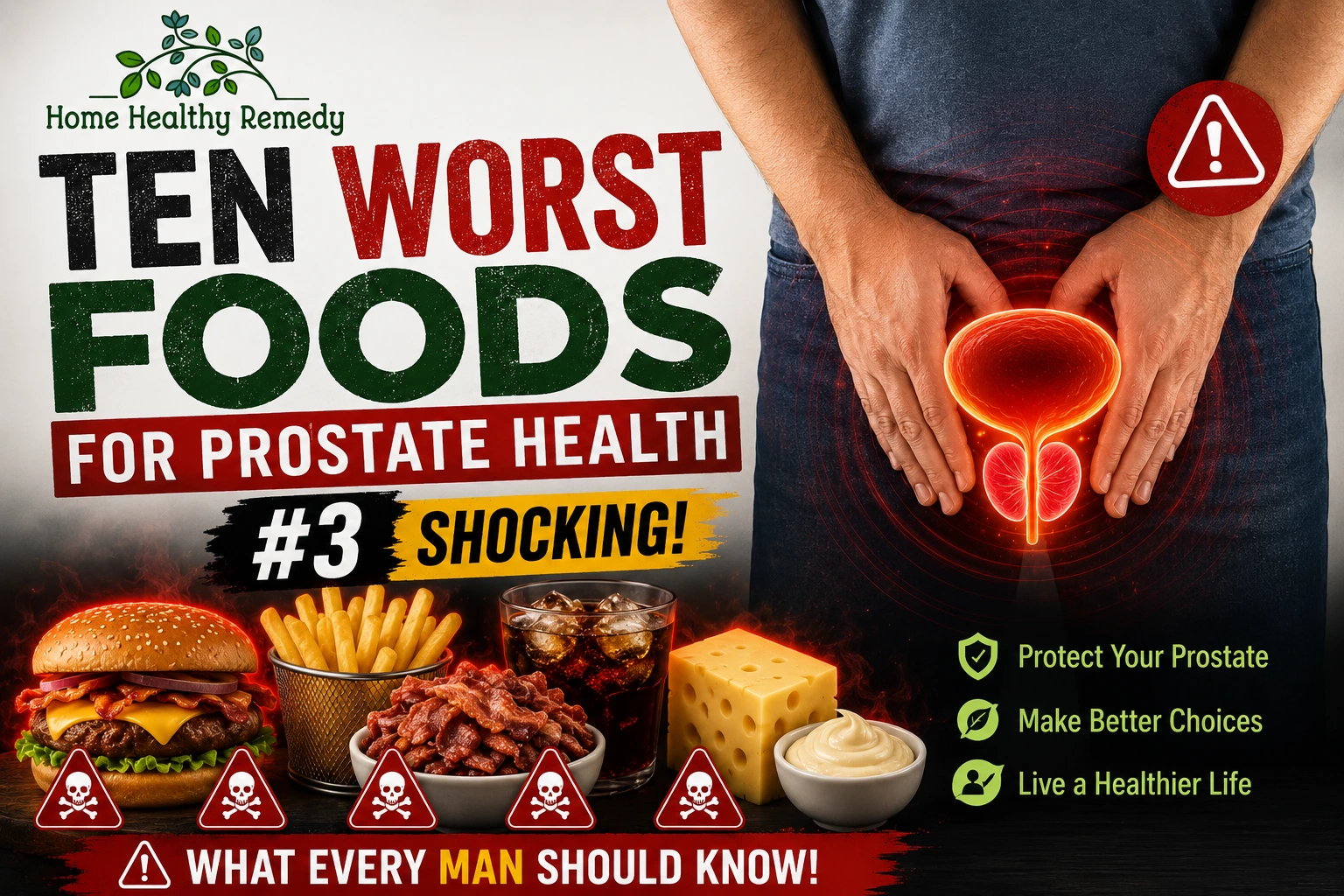
Introduction: Why Your Diet Is Destroying Your Prostate (And You Don’t Even Know It)
Every single day, millions of American men sit down to meals that are silently damaging one of the most important glands in their body — the prostate. Most men never think about prostate health until something goes wrong. By then, years of poor dietary choices have already taken their toll.
The connection between food and Ten Worst Foods For Prostate Health is no longer a theory. It is backed by decades of clinical research, meta-analyses, and population studies published in leading medical journals. What you eat directly influences your prostate’s size, inflammation levels, hormone sensitivity, and cancer risk.
According to the American Cancer Society, nearly 1 in 8 men will receive a prostate cancer diagnosis in their lifetime, making it the second most common cancer among American men — right behind skin cancer. Beyond cancer, Benign Prostatic Hyperplasia (BPH) — a non-cancerous prostate enlargement — affects more than 50% of men in their 60s, causing urinary urgency, weak urine stream, and disruptive nighttime bathroom trips.
The good news? Diet is the single most modifiable risk factor for prostate disease. By identifying and eliminating the ten worst foods for prostate health, you can dramatically reduce your risk, manage existing symptoms, and protect your prostate for decades to come.
This comprehensive guide covers everything — the ten worst foods for prostate health, the 10 best foods for prostate health, home remedies, natural supplements, a full Pros and Cons, FAQ, and a product recommendation at the end. Let’s get started.
What Is The Prostate & Why Does Diet Matter?
The prostate is a small, walnut-sized gland located just below the bladder in men, surrounding the urethra. Its primary function is producing seminal fluid — the liquid component of semen that nourishes and transports sperm. Despite its modest size, the prostate is extraordinarily sensitive to hormonal changes, inflammation, and nutritional status.
As men age, the prostate naturally tends to enlarge. For many men, this becomes a medical problem:
- BPH (Benign Prostatic Hyperplasia): Non-cancerous enlargement causing urinary symptoms — affects 50%+ of men by age 60 and 90%+ by age 85
- Prostatitis: Inflammation of the prostate — affects men of all ages
- Prostate Cancer: The second leading cancer killer of American men
Research published in Frontiers in Nutrition, The Journal of Urology, and reports from the National Cancer Institute consistently confirm that dietary patterns powerfully influence all three of these conditions. Specifically, diets high in inflammatory foods increase circulating pro-inflammatory cytokines, elevate IGF-1 (a growth hormone linked to cancer), disrupt testosterone-estrogen balance, and accelerate cellular oxidative damage in prostate tissue.
Understanding foods to avoid for prostate health is therefore not optional for men who want long-term health — it is essential.
The Ten Worst Foods For Prostate Health — Ranked & Explained
These are not obscure or exotic foods. They are everyday American staples consumed by millions of men daily. Here are the ten worst foods for prostate health, ranked by severity of their impact and backed by clinical research.
1 — Processed Meats (Hot Dogs, Sausages, Bacon, Deli Meats)
Processed meats sit at the very top of the ten worst foods for prostate health list — and for deeply alarming reasons. These products are manufactured through smoking, curing, salting, and chemical preservation using nitrites and nitrates. The World Health Organization has officially classified processed meats as Group 1 Carcinogens — meaning there is sufficient human evidence that they cause cancer.
Inside the body, nitrites and nitrates transform into N-nitroso compounds — potent carcinogens that have been directly linked to prostate tumor development. Processed meats are also extremely high in saturated fats, which drive systemic inflammation. And the excessive sodium content raises blood pressure, reducing healthy blood circulation to the prostate gland over time.
Common culprits: Hot dogs, salami, pepperoni, chorizo, bologna, bacon, deli ham, sausages, frankfurters.
Research Fact: Consuming just 50 additional grams of processed meat per day — approximately one hot dog — has been associated with a 4% increased risk of prostate cancer. For daily consumers, this risk compounds dramatically over years.
Smart Swap: Replace processed meats with grilled salmon, baked turkey breast, legumes, or plant-based proteins. These are among the best foods that support prostate health and can be just as satisfying.
2 — Red Meat Cooked At High Temperatures (Grilled, Charred, Barbecued)
Red meat — including beef, pork, lamb, veal, and mutton — poses a particular threat to prostate health when cooked at high temperatures. The primary danger comes from two groups of toxic compounds produced during high-heat cooking:
- Heterocyclic Amines (HCAs): Form when muscle proteins react to extreme heat
- Polycyclic Aromatic Hydrocarbons (PAHs): Produced when fat drips onto flames and smoke penetrates the meat
Both HCAs and PAHs are classified as mutagens — substances capable of damaging DNA and triggering abnormal cellular growth. Human studies have linked heavy consumption of charred or grilled red meat to significantly elevated rates of aggressive prostate cancer.
A systematic review published in Frontiers in Nutrition confirmed a direct association between increased red meat consumption and prostate cancer risk. This makes red meat one of the most critical foods to avoid for prostate health — particularly when grilled, charred, or barbecued.
Research Fact: A 2022 study found red and processed meat consumption shows a positive association with prostate cancer risk. Men consuming the most grilled red meat had the highest rates of high-grade prostate cancer.
Smart Swap: Replace red meat 3–4 days per week with fatty fish (salmon, mackerel, sardines), legumes, or lentils — all of which are powerful foods that promote prostate health.
3 — Full-Fat Dairy Products THE SHOCKER
This is the entry that surprises most men — and it earns the #3 spot on the ten worst foods for prostate health list because of how widely consumed and completely misunderstood it is. Full-fat dairy products — including whole milk, cream, butter, aged cheese, and ice cream — have been associated with elevated prostate cancer risk across multiple large-scale studies.
The mechanism operates through two pathways:
Pathway 1 — IGF-1 Elevation: Dairy consumption, particularly whole milk, significantly raises circulating levels of Insulin-like Growth Factor 1 (IGF-1) — a hormone that promotes cell growth. Elevated IGF-1 is directly linked to faster growth of abnormal prostate cells and poorer prostate cancer outcomes.
Pathway 2 — Vitamin D3 Suppression: Very high calcium intake — primarily from dairy — suppresses the body’s conversion of Vitamin D to its active anti-cancer form (calcitriol). Active Vitamin D3 has known anti-proliferative properties in prostate tissue. When its levels drop, prostate cell regulation weakens.
Research Fact: Multiple independent studies have found men who consume the highest amounts of whole milk and full-fat dairy products have a measurably higher risk of developing prostate cancer — and those already diagnosed tend to have more aggressive disease progression.
This doesn’t mean eliminating all dairy. Low-fat yogurt, for example, provides probiotic benefits with less risk. But full-fat dairy in regular quantities is definitively among the worst foods for prostate health and warrants serious moderation.
Smart Swap: Replace whole milk with unsweetened almond milk or oat milk. Switch to low-fat plain yogurt for probiotic benefits. Use olive oil instead of butter.
4 — Sugary Beverages (Sodas, Energy Drinks, Sweetened Juices)
Popular sodas, store-bought fruit juices, sweetened mocktails, sports drinks, and energy drinks deliver massive doses of refined sugar with zero nutritional benefit. For men focused on prostate health foods, these beverages are among the most damaging daily habits possible.
The mechanisms of harm are multiple:
- Chronic Inflammation: Excess sugar triggers the release of pro-inflammatory cytokines that directly damage prostate tissue
- Obesity: Sugar-driven weight gain is independently associated with more aggressive prostate cancer and worse surgical outcomes
- Insulin Resistance: Promotes high circulating insulin and IGF-1 levels, creating a hormone environment that accelerates prostate cell growth
- Oxidative Stress: Sugar floods the body with damaging free radicals that attack healthy prostate cells
Research Fact: Men who regularly consume sugar-sweetened beverages show higher rates of metabolic syndrome — a cluster of conditions including high blood sugar, abdominal obesity, and elevated triglycerides — all of which directly correlate with increased BPH severity and prostate cancer risk.
Smart Swap: Drink water as your primary beverage. Green tea — one of the best foods that promote prostate health — is an excellent daily replacement for soda. Unsweetened pomegranate juice (in moderation) also provides powerful prostate-protective antioxidants.
5 — Fried Foods (French Fries, Fried Chicken, Donuts, Chips)
Fried foods represent a direct, measurable threat to prostate health — and this statistic should shock every man who eats them regularly. Fried foods are dangerous for the prostate for several overlapping reasons:
- Trans Fats: Promote powerful systemic inflammation throughout the body, including in prostate tissue
- Pro-Inflammatory Seed Oils: Most fried foods are cooked in soybean, corn, or vegetable oil — oils extremely high in omega-6 fatty acids that powerfully drive inflammation
- Acrylamide: A probable human carcinogen that forms when starchy foods (potatoes, bread) are fried at high temperatures
- Obesity Promotion: Fried foods are calorie-dense and nutritionally empty, directly contributing to obesity
Research Fact: Research has found that regular fried food consumption is linked to a 35% increase in prostate cancer risk. This is one of the most striking statistics in the entire field of prostate nutrition research.
When discussing what are the worst foods for prostate health, fried foods belong near the very top of every list. Eliminating them is one of the single highest-impact dietary changes a man can make for his prostate.
Smart Swap: Air-fry, bake, steam, or sauté in extra-virgin olive oil. These preparation methods preserve flavor while eliminating the harmful compounds produced by deep frying.
6 — Excessive Alcohol
Moderate alcohol consumption — generally defined as one drink per day — is still debated in research. But excessive and chronic alcohol use is clearly, consistently harmful to prostate health, and it earns its place firmly on the list of foods to avoid for prostate health.
Excessive alcohol harms the prostate through multiple mechanisms:
- Direct Prostate Irritation: Alcohol acts as a direct chemical irritant to prostate tissue, worsening urinary urgency and pelvic discomfort in men with BPH or prostatitis
- Hormone Disruption: Heavy drinking elevates estrogen levels while suppressing testosterone — a combination that encourages prostate tissue overgrowth
- Phytoestrogen Load: Beer contains phytoestrogens from hops, which may mimic estrogen’s effects in prostate tissue
- Nutrient Depletion: Chronic alcohol use depletes zinc and selenium — two minerals absolutely critical for healthy prostate function
Research Fact: Men who drink more than 3 alcoholic beverages daily show significantly higher rates of BPH progression and more severe lower urinary tract symptoms (LUTS) compared to non-drinkers or light drinkers.
Smart Swap: Limit alcohol to no more than 1 drink per day, ideally less. Replace evening drinks with kombucha, sparkling water with lemon, or herbal tea.
7 — High-Sodium Processed Foods (Canned Soups, Chips, Fast Food)
Americans consume far too much sodium — largely through processed snacks, canned goods, restaurant meals, and fast food. The recommended maximum is 2,300 mg per day, yet the average American consumes over 3,400 mg daily. This excess has specific consequences for prostate health.
High sodium intake raises blood pressure. Elevated blood pressure impairs healthy circulation, reducing the delivery of oxygen and anti-inflammatory nutrients to prostate tissue. Over time, this creates a low-oxygen, nutrient-starved environment in the prostate gland that accelerates cellular aging and disease development.
High-sodium diets also correlate strongly with other healthy digestion patterns — the same men eating the most processed snack foods are typically also consuming the most processed meats, refined carbohydrates, and fried foods. Together, these habits create a compounded attack on prostate health.
Smart Swap: Season food with fresh herbs, garlic, lemon juice, and spices instead of salt. Read nutrition labels and target less than 500 mg of sodium per serving for packaged products.
8 — Refined Carbohydrates & White Flour Products
White bread, white pasta, white rice, pastries, crackers, and other refined carbohydrate products cause rapid, dramatic spikes in blood sugar and insulin levels. This insulin surge promotes the production of pro-inflammatory cytokines throughout the body — including within the prostate gland.
Beyond immediate inflammation, a diet chronically high in refined carbohydrates displaces the foods that support prostate health — vegetables, whole grains, legumes, and fruits — that the prostate desperately needs. Refined carbs also directly drive obesity, insulin resistance, and chronic low-grade inflammation — three conditions that powerfully increase both BPH severity and prostate cancer risk.
Research Fact: A meta-analysis published in a leading urology journal found that a dietary pattern consistently high in inflammatory foods — including refined carbohydrates and white flour products — was significantly associated with a greater overall risk of prostate cancer.
Smart Swap: Replace white bread with whole grain bread. Switch white pasta to chickpea or lentil pasta. Choose oats, quinoa, barley, and brown rice as your primary grain sources — all classified as prostate health foods that actively benefit the gland.
9 — Excessive Eggs (High Choline Intake)
Eggs are a whole, nutritious food for most purposes — but emerging research reveals a specific concern for prostate health that deserves attention. Egg yolks are exceptionally rich in choline — a nutrient that, in high amounts, has been associated with elevated lethal prostate cancer risk in multiple observational studies.
The proposed mechanism involves choline’s role in cellular membrane synthesis. At high concentrations, choline may promote the rapid cellular proliferation that characterizes aggressive cancer.
Research Fact: One large study found men consuming 2.5 or more eggs per week had an 81% higher risk of developing a lethal form of prostate cancer compared to men eating less than half an egg per week. While this study noted confounding lifestyle factors, the finding is significant enough to warrant moderation.
The direct causal link between eggs and prostate cancer is not firmly established. Moderate consumption of 3–4 eggs per week appears reasonably safe for most men. However, for men at elevated prostate cancer risk, this is an area worth monitoring and moderating as part of a broader prostate health foods strategy.
10 — Excessive Caffeine
Caffeine consumed in moderate amounts — 1 to 2 cups of coffee per day — is generally safe and may even offer some antioxidant benefit through coffee’s polyphenol content. However, excessive caffeine consumption is a specific problem for men with prostate conditions, earning it a spot on the ten worst foods for prostate health list.
Caffeine is a bladder stimulant and mild diuretic. In men with BPH or prostatitis, this translates to:
- Increased urinary urgency and frequency
- Worsened nighttime urination (nocturia)
- Heightened bladder irritation and discomfort
- Disrupted sleep quality, which itself impairs immune function
Heavy caffeine consumption from multiple large coffees, energy drinks, or highly concentrated caffeine supplements significantly worsens quality of life for men with existing prostate conditions.
Important Note: Green tea — consumed in moderation — is actually among the best foods for prostate health and should not be avoided. Its catechin content actively protects the prostate. The concern is specifically large, concentrated doses of caffeine from energy drinks and multiple daily large-format coffees.
Quick Reference: Ten Worst Foods For Prostate Health
| Food / Category | Primary Harm | Risk Level | Healthier Swap |
| Processed Meats | Nitrites, carcinogens, inflammation | Very High | Grilled salmon, turkey breast |
| Grilled/Charred Red Meat | HCAs, PAHs, DNA damage | Very High | Baked fish, legumes |
| Full-Fat Dairy | IGF-1 elevation, Vitamin D suppression | High | Almond milk, low-fat yogurt |
| Sugary Beverages | Inflammation, obesity, insulin resistance | High | Green tea, water |
| Fried Foods | Trans fats, acrylamide, 35% cancer risk | Very High | Air-fried, baked, steamed foods |
| Excessive Alcohol | Hormone disruption, zinc depletion | High | Kombucha, sparkling water |
| High-Sodium Foods | Hypertension, poor prostate circulation | Moderate | Fresh herbs, whole foods |
| Refined Carbohydrates | Insulin spikes, systemic inflammation | High | Quinoa, oats, brown rice |
| Excessive Eggs | High choline, cancer association | Moderate | Max 3–4 eggs/week |
| Excessive Caffeine | Bladder irritation, urinary worsening | Moderate | Limit to 1–2 cups/day |
Pros & Cons: Common Prostate Diet Approaches
| Diet Approach | Pros | Cons | Prostate Verdict |
| Mediterranean Diet | Anti-inflammatory, rich in omega-3s, vegetables, olive oil, legumes. Strongly reduces prostate cancer risk. | Can require meal planning; moderately expensive. | Highly Recommended |
| Plant-Based / Vegan Diet | Eliminates red meat and dairy risk factors. High in antioxidants, fiber, and phytoestrogens. | Risk of B12, zinc, and omega-3 deficiency without supplementation. | Excellent With Supplements |
| Standard American Diet (SAD) | Convenient and widely available. | Loaded with the ten worst foods for prostate health — processed meats, fried foods, refined sugars, full-fat dairy. Major inflammation driver. | Not Recommended |
| Ketogenic Diet | Reduces blood sugar spikes; may limit cancer cell glucose. | Often high in red meat and dairy. Long-term prostate effects unclear. | Use With Caution |
| Low-Fat Diet | Reduces saturated fat and dairy. May lower PSA and slow BPH progression. | Can be deficient in healthy omega-3s. I may feel unsatisfied. | Good For BPH Management |
| MEAL Diet (Vegetables, Legumes, Whole Grains) | Evidence-backed by clinical prostate cancer research. Directly built around foods that promote prostate health. | Requires significant dietary shift for most men. | Gold Standard For Prevention |
Eat vs. Avoid Guide — Prostate Health Foods At A Glance
| Category | EAT MORE | AVOID |
| Proteins | Salmon, sardines, legumes, lentils, chickpeas, tofu | Processed meats, grilled red meat, excessive eggs |
| Vegetables | Broccoli, kale, cauliflower, Brussels sprouts, tomatoes, garlic | Deep-fried vegetables, canned vegetables in excess sodium |
| Fats | Olive oil, avocado, walnuts, flaxseed, pumpkin seeds | Trans fats, seed oils, butter, cream |
| Beverages | Green tea, water, pomegranate juice (unsweetened) | Soda, energy drinks, excessive alcohol, excessive coffee |
| Grains | Oats, quinoa, brown rice, barley, whole grain bread | White bread, white pasta, pastries, donuts |
| Dairy | Low-fat yogurt (probiotics), almond milk, oat milk | Whole milk, cream, ice cream, aged cheese in excess |
10 Best Foods For Prostate Health
Now that the ten worst foods for prostate health are clear, here are the 10 best foods for prostate health — the dietary champions that actively protect, repair, and strengthen your prostate:
| Food | Key Nutrient | Prostate Benefit |
| Tomatoes & Tomato Sauce | Lycopene | Antioxidant that neutralizes free radicals in prostate cells; associated with lower PSA levels |
| Broccoli & Cruciferous Vegetables | Sulforaphane, Glucosinolates | Eating broccoli 1+ times/week may cut Stage III/IV prostate cancer risk by up to 45% |
| Fatty Fish (Salmon, Sardines, Mackerel) | Omega-3 Fatty Acids | Reduces prostate inflammation; associated with lower risk of aggressive prostate cancer |
| Pumpkin Seeds & Nuts | Zinc, Magnesium | Zinc is essential for prostate function; the prostate contains the highest zinc concentration of any organ |
| Green Tea | Catechins (EGCG) | Strengthens immune system, repairs cell damage, and has been studied for prostate cancer inhibition |
| Berries (Blueberries, Strawberries, Raspberries) | Anthocyanins, Vitamin C | Vitamin C may reduce BPH risk; antioxidants protect prostate cells from free radical damage |
| Legumes (Beans, Lentils, Chickpeas, Soy) | Phytoestrogens, Fiber | Phytoestrogens may inhibit prostate tumor growth; fiber reduces inflammation and supports healthy weight |
| Garlic & Onions | Allicin, Quercetin | Anti-inflammatory and antimicrobial; population studies associate regular garlic consumption with lower prostate cancer rates |
| Pomegranate Juice | Punicalagins, Ellagic Acid | Strong antioxidant effect; some research shows slowing of PSA doubling time in prostate cancer patients |
| Whole Grains (Oats, Quinoa, Brown Rice) | Fiber, B Vitamins, Selenium | Reduce inflammation, support healthy weight, and provide selenium — critical for prostate cell protection |
Home Remedies & Prostate Cancer Prevention Tips
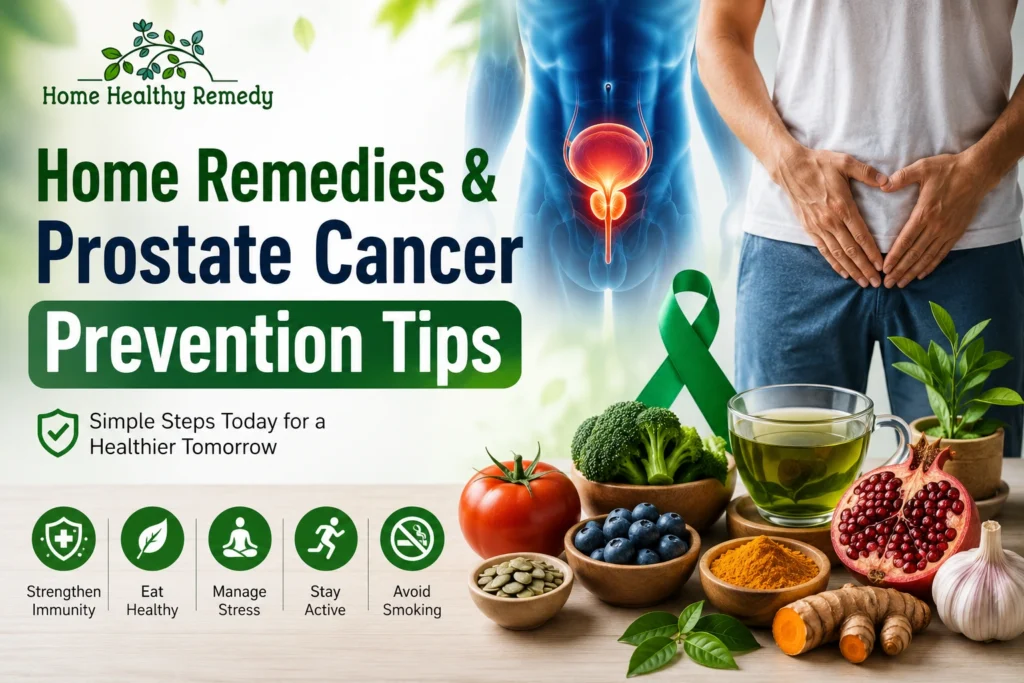
Beyond knowing which foods to avoid for prostate health and which foods that support prostate health to prioritize, several evidence-based home remedies and lifestyle practices meaningfully reduce your prostate risk and manage existing symptoms.
1. Regular Physical Exercise
Exercise is one of the most powerful home remedies for prostate protection available to any man. The U.S. Department of Health and Human Services recommends 150 minutes of moderate aerobic activity per week. Regular exercise reduces obesity risk, lowers PSA levels, decreases systemic inflammation, and improves blood flow to the prostate gland. Walking, swimming, cycling, and resistance training are all excellent choices. Not only does exercise lower your prostate cancer risk, but it benefits every system in the body simultaneously.
2. Green Tea Daily Routine
Drinking 2–3 cups of green tea daily provides a steady supply of catechins — potent antioxidants that have been linked to reduced prostate cancer risk in multiple large-scale studies, particularly from Asian populations with historically low prostate cancer rates. Green tea is among the simplest, most enjoyable home remedies men can adopt for long-term prostate wellness.
3. Stress Reduction & Quality Sleep
Chronic stress elevates cortisol and directly promotes systemic inflammation — one of the primary drivers of prostate disease. Mindfulness meditation, yoga, deep breathing exercises, and 7–9 hours of quality sleep per night are all critical prostate health tips that most men completely overlook. Managing stress reduces inflammatory cytokine production throughout the body, including in prostate tissue.
4. Anti-Inflammatory Meal Protocol
Building every meal around foods that support prostate health — tomatoes, cruciferous vegetables, berries, fatty fish, olive oil, and whole grains — creates a powerful anti-inflammatory nutritional environment that protects prostate cells every single day. This is one of the most accessible and sustainable home remedies for long-term prostate cancer risk reduction.
5. Quit Smoking
Smoking is a confirmed risk factor for more aggressive prostate cancer. Men who smoke have not only higher rates of prostate cancer diagnosis but significantly worse treatment outcomes. Quitting smoking is non-negotiable as part of any serious prostate protection strategy.
6. Optimal Hydration
Drinking at least 64 ounces (8 glasses) of water daily supports kidney and urinary tract health, both intimately connected to prostate function. Proper hydration dilutes urine, reduces bladder irritation, and helps manage BPH symptoms. Replacing sugary beverages with water is one of the simplest, highest-impact prostate health tips available — and it costs nothing.
7. Vitamin D Optimization
Low Vitamin D levels are strongly and consistently associated with increased prostate cancer risk across multiple studies. Regular sun exposure (15–20 minutes daily when possible) and strategic Vitamin D3 supplementation helps maintain optimal serum levels. This is particularly important for men in northern states or those who work primarily indoors — and represents one of the most underrated natural supplements for prostate health.
Natural Supplements For Prostate Health
Alongside a diet focused on prostate health foods and the elimination of the ten worst foods for prostate health, these research-validated natural supplements have been studied for their ability to support prostate function, reduce inflammation, and protect against cellular damage:
| Supplement | Key Benefits | Notes |
| Saw Palmetto | Reduces DHT activity; widely studied for BPH symptom relief — improved urinary flow, reduced nighttime urination | Most researched natural supplement for the prostate |
| Pygeum (African Cherry Bark) | Reduces prostate inflammation; improves urinary symptoms; decreases abnormal prostate secretions | Used in European medicine for decades |
| Lycopene | Antioxidant associated with lower PSA and reduced cancer risk | Better absorbed from cooked tomatoes with olive oil |
| Zinc | Essential for prostate function; low zinc is linked to prostate cancer | Optimal dose: 15–30 mg/day; avoid mega-dosing |
| Selenium | Antioxidant mineral; may reduce cancer cell proliferation | Also found naturally in Brazil nuts and tuna |
| Beta-Sitosterol | Plant sterol that reduces BPH urinary symptoms; improves urine flow rate | Naturally found in pumpkin seeds |
| Stinging Nettle Root | Reduces BPH symptoms; anti-inflammatory; synergistic with saw palmetto | Works best when combined with saw palmetto extract |
| Vitamin D3 | Regulates cell growth; low levels strongly linked to prostate cancer risk | Get blood levels tested to determine optimal dose |
| Turmeric / Curcumin | Potent anti-inflammatory; lab studies show potential inhibition of prostate cancer cells | Combine with black pepper to enhance absorption by 2,000% |
| Pumpkin Seed Oil | Contains zinc, phytosterols, and fatty acids; supports bladder function and reduces BPH symptoms | Excellent for salad dressing |
The most effective approach to natural supplements for prostate health is not taking individual ingredients in isolation but using a comprehensive, synergistic formula that combines the most validated ingredients at clinically relevant doses.
5 Top Trusted Resources For Prostate Health
When researching prostate health foods, ten worst foods for prostate health, or prostate disease prevention, always rely on credible, evidence-based sources:
1. National Cancer Institute (NCI) — cancer.gov The gold standard for cancer-related dietary guidance. Comprehensive research on prostate cancer nutrition, supplements, and clinical trial data updated regularly.
2. Urology Care Foundation — urologyhealth.org Official patient education resource of the American Urological Association. Detailed, physician-reviewed guides on what to eat and what are the worst foods for prostate health.
3. Moffitt Cancer Center — moffitt.org Leading cancer research and treatment center with dedicated resources on the MEAL diet, prostate cancer nutrition evidence base, and survivorship dietary guidance.
4. Harvard Health Publishing — health.harvard.edu Evidence-based health guidance from Harvard Medical School, including research articles on prostate health, PSA management, and dietary risk reduction strategies.
5. American Cancer Society — cancer.org Comprehensive prostate cancer statistics, updated risk factor analysis, dietary guidelines, and survivorship resources reviewed annually by oncology experts.
Pros & Cons: Knowing The Ten Worst Foods For Prostate Health
| Aspect | Pros of This Knowledge | Cons / Challenges |
| Dietary Awareness | Empowers men to make informed food choices daily | Requires reading labels and rethinking meal habits |
| Risk Reduction | Can meaningfully lower prostate cancer and BPH risk | Not a guaranteed prevention — genetics also play a role |
| Symptom Management | Eliminating these foods often reduces urinary BPH symptoms within weeks | Results vary by individual; severe cases need medical treatment |
| Cost | Whole foods (vegetables, legumes, fish) can be affordable | Some healthy foods (wild salmon, organic produce) cost more than processed alternatives |
| Social Impact | Better long-term health, energy, and quality of life | Social eating becomes more challenging (BBQs, fast food outings) |
| Accessibility | Information is freely available and actionable immediately | Requires consistent behavioral change, which is difficult for many |
Frequently Asked Questions (FAQ)
Q1. What are the ten worst foods for prostate health?
The ten worst foods for prostate health are processed meats, grilled and charred red meat, full-fat dairy products, sugary beverages, fried foods, excessive alcohol, high-sodium processed foods, refined carbohydrates, excessive eggs, and excessive caffeine. Every man should be aware of these ten worst foods for prostate health because they collectively promote chronic inflammation, dangerous hormonal imbalance, oxidative stress, and direct cellular damage inside the prostate gland — all of which significantly increase the risk of both BPH and prostate cancer. Avoiding the ten worst foods for prostate health is the single most impactful dietary decision a man can make for his long-term prostate protection.
Q2. What are the 10 best foods for prostate health?
While the ten worst foods for prostate health are well-documented, it is equally important to know what to eat more of. The 10 best foods for prostate health are tomatoes (rich in lycopene), broccoli and cruciferous vegetables (sulforaphane), fatty fish like salmon and sardines (omega-3 fatty acids), pumpkin seeds (zinc), green tea (catechins and EGCG), mixed berries (antioxidants and Vitamin C),
legumes and beans (phytoestrogens and fiber), garlic and onions (allicin), pomegranate juice (punicalagins), and whole grains like oats and quinoa (selenium and fiber).Think of these as the direct antidotes to the ten worst foods for prostate health — every time you choose one of these foods over a harmful one, you are actively protecting your prostate at the cellular level.
Q3. What is good for prostate health naturally?
Naturally supporting your prostate begins with eliminating the ten worst foods for prostate health from your daily diet and replacing them with whole, anti-inflammatory foods. Beyond diet, what is good for prostate health naturally includes regular physical exercise (at least 150 minutes per week), drinking 2–3 cups of green tea daily, optimizing Vitamin D levels through sunlight and supplementation, practicing stress reduction through meditation and quality sleep,
Staying well hydrated with water instead of sugary beverages, quitting smoking, and using proven natural supplements for prostate health such as saw palmetto, pygeum bark, zinc, lycopene, and beta-sitosterol. Men who consistently avoid the ten worst foods for prostate health and follow these natural strategies enjoy significantly better prostate health outcomes as they age.
Q4. Can diet alone prevent prostate cancer?
Diet alone cannot guarantee prostate cancer prevention — genetics, age, and ethnicity also play important roles. However, research consistently and clearly shows that men who actively avoid the ten worst foods for prostate health and replace them with prostate-protective whole foods have significantly lower rates of prostate cancer diagnosis and slower disease progression when cancer does occur. The ten worst foods for prostate health — particularly processed meats, fried foods, and full-fat dairy — are among the most modifiable risk factors available to every man. Combined with regular PSA screening and medical check-ups, avoiding the ten worst foods for prostate health is the most powerful evidence-based dietary strategy for long-term prostate cancer risk reduction.
Q5. Is full-fat dairy really bad for the prostate?
Yes — full-fat dairy is firmly included in the ten worst foods for prostate health for scientifically sound reasons. Full-fat dairy products such as whole milk, cream, butter, ice cream, and aged cheeses elevate circulating IGF-1 (Insulin-like Growth Factor 1) — a hormone that promotes abnormal prostate cell growth. They also suppress the body’s production of active Vitamin D3, which normally serves as a natural brake on prostate cell proliferation.
Multiple large-scale studies have confirmed that men who consume the most full-fat dairy have higher prostate cancer risk and more aggressive disease outcomes. This is why full-fat dairy consistently ranks among the ten worst foods for prostate health across virtually every reputable research review. Switching to almond milk, oat milk, or low-fat plain yogurt is a simple, practical step toward better prostate protection.
Q6. What foods to avoid for prostate health most urgently?
If you are only able to make a few immediate changes, focus first on eliminating the three highest-risk items from the ten worst foods for prostate health list. First, cut out processed meats — hot dogs, bacon, sausages, and deli meats — which the World Health Organization classifies as Group 1 carcinogens. Second, stop eating fried foods regularly, as research links them to a 35% increase in prostate cancer risk.
Third, eliminate sugary beverages like sodas and energy drinks, which drive obesity and systemic inflammation that directly worsen prostate health. These three items from the ten worst foods for prostate health do the most cumulative damage to the prostate gland and should be your first priority for elimination. Making these three changes alone — before any other dietary shift — can meaningfully reduce your prostate cancer risk and improve BPH symptoms within weeks.
Q7. What natural supplements for prostate health work best?
The most evidence-backed natural supplements for prostate health are those that directly counteract the damage done by the ten worst foods for prostate health — particularly supplements that reduce inflammation, support hormone balance, and protect prostate cells from oxidative damage. The top performers include saw palmetto (reduces DHT and BPH symptoms), pygeum bark (reduces prostate inflammation and urinary urgency), lycopene (antioxidant protection shown to lower PSA levels),
Zinc (essential mineral depleted by alcohol — one of the ten worst foods for prostate health), beta-sitosterol (improves urinary flow), Vitamin D3 (regulates cell growth and reduces cancer risk), and stinging nettle root (anti-inflammatory BPH support). Using a comprehensive formula like Prosta Peak that combines all of these ingredients at clinically relevant doses is far more effective than taking individual supplements piecemeal — especially when paired with a diet free from the ten worst foods for prostate health.
Q8. Is green tea good for prostate health?
Green tea is one of the very best beverages a man can drink for prostate health — and it stands in direct contrast to many of the ten worst foods for prostate health, particularly sugary beverages and excessive caffeine-laden energy drinks. Green tea contains powerful antioxidant compounds called catechins — especially EGCG (epigallocatechin gallate) — which have been studied extensively for their ability to inhibit prostate cancer cell growth, reduce chronic prostate inflammation, and strengthen immune defense in prostate tissue.
While sugary sodas and energy drinks (both among the ten worst foods for prostate health) drive inflammation and oxidative stress in the prostate, green tea actively reverses these processes. Drinking 2–3 cups of green tea daily is one of the simplest, most enjoyable, and most evidence-backed prostate health tips any man can adopt immediately — at minimal cost and with wide-ranging health benefits beyond just the prostate.
Q9. At what age should men start worrying about prostate health?
Men should ideally begin avoiding the ten worst foods for prostate health and adopting prostate-protective dietary habits in their 30s — well before any symptoms develop. Prostate cancer and BPH develop slowly over years and decades, meaning the dietary damage done by the ten worst foods for prostate health in your 30s and 40s directly shapes your prostate health outcomes in your 60s and 70s. Think of it as a cumulative account — every year of eating processed meats, fried foods, full-fat dairy, and refined carbohydrates (all among the ten worst foods for prostate health) makes a deposit into a disease risk account that eventually comes due.
PSA screening discussions with a physician are typically recommended starting at age 50, or at age 40–45 for men with a family history of prostate cancer or men of African-American descent who face statistically higher risk. The earlier you eliminate the ten worst foods for prostate health and adopt a prostate-supportive diet, the greater your long-term protection.
Q10. Does alcohol affect the prostate?
Excessive alcohol is firmly established as one of the ten worst foods for prostate health — and its mechanisms of harm are numerous and well-documented. Heavy drinking directly irritates and inflames the prostate gland, worsening urinary urgency, frequency, and pelvic discomfort in men with BPH or prostatitis. Alcohol also disrupts the testosterone-estrogen hormonal balance by elevating estrogen levels while suppressing testosterone — a combination that actively promotes prostate tissue overgrowth.
Beer in particular contains phytoestrogens from hops that may further mimic estrogen’s effects on prostate tissue. Additionally, chronic alcohol consumption depletes zinc and selenium — two minerals that are absolutely critical for normal prostate cell function and defense. Since alcohol ranks among the ten worst foods for prostate health, limiting intake to no more than one drink per day — and ideally less — is a strong, evidence-backed prostate health recommendation for all men over 40. Replacing alcohol with kombucha, sparkling water, or herbal tea removes one of the ten worst foods for prostate health from your daily routine immediately.
Conclusion: Your Prostate Health Action Plan Starts Today
Your Ten Worst Foods For Prostate Health is largely within your control — and it begins at every meal. By understanding and eliminating the ten worst foods for prostate health from your diet, you cut off the primary dietary drivers of inflammation, hormonal imbalance, and cellular damage that lead to BPH and prostate cancer.
By simultaneously replacing those harmful foods with the 10 best foods for prostate health — tomatoes, broccoli, fatty fish, green tea, berries, legumes, pumpkin seeds, whole grains, garlic, and pomegranate benefits — you provide your prostate gland with the nutrients, antioxidants, and anti-inflammatory compounds it needs to function optimally for life.
Add proven natural supplements for Ten Worst Foods For Prostate Health, strategic home remedies like daily exercise, stress level management, and proper hydration, and you have a complete, actionable system for lifelong prostate protection.
The foods that support Ten Worst Foods For Prostate Health are not complicated or expensive. They are whole, natural foods available at every grocery store across America. The foods to avoid for Ten Worst Foods For Prostate Health are equally identifiable. The knowledge is now yours.
Start today. Your Ten Worst Foods For Prostate Health depends on the choices you make at every meal.
Prosta Peak — Support Your Prostate Health Naturally
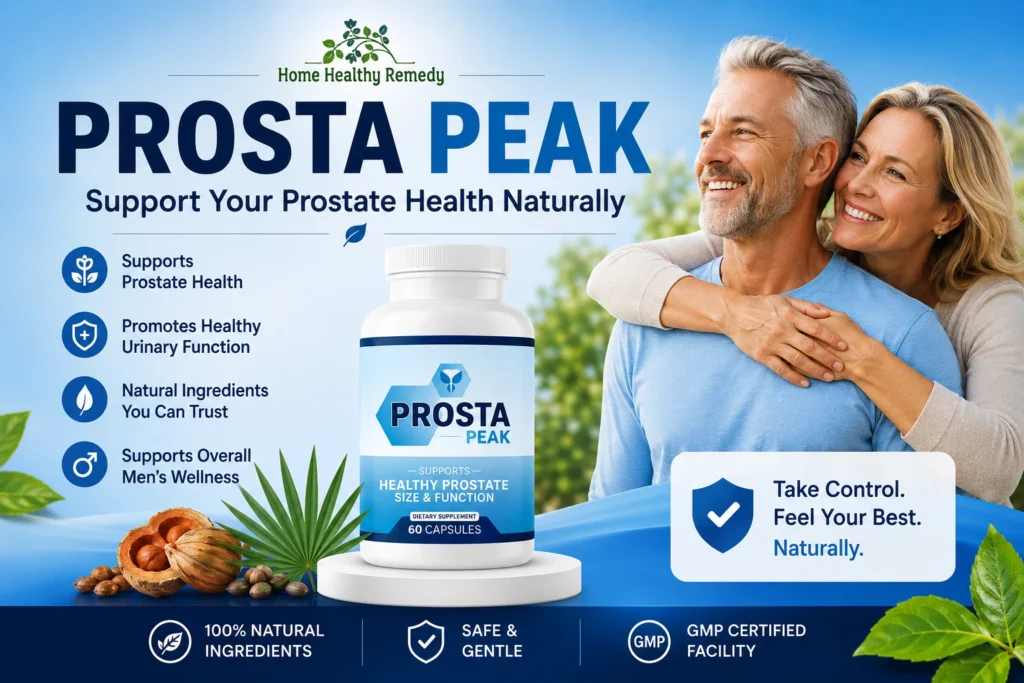
Avoiding the ten worst foods for prostate health is critical — but even the most disciplined diet can leave nutritional gaps. That’s where Prosta Peak Prostate Health Supplement comes in.
Prosta Peak is a comprehensive, daily prostate support formula specifically designed for men who want real, natural prostate protection. Here’s what makes Prosta Peak different:
What’s Inside Prosta Peak:
- Saw Palmetto Extract — reduces DHT and relieves BPH symptoms
- Pygeum Bark — reduces inflammation and urinary urgency
- Lycopene — powerful antioxidant protection for prostate cells
- Zinc & Selenium — essential minerals for daily prostate function
- Beta-Sitosterol — naturally improves urinary flow
- Vitamin D3 — cell growth regulation and cancer risk reduction
- Stinging Nettle Root — anti-inflammatory BPH support
- Pumpkin Seed Oil — bladder and urinary health support
What Is Prosta Peak?
Prosta Peak is a premium, all-natural prostate health supplement specially formulated for men who want to protect, strengthen, and support their prostate gland — naturally and effectively. Whether you are dealing with frequent nighttime urination, weak urine flow, pelvic discomfort, or simply want to take proactive control of your prostate health before problems arise, Prosta Peak delivers a powerful blend of clinically studied ingredients in one convenient daily capsule.
Manufactured in the USA in an FDA-registered, GMP-certified facility, Prosta Peak uses only clean, natural, research-backed ingredients — zero harmful fillers, zero artificial additives, zero compromise.
Key Benefits of Prosta Peak
| Benefit | What It Means For You |
| Reduces Urinary Urgency | Fewer emergency bathroom runs during the day |
| Fewer Nighttime Bathroom Trips | Sleep through the night without interruption |
| Stronger Urine Flow | Improved bladder emptying and stream strength |
| Reduces Prostate Inflammation | Calms swollen, irritated prostate tissue naturally |
| Lowers DHT Levels | Blocks the hormone that causes prostate enlargement |
| Antioxidant Cell Protection | Shields prostate cells from free radical damage |
| Supports Hormone Balance | Keeps testosterone-estrogen ratio healthy |
| Boosts Zinc & Selenium Levels | Replenishes minerals critical for prostate function |
| Supports Sexual Health | Healthy prostate = better sexual function & confidence |
| Overall Men’s Wellness | Benefits energy, immunity, and urinary tract health |
Prosta Peak Ingredients
| Ingredient | Dosage | Proven Benefit |
| Saw Palmetto Extract | 320 mg | Blocks DHT — the hormone responsible for prostate enlargement. Most clinically studied natural ingredient for BPH relief. Reduces urinary frequency and improves flow. |
| Pygeum Africanum Bark | 100 mg | Reduces prostate inflammation. Decreases abnormal prostate secretions. Clinically used in European medicine for decades for BPH symptom relief. |
| Lycopene | 15 mg | Powerful carotenoid antioxidant from tomatoes. Neutralizes free radicals in prostate tissue. Associated with lower PSA levels and reduced prostate cancer risk in multiple studies. |
| Beta-Sitosterol | 200 mg | Plant sterol that significantly improves urinary flow rate and reduces post-void residual urine. One of the most evidence-backed ingredients for BPH urinary symptom relief. |
| Zinc (as Zinc Citrate) | 30 mg | The prostate contains the highest zinc concentration of any organ in the human body. Zinc is essential for prostate cell function, immune defense, and testosterone regulation. |
| Selenium | 200 mcg | Antioxidant mineral that may reduce cancer cell proliferation in prostate tissue. Supports immune function and works synergistically with Vitamin E for cellular protection. |
| Stinging Nettle Root Extract | 120 mg | Anti-inflammatory properties that reduce BPH symptoms. Works powerfully when combined with saw palmetto for enhanced urinary flow improvement. |
| Vitamin D3 | 2,000 IU | Low Vitamin D is strongly linked to increased prostate cancer risk. D3 regulates abnormal cell growth and supports immune-mediated prostate cancer defense. |
| Pumpkin Seed Oil | 500 mg | Rich in zinc, phytosterols, and healthy fatty acids. Supports bladder muscle tone, reduces urinary urgency, and helps manage BPH symptoms naturally. |
| Turmeric (Curcumin 95%) | 250 mg | One of nature’s most potent anti-inflammatory compounds. Reduces chronic prostate inflammation and has shown potential inhibition of prostate cancer cell growth in lab studies. |
| Green Tea Extract (EGCG) | 200 mg | Catechins in green tea — especially EGCG — strengthen immune defense, repair prostate cell damage, and have been studied for anti-cancer properties in prostate tissue. |
| Quercetin | 150 mg | Bioflavonoid with powerful anti-inflammatory and antioxidant effects. Particularly beneficial for men with chronic prostatitis — reduces pelvic pain and urinary discomfort. |
Prosta Peak — Pros & Cons
| Pros | Cons |
| 100% natural, clinically studied ingredients | Results may vary by individual |
| Comprehensive 12-ingredient formula | Requires consistent daily use for best results |
| Addresses BPH, inflammation & cancer risk together | Not a replacement for medical treatment |
| Made in FDA-registered, GMP-certified USA facility | Available online only |
| No harmful fillers or artificial additives | Individual ingredient sensitivities possible |
| Supports urinary health, hormone balance & sexual health | Consult doctor if on prostate medications |
| Affordable price compared to individual supplements | Not suitable for men under 18 |
| Easy once-daily capsule format | Pregnant or nursing women should not use |
Why Choose Prosta Peak Over Other Supplements?
| Feature | Prosta Peak | Generic Brands |
| Number of Active Ingredients | 12 synergistic ingredients | Typically 3–5 ingredients |
| Saw Palmetto Dose | 320 mg (clinical dose) | Often 80–160 mg (underdosed) |
| Manufacturing Standard | FDA-registered, GMP-certified USA | Often overseas, unverified |
| Lycopene Included | Yes — 15 mg | Rarely included |
| Turmeric / Curcumin | Yes — 95% curcuminoids | Usually absent |
| Quercetin For Prostatitis | Yes — 150 mg | Almost never included |
| Green Tea Extract (EGCG) | Yes — 200 mg | Typically absent |
| Artificial Fillers | None | Often present |
| Price | Affordable & competitive | Often overpriced for less |
Final Word On Prosta Peak
Prosta Peak is not just another supplement — it is a complete, comprehensive Ten Worst Foods For Prostate Health system in capsule form. While avoiding the ten worst foods for prostate health and eating more prostate-protective whole foods forms your dietary foundation, Prosta Peak fills every nutritional gap and delivers 12 proven, synergistic ingredients that work around the clock to protect, repair, and strengthen your prostate.
Disclaimer: Prosta Peak is a dietary supplement. These statements have not been evaluated by the Food and Drug Administration. This product is not intended to diagnose, treat, cure, or prevent any disease. Always consult your healthcare provider before starting any new supplement, especially if you are on prescription medications.

Natural home remedies, skincare secrets, dental & eye health tips, and real product reviews to help you stay healthy the natural way.