

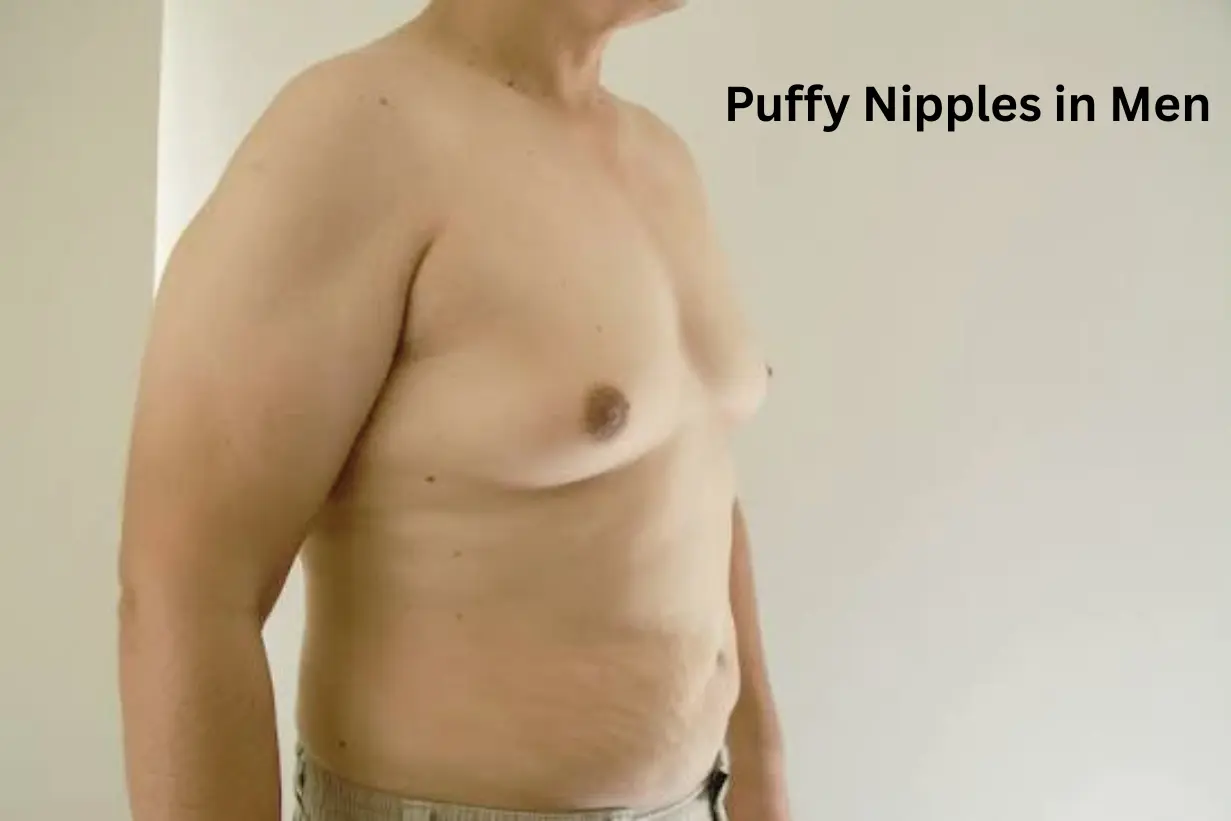
If you’ve caught your reflection in a mirror or a tight t-shirt and noticed your nipples pushing outward more than they used to, you’re not imagining things — and you’re definitely not alone. Puffy nipples are one of the most searched, most whispered-about, and most misunderstood body concerns men deal with. They show up at the gym, at the pool, during a shirtless summer, and often trigger a quiet spiral of “is this normal?” questions that most men never actually ask out loud.
This guide breaks down exactly what puffy nipples are, why they happen, how they’re different from general chest fat, what actually helps, and when it’s time to loop in a doctor. Along the way, we’ll clear up some of the confusing slang around this topic — including terms like “big man nips” and “pointy boobs” — so you can understand your body without the internet noise.
What Are Puffy Nipples, Exactly?
The medical term for puffy nipples is gynecomastia. Gynecomastia happens when an imbalance of the hormones estrogen and testosterone causes breast tissue swelling in boys or men. In plain language: when estrogen activity rises relative to testosterone, glandular breast tissue underneath the nipple and areola can grow, pushing the nipple outward and giving the chest a swollen, rounded, or “puffy” look.
Puffy nipples in men are usually a form of gynecomastia caused by excess gland tissue, and this isn’t a rare or fringe issue. According to the American Society of Plastic Surgeons, gynecomastia affects up to 65% of men in the United States. That statistic alone should offer some reassurance: a puffy nipple is one of the most common male body concerns there is, not a personal failing or a sign that something is “wrong” with you.
It’s worth separating two related but distinct ideas:
- Puffy nipple (singular gynecomastia symptom): the visible protrusion of the nipple-areola area caused by underlying glandular tissue.
- Pseudogynecomastia: puffy nipples caused purely by fat accumulation in the chest, with no true glandular growth underneath.
Both can look similar from across a room, but they behave very differently when it comes to treatment — which is exactly why the next section matters.
Puffy Nipple vs. Pointy Boobs vs. Big Man Nips: Same Thing, Different Words
Search the internet and you’ll find no shortage of casual, sometimes crude, terms for this condition — “big man nips,” “pointy boobs,” “man boobs,” “moobs,” and so on. All of these are informal ways of describing the same underlying phenomenon: enlarged, protruding nipple tissue on a male chest.
Whether someone calls it “pointy boobs” because the nipple projects further than the surrounding chest, or “big man nips” because the areola itself looks enlarged, the physiology is the same story: a shift in the estrogen-to-testosterone ratio, extra fat storage in the chest, or both working together.
Clinically, doctors distinguish the severity using a grading system. Puffy nipples typically fall into Grade I, where the enlargement is concentrated behind the areola with little to no excess skin — often described as “the tip of the iceberg” because there’s usually more glandular tissue hiding beneath the surface than the visible puffy nipples let on.
One clinical clue worth knowing: true glandular tissue feels firm and rubbery under and around the nipple, distinct from the softer feel of surrounding fat, and some men find their puffy nipples don’t improve with weight loss or chest training — in fact, building pectoral muscle can make puffy nipples more noticeable because the gland sits directly on top of the muscle.
Puffy Nipples From Chafing and Exercise
Not every case of puffy nipples is hormonal or fat-related. Specific forms of exercise and chafing may cause puffy nipples, especially in runners, cyclists, and anyone doing repetitive cardio in rough fabric. Friction from a shirt rubbing against the nipple during a long run can cause temporary swelling, irritation, and tenderness — sometimes nicknamed “runner’s nipple.” This kind of puffy nipple is usually short-lived, resolving within days once the irritation calms down, and it’s easily prevented with moisture-wicking fabric, nipple tape, or a protective balm before longer workouts. Unlike gynecomastia-driven puffy nipples, exercise-related puffy nipples aren’t hormonal and don’t require medical treatment — just a change in gear.
What Causes Puffy Nipples?
Understanding the “why” behind puffy nipples is the first step toward figuring out what — if anything — needs to change.
1. Hormonal Imbalance
A number of factors, such as hormone imbalances, specific forms of exercise, chafing, and excess body fat, may cause puffy nipples. At the core of most cases is a shift in the estrogen-testosterone ratio. Enlargement of the male breast is caused by gynecomastia in more than 80% of cases, and roughly 75% of those are due to a hormonal imbalance — an increase in estradiol concentration, lagging free testosterone production, and increased tissue sensitivity to normal male estrogen levels. Estradiol acts as a growth hormone for breast tissue, so excess estradiol in men leads to breast tissue proliferation.
2. Puberty
During puberty, boys experience significant hormone fluctuations — particularly in testosterone and estrogen — that can cause temporary changes in nipple appearance, and in many cases this resolves on its own as the body’s hormone levels stabilize, typically within a few months. Teen gynecomastia is extremely common and, for most boys, is a passing phase rather than a permanent condition.
3. Genetics
Genetics can play a pivotal role in the appearance of puffy nipples — men with a family history of the condition may be more prone to developing it, and genetic predisposition also influences how body fat is distributed, which further affects nipple appearance.
4. Excess Body Fat
Excess body fat, particularly around the chest, can significantly contribute to a puffy appearance, and maintaining a healthy weight through diet and exercise can help — though body fat distribution is also influenced by genetics. This is where the line between true gynecomastia and simple chest fat (pseudogynecomastia) gets blurry, and it’s a big reason so many men chase weight loss as their first fix.
5. Medications — Including Common Blood Pressure Drugs
This is a cause many men never consider. Gynecomastia may be a side effect of certain medications, including cimetidine for heartburn, digoxin for heart issues, finasteride for enlarged prostate or hair loss, ketoconazole for fungal infections, spironolactone for high blood pressure and heart failure, thiazide diuretics, phenothiazine antipsychotics, theophylline, methotrexate, and imatinib.
Spironolactone deserves special mention because it’s so widely prescribed for high blood pressure and fluid retention. Gynecomastia and/or breast pain was reported by 10% of men taking spironolactone at 25 mg per day in the RALES trial, and the effect is dose-dependent — with incidence reported as high as 52% at a 150 mg daily dose. This happens because spironolactone alters the testosterone-to-estrogen ratio in favor of estrogen — it blocks enzymes involved in testosterone production, blocks testosterone and DHT from binding their receptors, increases free estradiol, and increases the conversion of testosterone into estradiol.
If you’ve recently started a new blood pressure medication and noticed nipple or chest changes, this is worth flagging to your prescribing doctor rather than assuming it’s unrelated. If gynecomastia or other troubling hormonal side effects develop while on spironolactone, an alternative like eplerenone may be an appropriate substitute, since studies have shown its incidence of gynecomastia is similar to placebo. Never stop or swap a prescribed blood pressure medication without medical guidance — the goal here is awareness, not self-directed changes.
6. Substance Use
Recreational substances aren’t off the hook either. Substances including amphetamines, marijuana, and heroin may also cause gynecomastia.
7. Underlying Medical Conditions
Less commonly, puffy nipples can be a downstream sign of something more systemic. Gynecomastia can stem from deficient testosterone production or action, kidney failure, or increased estrogen production from testicular tumors, lung carcinoma or other hormone-producing tumors, adrenal disease, liver disease, malnutrition, or hyperthyroidism. This is precisely why persistent or sudden changes deserve a medical evaluation rather than guesswork.
Puffy Nipples vs. Chest Fat: How to Tell the Difference
Before investing time (or money) into a fix, it helps to know what you’re actually dealing with. Here’s a simple self-check, based on the clinical signs surgeons use:
- Feel for firmness. Firm, rubbery tissue directly under and around the nipple that feels distinct from the surrounding chest muscle points toward true glandular gynecomastia rather than plain fat.
- Check the projection. On a flat, firm male chest, the pectoral muscle should project further than the nipple; if the nipple projects further than the pec, that’s considered a clinical sign of gynecomastia.
- Watch the shape. Glandular tissue pushes the nipple and areola outward, creating a rounded or “pointy” look that’s often visible even through a shirt or compression gear.
- Test your response to weight loss. If your chest has stayed puffy despite consistent training and fat loss elsewhere, that’s a strong hint you’re dealing with glandular tissue rather than simple fat storage.
If you’re mostly dealing with soft, uniform fat rather than a firm lump behind the nipple, general fat-loss strategies are more likely to help. If there’s a distinct firm gland, lifestyle changes alone may only get you so far.
How to Get Rid of Puffy Nipples Naturally
For many men, especially those whose puffy nipples are fat-driven or mild, non-surgical changes make a real difference. Most of the time, dietary and lifestyle changes will be helpful, and if these adjustments don’t help, surgery might be required to reduce swelling and restore the nipples to their previous condition.
Here’s a practical, five-part framework — think of it as 5 tips of healthy lifestyle you can start today if you’re trying to figure out how to get rid of puffy nipples without jumping straight to surgery:
1. Clean up your diet. Increasing your consumption of fruits and vegetables, cutting out highly processed foods, and staying away from excess grains and soy products can support a lower-fat diet that helps reduce puffy nipples linked to excess fat and estrogen. Soy and heavily processed foods have long been associated (rightly or with some debate) with estrogenic activity, so many men trying to get rid of puffy nipples start here first.
2. Train consistently — but understand its limits. Cardiovascular exercise and full-body strength training help reduce overall body fat, which can shrink the fat component of puffy nipples. Just remember: if the underlying cause is glandular, chest-focused training alone won’t flatten true gynecomastia tissue, and heavy pec work can occasionally make the puffy nipples more visible rather than less.
3. Support a slow metabolism instead of fighting it. Some men with a naturally slow metabolism store fat more readily around the chest and abdomen. Rather than crash dieting, prioritize protein at each meal, strength train to preserve lean muscle, get consistent sleep, and manage stress — all of which support healthier hormone regulation and steadier fat loss over time.
4. Review your medications with your doctor. If you’ve started a new prescription — especially one for blood pressure, ulcers, or prostate health — and noticed chest changes soon after, mention it at your next appointment. As covered above, several common drug classes are known contributors.
5. Prioritize sleep, stress management, and overall better health. Chronic stress elevates cortisol, which can indirectly disrupt the testosterone-estrogen balance. Consistent sleep, movement, and stress management aren’t just wellness buzzwords — they’re foundational to better health and hormonal stability, and they support every other step on this list.
There is very limited research to suggest that supplements can boost testosterone levels, though a 2023 systematic review found that certain herbal supplements may have some positive effects — the authors note, however, that overall findings are limited and more research is needed. If you’re considering a supplement route, loop in a healthcare professional first rather than self-prescribing based on marketing claims.
When Lifestyle Changes Aren’t Enough: Medical and Surgical Options
If glandular tissue is the primary driver, natural approaches often plateau. Surgery may be required to treat gynecomastia if dietary and exercise-related changes don’t help. Common surgical approaches include:
- Liposuction: This procedure removes body fat using a small tube called a cannula connected to a high-pressure vacuum — most effective for the fatty component of chest puffiness.
- Glandular excision: Direct surgical removal of firm glandular tissue behind the areola, often used for higher-grade cases where liposuction alone won’t resolve the firm, rubbery lump.
- Combination procedures: Many surgeons combine liposuction with excision to address both the fat and glandular components in one procedure, particularly for Grade I and Grade II cases.
A qualified plastic surgeon or endocrinologist can help determine your grade and the most appropriate treatment path. Diagnosis and treatment typically start with an evaluation of hormone levels and, when needed, imaging to rule out other causes before deciding on the right approach.
The Mental Health Side of Puffy Nipples
It’s easy to treat this topic as purely physical, but the emotional weight is just as real. In today’s society, the way we perceive our bodies significantly impacts self-esteem and confidence, and many men experience body image issues related to their chests, particularly concerning puffy nipples and gynecomastia — a condition that can lead to psychological distress or embarrassment in situations that require going shirtless.
This is where mental health awareness matters as much as any physical fix. Avoiding the pool, skipping the beach trip, wearing looser shirts to hide your chest, or feeling anxious in intimate situations are all common responses — and they’re valid. Some people simply need support and counseling since puffy nipples are frequently a cosmetic problem rather than a dangerous one, and there’s no shame in talking to a therapist or counselor if body image concerns are affecting your confidence, relationships, or daily life. Addressing the emotional side isn’t a detour from treating puffy nipples — for many men, it’s a core part of actually feeling better, regardless of which physical option they choose.
When to See a Doctor
Most puffy nipple cases are benign and manageable, but a few warning signs warrant prompt medical attention. A person should contact a doctor if they notice any changes to their nipples and the surrounding skin, since some causes of breast swelling and gynecomastia can be serious, and early detection of such conditions can lead to better treatment outcomes.
Specifically, reach out to a healthcare provider if you notice:
- Sudden or one-sided (asymmetric) swelling
- A hard, fixed, or irregularly shaped lump
- Nipple discharge, especially if bloody
- Skin dimpling, puckering, or ulceration around the nipple
- Persistent pain or tenderness that doesn’t resolve
- Puffiness that appears rapidly rather than gradually
In very rare cases, nipple changes might indicate Paget’s disease of the nipple, and although gynecomastia is common and usually benign, it can occasionally signal an underlying medical condition that’s worth ruling out. A doctor can run basic bloodwork to check hormone levels, review your medication list, and — if needed — order imaging to get a clear answer rather than leaving you guessing.
Frequently Asked Questions About Puffy Nipples
Is having a puffy nipple normal? Yes. Puffy nipples are extremely common in men of all ages, from teenagers going through puberty to older men experiencing natural hormone shifts. In most cases it’s a cosmetic issue rather than a medical emergency.
Can I get rid of puffy nipples without surgery? Often, yes — especially when fat is the main driver. Diet changes, consistent exercise, weight management, and addressing any contributing medications can meaningfully reduce puffy nipples. When firm glandular tissue is the cause, however, surgery is usually the more reliable long-term fix.
Do puffy nipples mean I have “man boobs”? “Big man nips,” “man boobs,” and “pointy boobs” are all informal names for the same spectrum of chest puffiness — ranging from mild nipple projection to more pronounced gynecomastia. The right term clinically is gynecomastia (true glandular growth) or pseudogynecomastia (fat-driven puffiness).
Can blood pressure medication cause puffy nipples? Yes. Certain blood pressure medications, most notably spironolactone, are well-documented causes of gynecomastia, with risk increasing at higher doses. If you notice new chest changes after starting a blood pressure prescription, mention it to your doctor rather than stopping the medication on your own.
Will losing weight fix puffy nipples? It depends on the cause. Weight loss can shrink the fat component of chest puffiness, but if there’s firm glandular tissue behind the nipple, weight loss alone typically won’t resolve it — that tissue usually needs targeted treatment or surgical removal.
Is it just a phase during puberty? Often, yes. Teen gynecomastia is common and frequently resolves on its own within months to a couple of years as hormone levels stabilize. Persistent puffy nipples into adulthood are more likely to need active management.
Are puffy nipples the same as “runner’s nipple”? Not exactly. Puffy nipples from chafing are a friction-related irritation, usually temporary and unrelated to hormones, while puffy nipples from gynecomastia involve actual glandular tissue growth. Both can look similar on the surface, but they have completely different causes and fixes.
Can diet alone get rid of puffy nipples? Diet can help, particularly when excess fat is contributing to your puffy nipples. Cutting processed foods, added sugar, and excess soy, while eating more whole foods, supports fat loss and hormonal balance — but if firm glandular tissue is present, diet changes alone usually won’t fully flatten puffy nipples.
Do puffy nipples get worse with age? They can. Hormone shifts, weight changes, and certain medications become more common as men age, all of which can contribute to new or worsening puffy nipples later in life. This is another reason routine checkups matter as you get older.
The Bottom Line
Puffy nipples — whatever you want to call them, whether “big man nips,” “pointy boobs,” or the clinical term gynecomastia — are one of the most common and most fixable male body concerns out there. The cause ranges from puberty and genetics to excess fat, certain medications like blood pressure drugs, and occasionally an underlying hormonal condition. For many men, better health habits — a cleaner diet, consistent training, quality sleep, and stress management — meaningfully reduce puffy nipples over time. For others, particularly where firm glandular tissue is involved, a conversation with a doctor or surgeon is the more direct path to a flatter, firmer chest.
Whatever route fits your situation, the most important step is simply understanding what’s actually happening in your body — and knowing that this is a common, manageable, and very human thing to deal with.
This article is for informational purposes only and is not a substitute for professional medical advice, diagnosis, or treatment. Always consult a qualified healthcare provider regarding any chest, hormone, or medication-related concerns.
Sources referenced:
- Mayo Clinic — Enlarged breasts in men (gynecomastia): Symptoms and causes
- Mayo Clinic — Enlarged breasts in men (gynecomastia): Diagnosis and treatment
- National Institutes of Health / PMC — Gynecomastia and Antihypertensive Therapy
- Medical News Today — Puffy male nipples: Causes, home remedies, treatment
- Cleveland Clinic — Gynecomastia: What It Is, Causes, Diagnosis & Treatment

Natural home remedies, skincare secrets, dental & eye health tips, and real product reviews to help you stay healthy the natural way.