

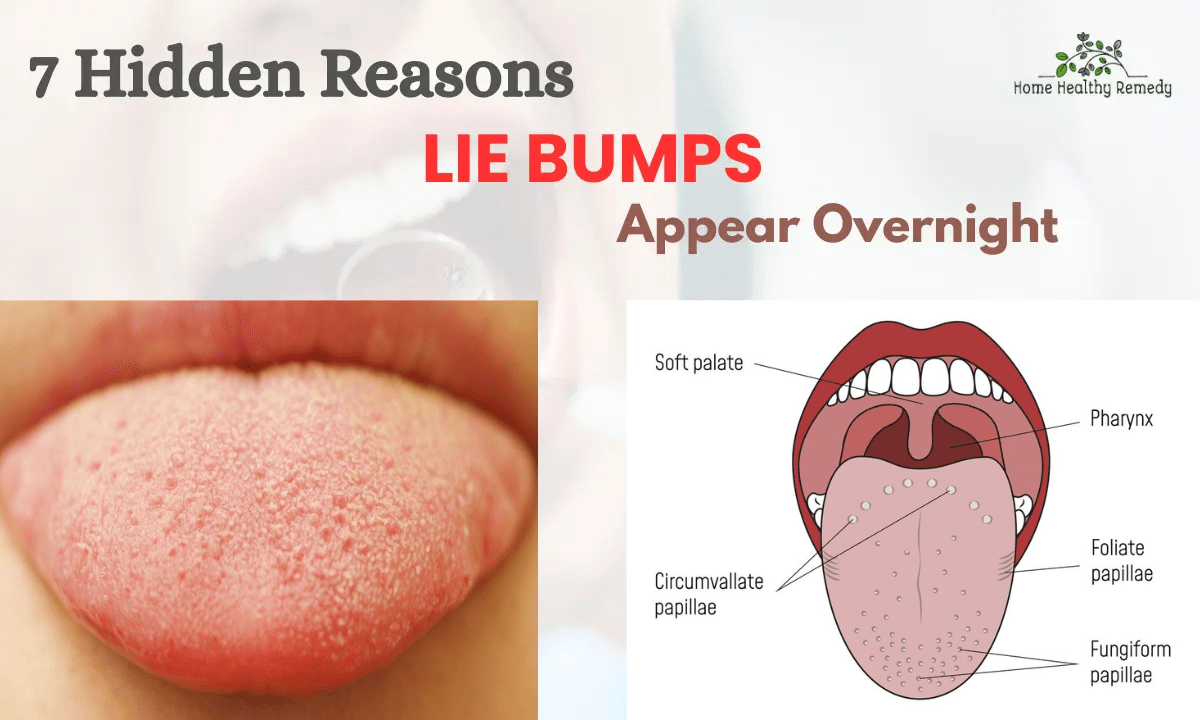
If you woke up this morning and felt a sharp, stinging bump on the tip or side of your tongue that definitely wasn’t there last night, you’re probably dealing with lie bumps. These small, red or white, inflamed bumps can seem to pop up out of nowhere, and the sudden, overnight nature of it is exactly what makes them so alarming.
The medical name for lie bumps is transient lingual papillitis, a temporary inflammation of the tiny finger-like projections on your tongue called papillae. This condition is common, harmless in most cases, and usually clears up within a few days.
But why do lie bumps appear so suddenly, almost always overnight? In this guide, we’ll walk through the seven hidden reasons your tongue is reacting this way, how they compare to other tongue conditions, and what you can do to speed up healing.
What Exactly Are Lie Bumps?
Lie bumps are small, temporary swellings on the papillae of your tongue, the tiny bumps responsible for taste and texture sensation. They can appear as single spots or in small clusters, and they often turn white, red, or yellowish with a slightly raised center.
Despite the folk name, this condition has nothing to do with lying. The nickname comes from an old myth suggesting the bumps appear when someone tells a lie. In reality, they’re a reaction of the tongue’s surface tissue to irritation, inflammation, or stress. This condition is medically benign and typically resolves on its own within one to two days.
What makes these bumps so noticeable is their suddenness. One night your tongue feels normal, and the next morning it’s swollen, tender, and sensitive to hot or spicy foods. Let’s break down exactly why that overnight change happens.
7 Hidden Reasons Lie Bumps Appear Overnight
1. Nighttime Acid Reflux Irritation
While you sleep, stomach acid can quietly creep up into your throat and mouth, especially if you ate a heavy or acidic meal before bed. This silent reflux irritates the papillae on your tongue, and because you’re lying flat for hours, the acid has more contact time with your tongue’s surface. You wake up with the bumps before you’ve even had breakfast.
2. Eating Very Hot or Spicy Food Late at Night
A late-night snack of spicy noodles or piping-hot soup can burn or irritate the papillae almost instantly. The damage doesn’t always show up right away; inflammation often peaks a few hours later, which is why the bumps seem to “appear overnight” even though the trigger happened at dinner.
3. Stress and Anxiety Spikes
Stress affects the entire body, including your immune response and saliva production. High stress levels overnight, from anxiety dreams or an overactive mind, can trigger localized inflammation in the mouth. Many people who deal with this recurring issue notice a direct link between a stressful day and bumps the next morning.
4. Accidental Tongue Trauma While Sleeping
Grinding your teeth (bruxism) or biting your tongue during sleep is more common than most people realize. This micro-trauma inflames the papillae in the exact spot of impact, and because you’re unconscious when it happens, the bump feels like it came from nowhere.
5. Allergic Reactions to Food or Oral Products
A new toothpaste, mouthwash, or food ingredient consumed at dinner can trigger a mild allergic or sensitivity reaction. Since these reactions often take a few hours to fully develop, the swelling and irritation become obvious only after a night’s sleep.
6. Hormonal Fluctuations
Hormonal shifts, particularly around menstruation, pregnancy, or thyroid changes, can make oral tissue more reactive to irritation. Overnight is when hormone levels naturally fluctuate the most, which can explain why the bumps often show up right when you wake.
7. Dehydration and Dry Mouth Overnight
Sleeping with your mouth open, using a fan, or simply not drinking enough water during the day leaves your mouth dry overnight. Saliva plays a protective role for your tongue’s papillae; without enough of it, the tissue becomes more vulnerable to irritation, bacteria, and inflammation by morning.
Understanding these seven triggers is the first step toward preventing them altogether. Identifying and avoiding your personal trigger is often more effective than any single treatment.
Lie Bumps vs. Other Tongue Conditions: A Quick Comparison
This condition is frequently confused with other oral conditions. Here’s how they stack up:
| Condition | Appearance | Pain Level | Typical Duration | Contagious? |
|---|---|---|---|---|
| Lie Bumps | Small red/white raised bumps on papillae | Mild to moderate stinging | 1–3 days | No |
| Canker Sores | Round, white/yellow ulcers with red border | Moderate to severe | 7–14 days | No |
| Oral Thrush | White, creamy patches across tongue/mouth | Mild burning | Until treated with antifungal | No |
| Cold Sores | Fluid-filled blisters, usually near lips | Moderate to severe | 7–10 days | Yes (HSV virus) |
| Geographic Tongue | Irregular, map-like smooth patches | Usually painless | Comes and goes over months/years | No |
The biggest giveaway here is speed: this condition appears overnight and disappears within a couple of days, unlike canker sores or cold sores, which build up gradually and last much longer.
How to Treat Lie Bumps at Home
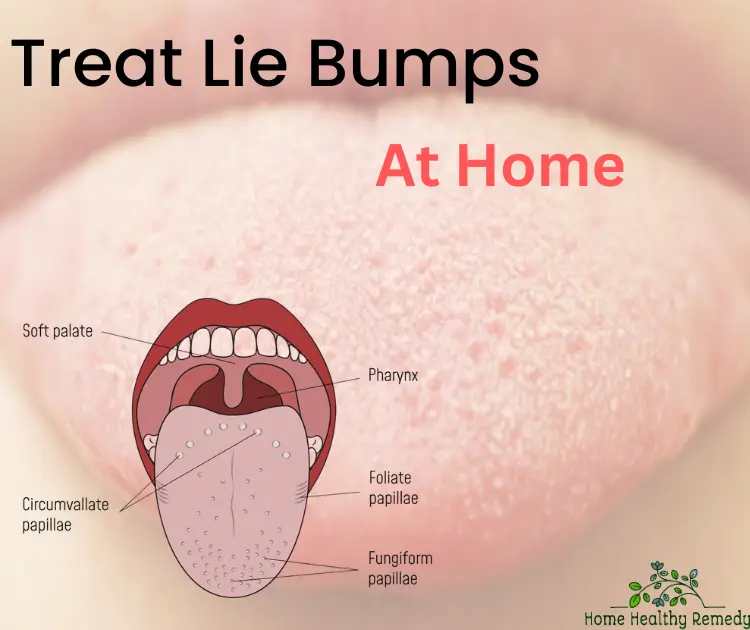
The good news is that they almost always heal on their own. Still, these steps can speed up recovery and ease discomfort:
- Rinse with warm salt water two to three times a day to reduce inflammation.
- Avoid spicy, acidic, or very hot foods until the bumps subside.
- Stay hydrated to keep saliva flow normal and support natural healing.
- Apply a cold compress or suck on ice chips to numb discomfort.
- Use a soft-bristled toothbrush to avoid further irritating the tongue.
- Manage stress through breathing exercises or a short walk, since stress is one of the most common hidden triggers.
If dry mouth overnight is a recurring issue for you, running a humidifier while you sleep can help protect your tongue’s surface tissue; our guide on using a humidifier for nosebleeds and dry airways covers how added moisture in the air supports overall mucous membrane health, which includes the tissue in your mouth.
For a deeper breakdown of home remedies specifically for this condition, additional oral-care tips are worth trying alongside the steps above.
When to See a Doctor
Most cases clear up within one to three days without any medical treatment. However, you should consult a doctor or dentist if:
- The bumps last longer than a week
- You experience severe pain that interferes with eating or speaking
- The bumps keep recurring frequently
- You notice fever, swollen lymph nodes, or difficulty swallowing alongside the bumps
Persistent or unusually painful bumps could point to an underlying issue, such as a vitamin deficiency, chronic acid reflux, or an oral infection, that’s worth having checked out.
FAQ: Everything You Want to Know About Lie Bumps
Q1: Why do lie bumps appear overnight instead of gradually?
These bumps often result from irritation that occurred hours earlier, such as a spicy dinner, reflux, or tongue trauma during sleep. Inflammation takes time to build, so the bump becomes visible only after you wake up.
Q2: Are lie bumps a sign of a serious health problem?
No. This condition is typically a harmless, short-term inflammation of the tongue’s papillae. They are not linked to any serious disease in the vast majority of cases.
Q3: Can stress really cause lie bumps overnight?
Yes. Elevated stress hormones can trigger localized inflammation in oral tissue, and since your body processes stress heavily during sleep, bumps often appear by morning.
Q4: How long do lie bumps usually last?
Most cases disappear within one to three days. If they persist beyond a week, it’s worth checking in with a healthcare provider.
Q5: Is transient lingual papillitis the same as lie bumps?
Yes, transient lingual papillitis is the clinical name for the same tongue condition.
Q6: Can what I eat before bed cause lie bumps?
Absolutely. Hot, spicy, acidic, or allergenic foods eaten close to bedtime are among the most common overnight triggers.
Q7: Do lie bumps spread to other parts of the mouth?
No, they stay localized to the papillae on the tongue and don’t spread like a contagious infection would.
Final Thoughts
These bumps might feel alarming when they show up out of nowhere, but as we’ve seen, there’s usually a hidden, everyday trigger behind that overnight appearance, whether it’s a spicy meal, nighttime reflux, stress, or simple dehydration. Paying attention to your evening habits is often the easiest way to prevent them from coming back.
Most cases resolve on their own within a few days with basic home care like salt water rinses and hydration. If your symptoms are frequent, severe, or long-lasting, don’t hesitate to check in with a dentist or doctor.
For more natural remedies and health guides, explore more from us at Home Healthy Remedy.
You Might Also Like
- Why Does My Ear Hurt When I Have a Sore Throat?
- Pain in the Back When Breathing: Causes & Relief
- Food Poisoning vs. Stomach Flu: Symptoms & Remedies
- Best Humidifier for Nosebleeds
Sources:
- Wikipedia — Transient Lingual Papillitis
- Cleveland Clinic — Transient Lingual Papillitis
- Dr. Amarnathan’s Dental Care — Lie Bumps: Causes and Treatment
- Oral-B — Transient Lingual Papillitis

Home Healthy Remedy — trusted natural remedies, honest product reviews, and simple wellness tips for skin, eyes, teeth, and overall health.